Kimi Antonelli’s hopes of challenging for victory at the 2026 Hungarian Grand Prix have suffered a significant setback after the FIA handed the Mercedes driver a three-place grid penalty following qualifying.
The Italian had originally secured fourth place on the starting grid, putting himself in a strong position for Sunday’s race. However, an investigation into his driving under yellow flags resulted in the stewards finding him guilty of failing to slow sufficiently.
The decision comes on a weekend when championship rival Lewis Hamilton has also been hit with a three-place grid penalty, creating an unusual situation in which two of the leading Mercedes-related title contenders will both start lower than their qualifying performances initially suggested.
ANTONELLI’S QUALIFYING PENALTY EXPLAINED
Antonelli was investigated after failing to sufficiently reduce his speed when yellow flags were displayed during qualifying.
According to the FIA stewards, Antonelli did lift off the throttle after seeing the yellow flag and light panel. Telemetry confirmed that he began reducing his speed earlier than he had done on his previous push lap.
However, the stewards concluded that the reduction was neither significant nor sustained enough to satisfy the requirements of the yellow-flag regulations.
The FIA’s analysis showed that Antonelli was initially 14 km/h slower when entering the affected sector, but his speed increased relative to his previous lap as he approached the incident area. By the time he passed the scene, he was actually 3 km/h faster than on his previous push lap.
That ultimately became the key factor in the stewards’ decision.
The FIA stated that the recommended penalty for the offense was a five-place grid drop. However, the stewards reduced that punishment to three positions after taking into account Antonelli’s limited time and distance to react and the fact that he did make some attempt to slow down.
As a result, Antonelli will drop three places from his original fourth-place qualifying position.
LEWIS HAMILTON ALSO PENALISED
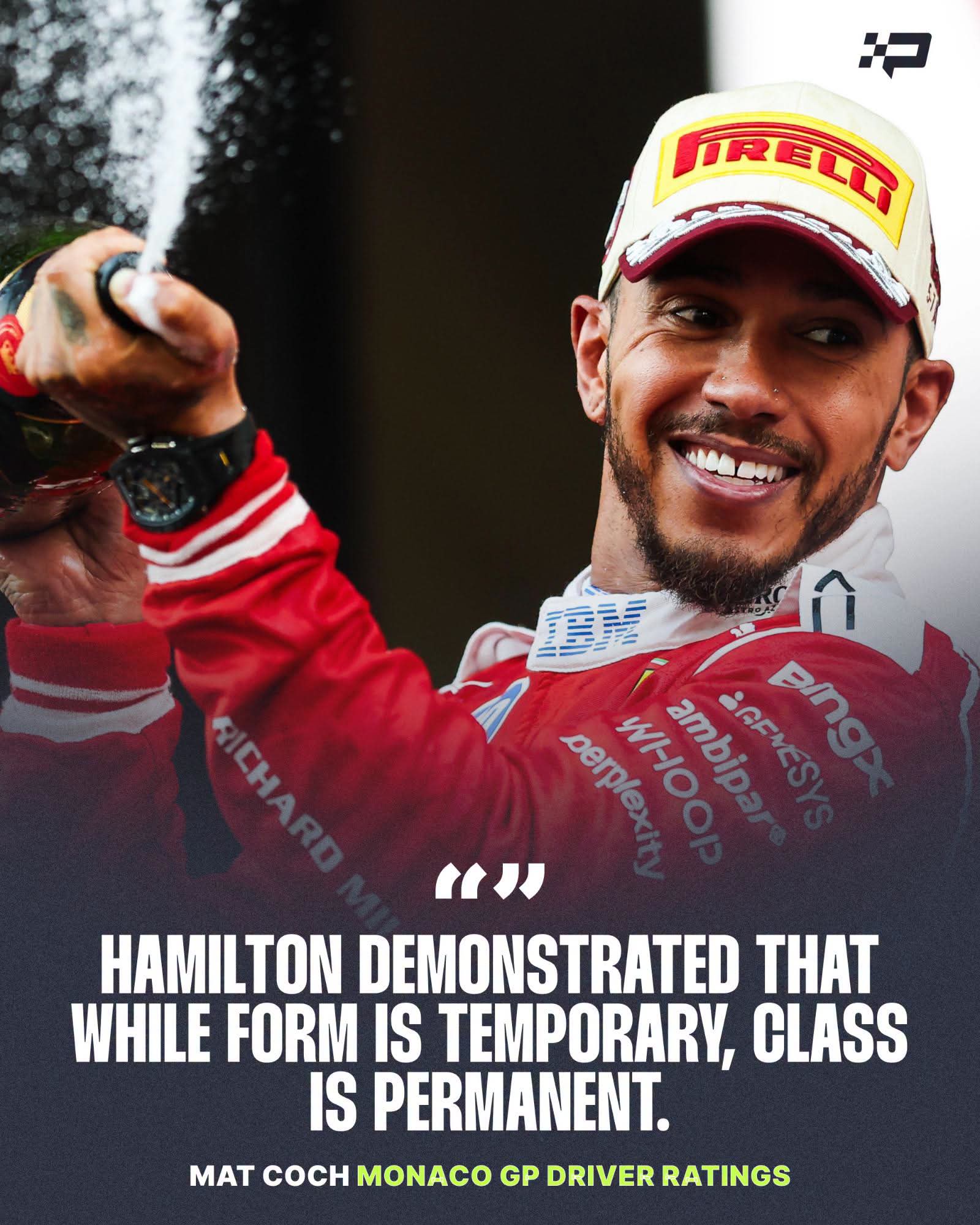
Antonelli’s penalty is particularly significant because Lewis Hamilton has also been handed a three-place grid penalty before the Hungarian Grand Prix.
Hamilton qualified second behind reigning world champion Lando Norris but was investigated for impeding Oscar Piastri during the session.
The incident occurred as Piastri was beginning a push lap, with Hamilton’s position on track affecting the McLaren driver’s attempt.
Hamilton defended himself after qualifying, explaining that he had not been aware Piastri was approaching at the time and believed most of the cars behind him had already completed their laps.
Despite Hamilton’s explanation, the stewards ultimately ruled against him and issued the three-place grid penalty.
That means the Ferrari driver will now start further down the order than his impressive qualifying performance initially indicated.
For Hamilton, the timing could hardly be worse. The Hungarian Grand Prix has historically been one of the most important races on his calendar, and a strong qualifying result had appeared to give him an opportunity to fight at the front.
Instead, he now faces a difficult recovery drive.
WHY ANTONELLI’S PENALTY MATTERS FOR MERCEDES
Mercedes will have every reason to be frustrated by the outcome.
Antonelli had done the hard work in qualifying by putting the W17 fourth on the grid. Losing three positions means the team has now sacrificed some of the track position that could have been crucial at the Hungaroring.
The circuit is notoriously difficult for overtaking compared with many other venues on the Formula 1 calendar. That makes qualifying position particularly valuable.
At a track where following another car closely can be difficult and passing opportunities are limited, Antonelli’s penalty could have a greater impact than a three-place drop at a circuit such as Spa-Francorchamps.
Mercedes will therefore need to rely heavily on strategy.
A strong launch could immediately recover some of the lost positions, while an aggressive undercut or an early pit stop could give Antonelli the opportunity to move back toward the front.
However, Mercedes must also be careful not to compromise tire life in an attempt to recover positions too quickly.
HUNGARORING COULD TURN INTO A STRATEGIC BATTLE
The Hungarian Grand Prix has often been compared to a giant chess match because track position and tire strategy can be just as important as outright speed.
That makes the penalties handed to Hamilton and Antonelli even more significant.
Drivers starting behind faster cars may struggle to make progress unless they can create a strategic advantage. Teams could therefore be tempted to pit earlier than their rivals, hoping to use fresh tires and clean air to gain track position.
The risk, however, is that an early stop can leave a driver vulnerable during the closing stages of the race.
Mercedes will have to decide whether to prioritize a conventional strategy or gamble on an alternative approach.
For Antonelli, the ideal scenario may be to attack immediately at the start before the field settles into a rhythm. If he can gain one or two positions during the opening laps, he could potentially limit the damage caused by the penalty.
LANDO NORRIS NOW HAS AN EVEN BIGGER OPPORTUNITY
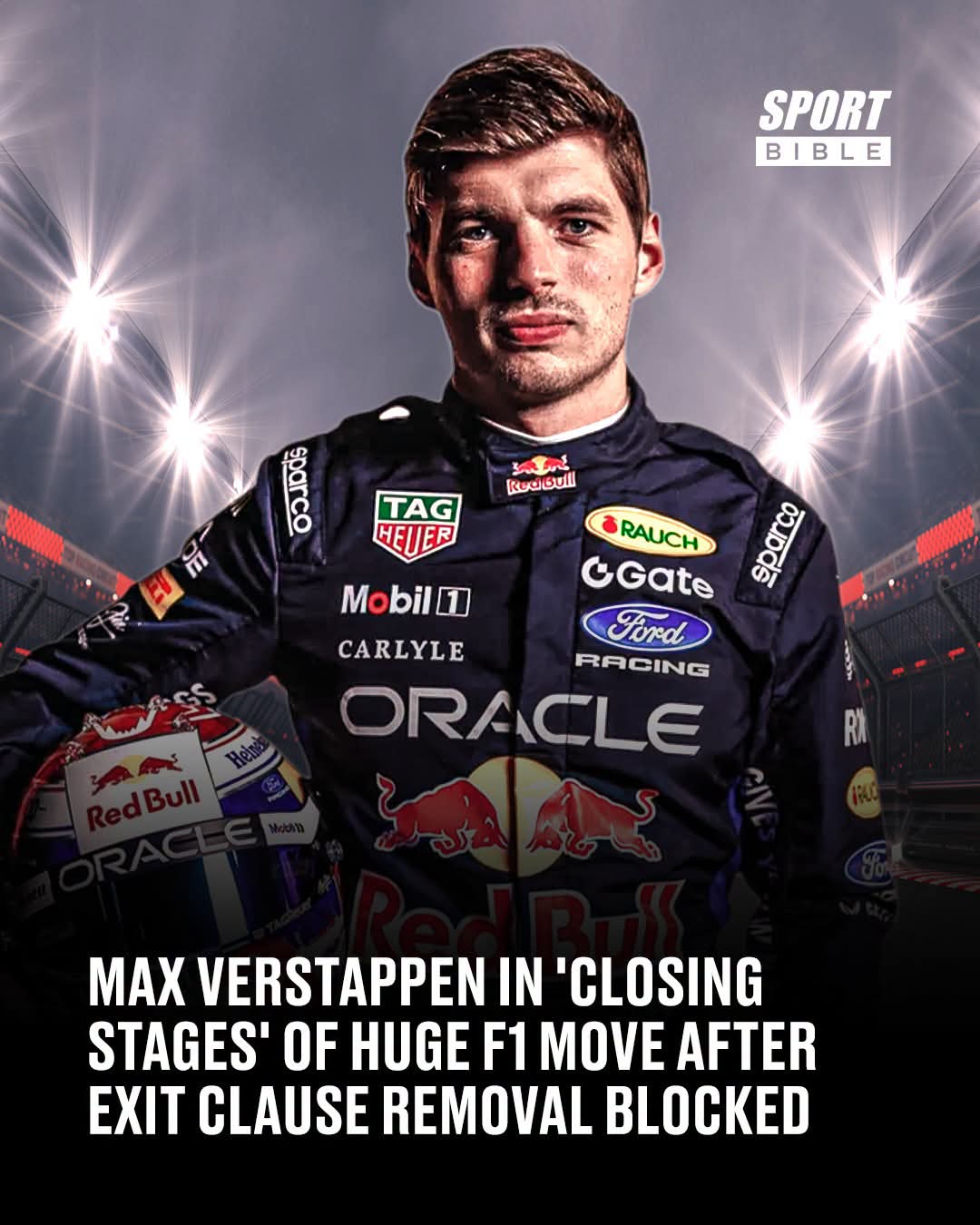
The biggest beneficiary of the penalties could be Lando Norris.
Norris took pole position and was already in the strongest possible position heading into the race. With Hamilton and Antonelli both being pushed down the order, the McLaren driver now has an even clearer opportunity to control the opening phase of the Grand Prix.
A clean getaway would allow Norris to dictate the pace from the front while his closest rivals fight their way through traffic.
That could be especially valuable in a championship where every point matters.
Norris will still have to manage tire degradation and execute a flawless strategy, but the penalties have potentially removed two major threats from their original starting positions.
The pressure now shifts to McLaren.
If Norris converts pole into victory, the championship implications could be substantial. If he struggles with tire management or loses the lead at the start, however, the advantage created by the grid penalties could disappear quickly.
HAMILTON’S HUNGARIAN GP CHALLENGE JUST BECAME MUCH HARDER
Hamilton’s penalty may carry an even greater emotional sting.
Starting second would have placed him directly alongside Norris and given him an opportunity to challenge for the lead immediately. Instead, he will now have to work through the field.
The seven-time world champion has the experience to manage such a situation, but the Hungaroring does not always reward aggressive recovery drives.
Hamilton’s race could ultimately depend on how quickly he clears the cars ahead.
If he becomes trapped behind a slower competitor, he could lose valuable time while Norris and the other front-runners establish a gap.
Ferrari may therefore need to think creatively with strategy.
An early pit stop could be one option, particularly if Hamilton finds himself stuck in traffic. Another possibility is to extend his first stint and hope for a late-race tire advantage.
Either way, Hamilton’s race has become much more complicated before the lights have even gone out.
ANTONELLI’S PENALTY ALSO HIGHLIGHTS HIS RAPID DEVELOPMENT
While the penalty is undoubtedly disappointing for Antonelli, it also reflects the intense scrutiny that comes with competing at the highest level of Formula 1.
The young Mercedes driver has quickly established himself as one of the sport’s most important emerging talents, but his rise is taking place under enormous pressure.
Every qualifying session, every mistake and every penalty is magnified because of the expectations surrounding his future.
The yellow-flag incident is also a reminder that modern Formula 1 drivers operate within an incredibly precise regulatory environment.
A driver can lift off the throttle and still be penalised if the FIA determines that the reduction in speed was insufficient.
For Antonelli, the important thing will be how he responds.
A strong recovery drive could quickly turn the weekend around and demonstrate the racecraft and composure that Mercedes will need from him in future championship battles.
THE CHAMPIONSHIP PICTURE COULD SHIFT IN HUNGARY
The penalties handed to Hamilton and Antonelli could have consequences beyond a single race.
When championship rivals lose grid positions, the points available to them can be affected significantly, particularly if the penalties allow a direct title competitor to gain an advantage.
Norris is already in a position to capitalize.
Starting from pole, he has the opportunity to maximize his points haul while Hamilton and Antonelli fight through the field.
The race could therefore become a test of more than pure pace. It will reveal which drivers can manage pressure, traffic and strategy most effectively.
A victory for Norris could strengthen his championship position, while a poor result for either Hamilton or Antonelli could prove costly later in the season.
Of course, Formula 1 races rarely follow the script.
A safety car, a poorly timed pit stop or changing weather conditions could completely reset the order.
OUR PREDICTION FOR THE HUNGARIAN GRAND PRIX
The penalties make Norris the obvious favorite to control the opening stages, but it would be a mistake to assume the race is already decided.
The Hungaroring’s tight layout means strategy could play a decisive role, and Mercedes still has two drivers capable of recovering positions.
Hamilton’s experience could become particularly valuable if the race develops into a strategic battle. Antonelli, meanwhile, has the opportunity to turn his penalty into motivation and attack from the moment the lights go out.
Our prediction is that Norris will have the best chance of winning if he makes a clean start and avoids strategic complications. Hamilton should be capable of recovering several positions, while Antonelli’s pace could allow him to fight his way back toward the front if Mercedes executes the right strategy.
The bigger question is whether either driver can recover enough ground to challenge for the podium.
FINAL VERDICT
Kimi Antonelli’s three-place grid penalty adds another layer of intrigue to an already dramatic Hungarian Grand Prix weekend.
The FIA’s decision was based on its conclusion that Antonelli’s speed reduction under yellow flags was insufficient and unsustained, although mitigating circumstances prevented the recommended five-place penalty from being applied.
Combined with Lewis Hamilton’s separate three-place penalty for impeding Oscar Piastri, the outcome has dramatically reshaped the starting order.
Lando Norris now has a golden opportunity to turn pole position into a major championship advantage, while Hamilton and Antonelli face the difficult task of recovering lost ground at a circuit where overtaking is notoriously challenging.
For Mercedes, the Hungarian Grand Prix has suddenly become a test of strategy and race management. For Antonelli, it is a chance to prove that one qualifying penalty does not have to define his weekend.
And for the championship, the consequences could be much bigger than three grid places.