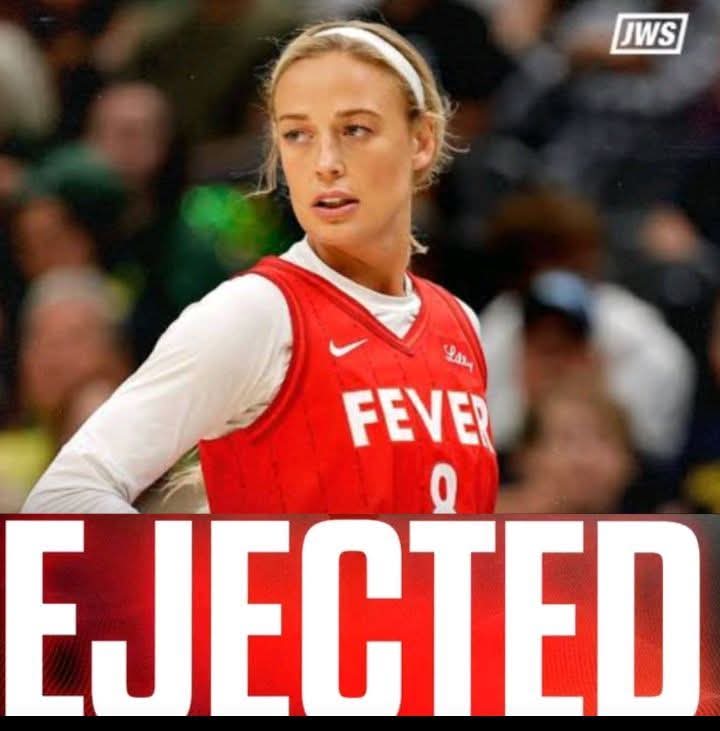
The Indiana Fever’s highly anticipated clash with the Las Vegas Aces took an explosive turn when Sophie Cunningham was ejected during the third quarter following a heated confrontation with Chennedy Carter. What began as an intense battle between two playoff-caliber teams quickly transformed into one of the season’s most talked-about moments, sparking fresh debate about physical play, officiating, and player protection across the WNBA.
With the Fever continuing to establish themselves as championship contenders behind Caitlin Clark and a talented supporting cast, every nationally televised matchup carries enormous attention. Sunday’s contest delivered exactly the kind of drama fans expected, but it also raised important questions about how emotions, rivalries, and physicality are shaping the league’s identity.
A COMPETITIVE GAME ERUPTS INTO CONTROVERSY
The incident unfolded midway through the third quarter during a loose-ball sequence, where Cunningham and Carter became tangled while fighting for possession. As tempers flared, the exchange escalated into a physical confrontation that immediately drew players from both teams toward the scene.
Officials quickly halted play and initiated a video review. After examining the altercation, Cunningham was assessed a flagrant foul along with her second technical foul, resulting in an automatic ejection. Carter also received a technical foul but remained available to continue playing after the review.
The decision dramatically altered the flow of the game, with the Fever suddenly losing one of their most energetic defenders and emotional leaders during a crucial stretch.
WHY SOPHIE CUNNINGHAM PLAYS SUCH AN IMPORTANT ROLE
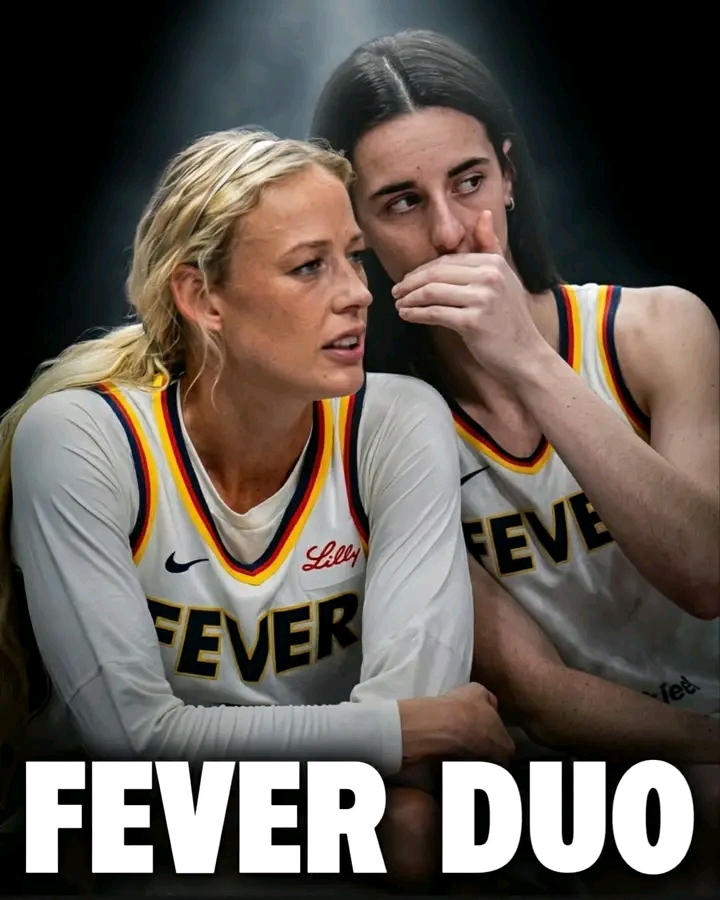
Although Caitlin Clark remains the face of Indiana’s franchise, Cunningham has become one of the team’s emotional engines.
Her willingness to defend teammates, embrace physical basketball, and inject energy into difficult moments has made her one of the Fever’s most valuable veterans. Throughout the season, she has earned a reputation for refusing to back down against aggressive opponents.
That competitive approach has also made Cunningham a polarizing figure around the league. Supporters admire her toughness and leadership, while critics argue that her aggressive style occasionally crosses the line.
Sunday’s ejection is unlikely to change that perception.
THE FEVER IMMEDIATELY FELT HER ABSENCE
Indiana entered the contest looking to secure another statement victory against one of the WNBA’s elite teams.
Before her ejection, Cunningham had contributed on both ends of the floor through defensive intensity, hustle plays, and timely offense. Once she exited, the Fever were forced to reshuffle their rotation while attempting to maintain momentum against an experienced Aces roster.
The emotional impact was also evident. Cameras caught Clark and several teammates expressing frustration following the ruling, while the coaching staff focused on helping the team regain composure rather than allowing the incident to derail their performance.
Las Vegas capitalized on the disruption, using its depth and experience to seize control during the closing stages.
PHYSICAL PLAY CONTINUES TO DEFINE THE WNBA SEASON
This latest confrontation did not occur in isolation.
Throughout the 2026 season, discussions surrounding player safety and physical defense have become increasingly common. High-profile stars—including Clark—have frequently found themselves on the receiving end of hard fouls, leading to ongoing debates over whether officials should intervene more aggressively before emotions spill over.
Cunningham herself has repeatedly advocated for stronger officiating standards when it comes to protecting star players from excessive contact.
Ironically, the latest controversy now places her at the center of another disciplinary review.
The league will almost certainly evaluate the incident further to determine whether additional penalties or fines are warranted under WNBA conduct guidelines.
WHAT THIS MEANS FOR INDIANA MOVING FORWARD
The Fever’s long-term goals extend well beyond one emotional regular-season game.
Indiana has established itself as a legitimate championship contender thanks to the continued development of Clark, Aliyah Boston, Kelsey Mitchell, and a supporting cast that embraces defensive intensity and team chemistry.
However, maintaining that identity requires discipline.
Competitive fire remains one of the franchise’s greatest strengths, but avoiding unnecessary ejections and technical fouls will become increasingly important as playoff races tighten and every possession carries greater significance.
Coach Stephanie White will likely emphasize emotional control without asking her players to abandon the toughness that has helped define the team’s culture.
THE RIVALRY MAY ONLY BE GETTING STARTED
If recent meetings are any indication, future Fever-Aces matchups are likely to attract even greater national attention.
The combination of star power, championship ambitions, and increasingly personal battles between players creates exactly the type of rivalry that elevates the league’s profile. Fans have already flooded social media with divided opinions, with some praising Cunningham’s willingness to stand her ground while others believe officials should have established control much earlier.
Either way, the confrontation has ensured that the next meeting between these teams will carry added intrigue.
FINAL THOUGHTS
Sophie Cunningham’s ejection became the defining storyline of an already intense Fever-Aces showdown, but the larger takeaway extends beyond one heated exchange.
The WNBA continues to grow in popularity, bringing increased scrutiny to officiating decisions, player safety, and the balance between physical competition and sportsmanship. Indiana will now look to regroup as it continues its push toward the postseason, while Las Vegas will seek to build momentum from another emotionally charged victory.
As rivalries continue to intensify across the league, moments like this may become increasingly common—but how teams respond afterward could ultimately determine who is still standing when the championship race reaches its climax.
Sophie Cunningham.is a great player for the Fever.and she not been Ejected from the game
But what needs to happen is the Coaching
Staff gone