Charles Leclerc should have been celebrating one of the defining victories of his 2026 Formula 1 season. Instead, the conversation following the British Grand Prix quickly shifted away from Ferrari’s impressive performance and toward another controversy involving Formula 1’s Safety Car procedures.
Silverstone produced an exciting race packed with strategic battles, mechanical drama, and championship twists, but the closing laps left drivers, commentators, and fans frustrated after the event ended behind the Safety Car. What could have been a thrilling final-lap sprint instead concluded with the field circulating at reduced speed, reigniting one of Formula 1’s most divisive debates.
LECLERC DELIVERS FERRARI AN IMPORTANT VICTORY
Despite the controversy surrounding the finish, Leclerc produced a composed and confident drive that rewarded Ferrari with its first victory of the 2026 season.
The Monegasque driver managed tyre wear effectively, executed Ferrari’s strategy flawlessly, and controlled the race whenever the opportunity presented itself. His victory marked another reminder that when Ferrari provides a competitive car, Leclerc remains one of Formula 1’s most complete race drivers.
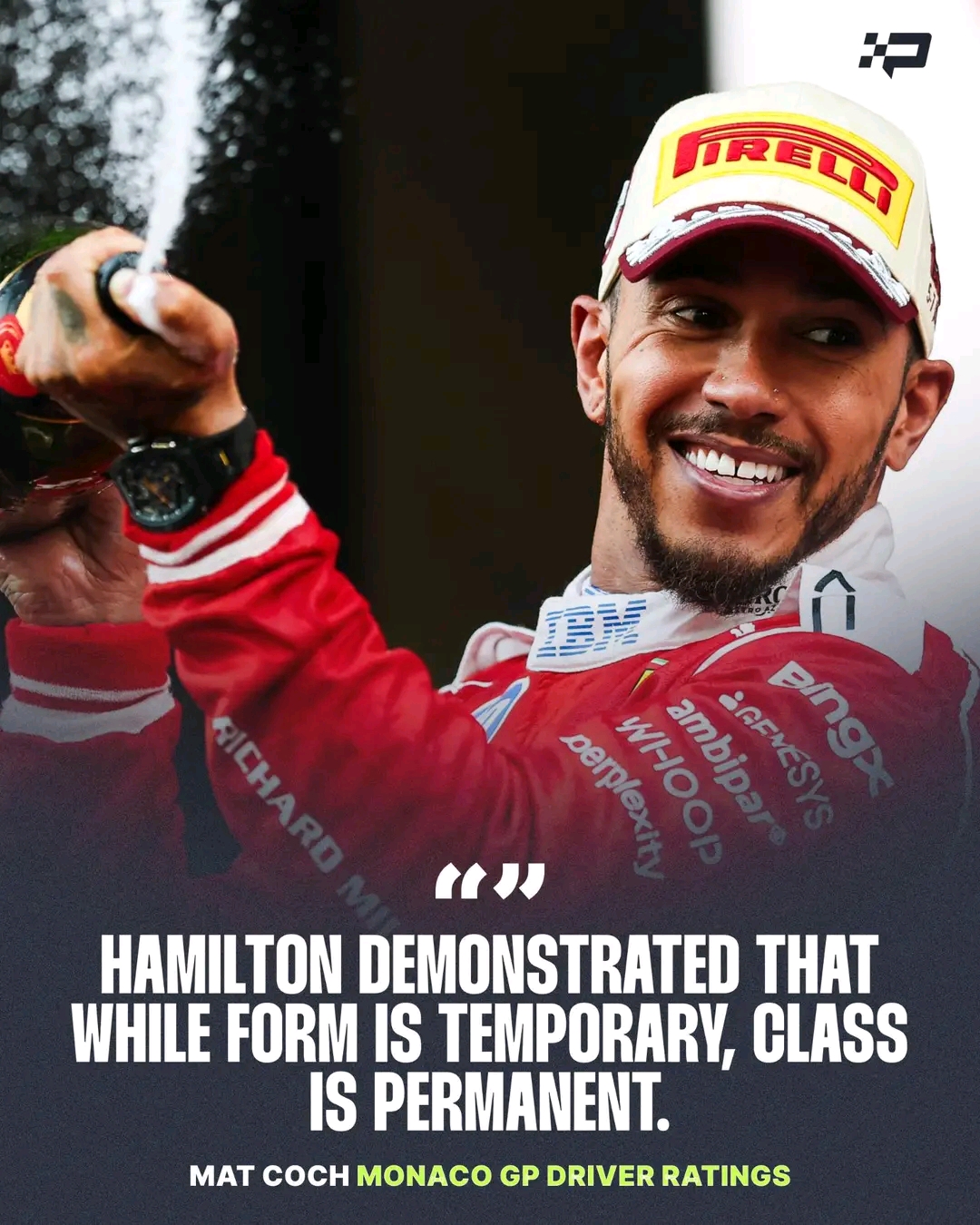
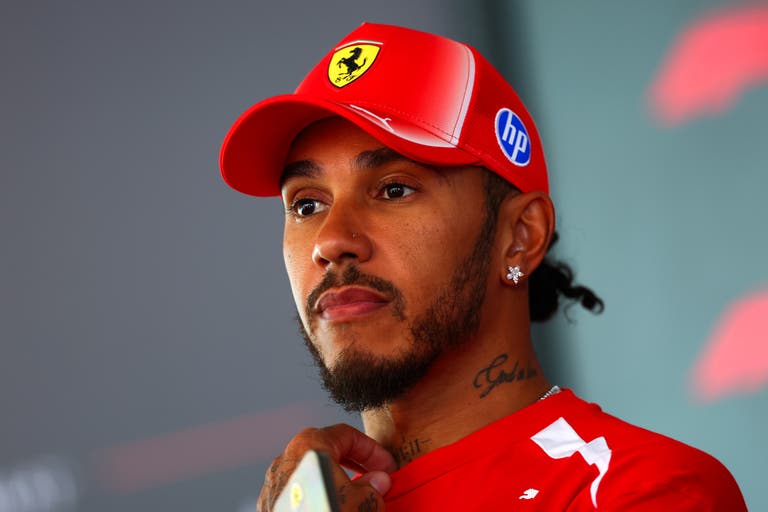
The result also highlighted Ferrari’s growing momentum. With Lewis Hamilton finishing third after serving a five-second penalty for a false start, Ferrari secured a valuable double podium that significantly strengthened its position in both championship battles.
VERSTAPPEN’S CRASH CHANGED EVERYTHING
The complexion of the race changed dramatically when Max Verstappen spun into the gravel during the closing stages.
His retirement immediately triggered the deployment of the Safety Car, forcing every team to make rapid strategic decisions.
Some drivers opted for fresh tyres in anticipation of a late restart, while others—including George Russell—remained on older rubber, betting that track position would prove more valuable than tyre life.
At that point, everything appeared perfectly set for one final lap of all-out racing.
Instead, that showdown never happened.
CONFUSION SURROUNDED THE FINAL LAPS
Race Control initially displayed a message indicating the Safety Car would return to the pits before the final lap.
Drivers prepared for an intense sprint to the finish, teams began calculating defensive and attacking strategies, and fans anticipated one final burst of action.
Moments later, however, the decision changed.
The Safety Car remained on track until the chequered flag, bringing the race to an anticlimactic conclusion that immediately sparked criticism throughout the paddock and across social media.
The confusion only deepened when Formula 1 later acknowledged that the message indicating the restart had appeared because of a software error.
WHY THE FIA KEPT THE SAFETY CAR OUT
Following the race, the FIA explained that the restart could not proceed because the unlapping procedure had not been fully completed before the final lap.
According to regulations, every lapped car must safely rejoin the back of the queue before racing can resume.
Because there was insufficient time for that process to finish, officials determined that ending the race under the Safety Car remained the safest option.
The governing body later confirmed that the broadcast message suggesting the Safety Car would return to the pits had been displayed incorrectly due to a software malfunction.
While the explanation clarified the sequence of events, it did little to ease widespread disappointment among fans hoping for a proper racing finish.
THE DECISION BENEFITED SOME DRIVERS MORE THAN OTHERS
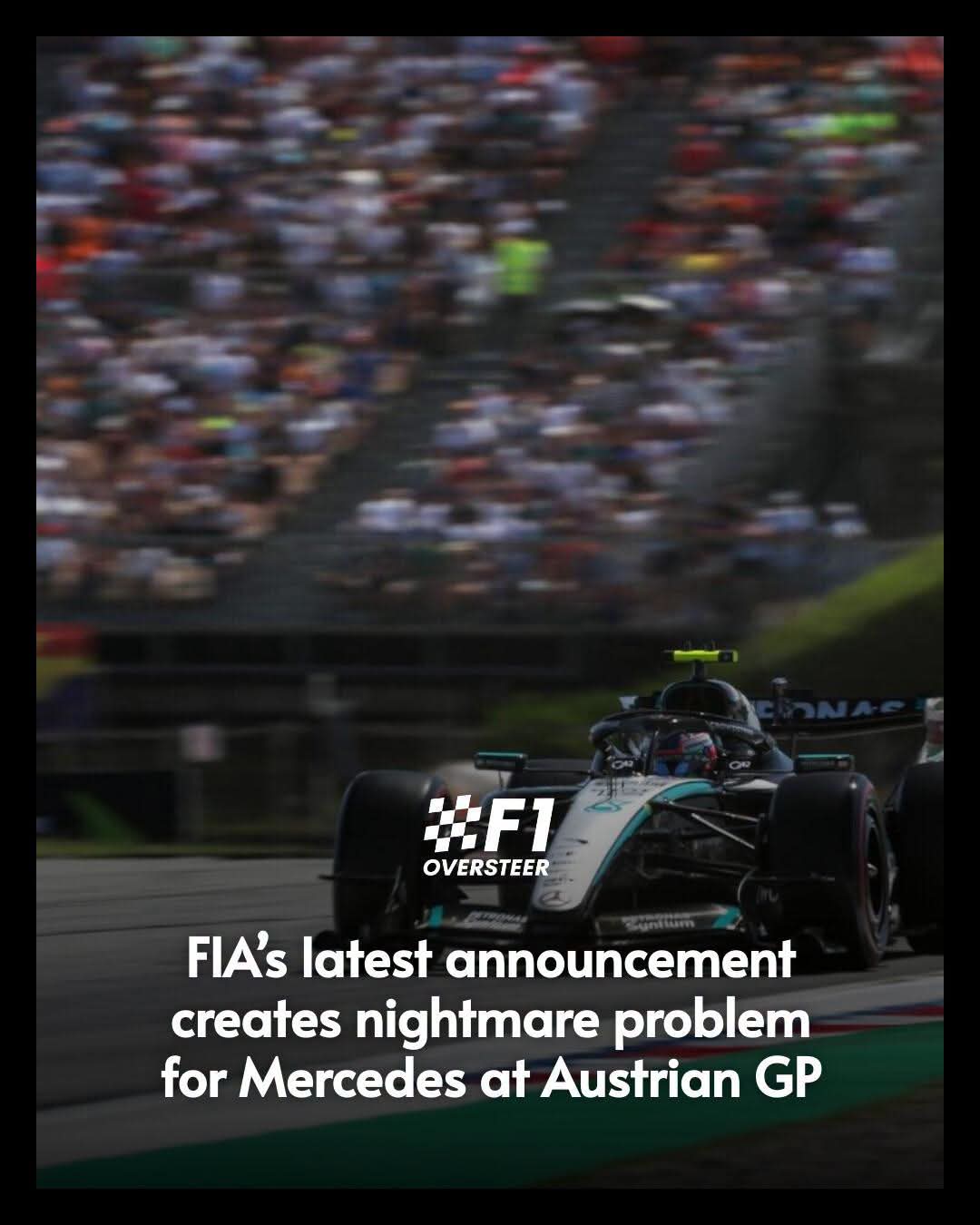
One of the biggest beneficiaries of the neutralized finish was George Russell.
The Mercedes driver had elected not to pit for fresh tyres, leaving him vulnerable if the race restarted for one final green-flag lap.
With competitors behind him running significantly newer tyres, Russell likely would have faced immense pressure defending second place.
Instead, the Safety Car eliminated that threat entirely, allowing him to secure another valuable podium finish.
Meanwhile, Lewis Hamilton’s decision to pit during the caution ultimately cost him second place, although he still salvaged third despite earlier serving a false-start penalty.
ANTONELLI’S CHAMPIONSHIP LEAD SHRINKS
Perhaps the biggest loser of the afternoon was championship leader Kimi Antonelli.
The Mercedes rookie appeared capable of challenging for victory before suffering a wheel shield issue that compromised his pace during the latter stages of the race.
His difficult afternoon became even worse after receiving a penalty for exceeding track limits, dropping him well outside the points-paying positions.
Although Antonelli retains the championship lead, his advantage has narrowed considerably.
Mercedes teammate George Russell and Ferrari’s Lewis Hamilton both capitalized on Antonelli’s misfortune, adding fresh intrigue to what is becoming one of Formula 1’s most competitive title races in years.
OSCAR PIASTRI’S RACE UNRAVELS EARLY
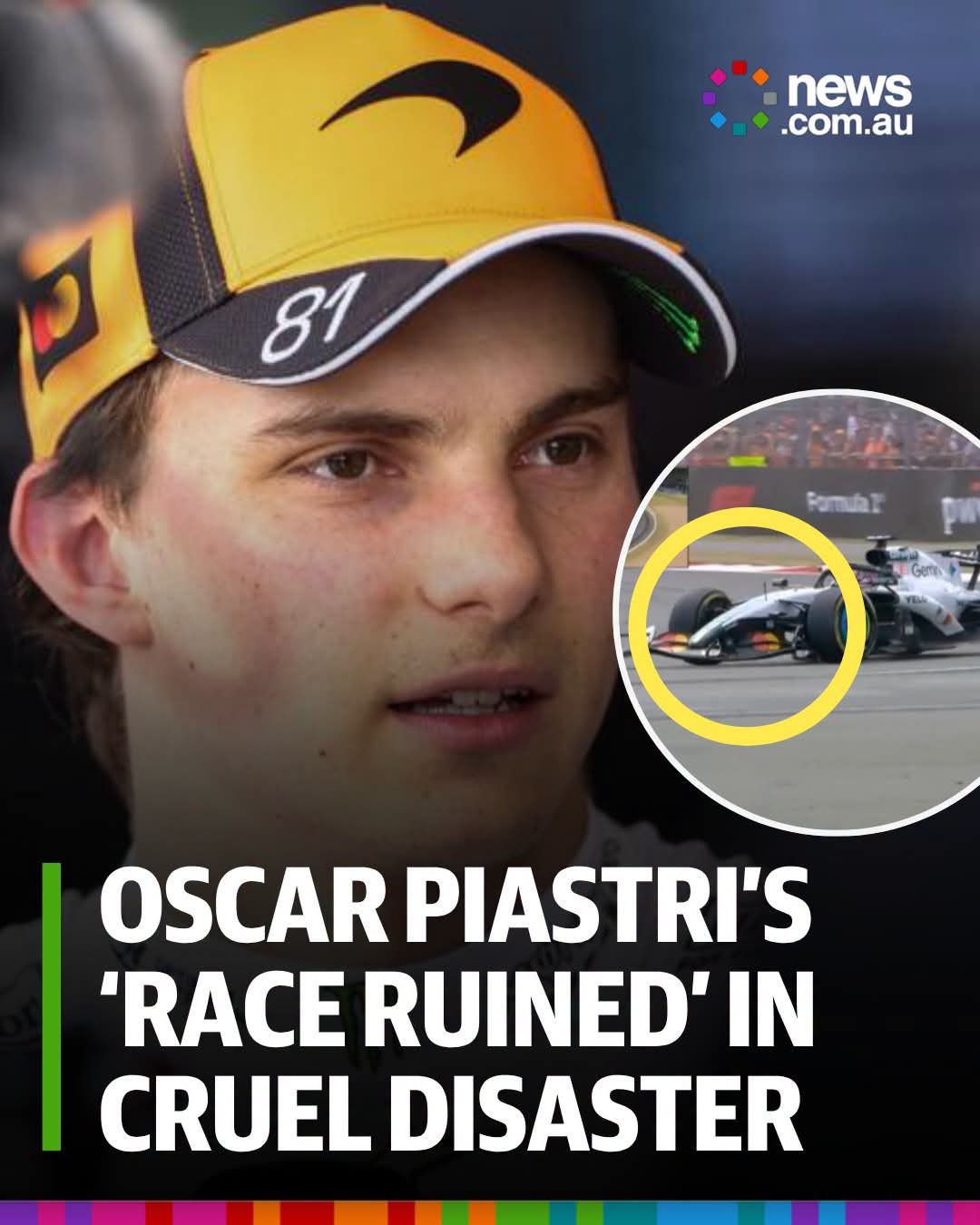
Australian driver Oscar Piastri endured one of his toughest weekends of the season.
An opening-lap collision with Liam Lawson forced him to recover from near the back of the field, effectively eliminating any realistic opportunity to challenge for points.
Despite showing respectable pace afterward, the early incident left too much ground to recover, highlighting once again how unforgiving Formula 1 can be when incidents occur during the opening laps.
THE SAFETY CAR DEBATE RETURNS TO THE SPOTLIGHT
The Silverstone finish has once again reopened discussions about how Formula 1 should conclude races affected by late Safety Cars.
Many fans argue that every reasonable effort should be made to finish under green-flag conditions whenever safety allows.
Others believe race officials must prioritize consistency and safety above entertainment, even if that occasionally produces anticlimactic conclusions.
The debate carries extra sensitivity because Formula 1 significantly revised its Safety Car procedures following the highly controversial 2021 Abu Dhabi Grand Prix, where inconsistent application of the regulations determined the championship outcome.
Since then, officials have generally adopted a more cautious approach.
However, Silverstone demonstrated that no solution completely satisfies everyone.
WHAT THIS MEANS FOR THE REST OF THE SEASON
Beyond the immediate controversy, the British Grand Prix may prove to be a turning point in the championship.
Ferrari appears to have found genuine race-winning pace after a difficult opening half of the campaign.
Mercedes continues scoring consistently despite Antonelli’s setback.
McLaren remains competitive even when results don’t fully reflect its speed.
Meanwhile, Red Bull faces growing questions after another frustrating weekend for Verstappen.
As Formula 1 heads toward Spa-Francorchamps, the championship picture remains remarkably open.
If Ferrari continues improving while Mercedes maintains its consistency, the battle for both world championships could remain undecided well into the final rounds.
Silverstone may ultimately be remembered not only for Leclerc’s long-awaited return to victory but also as the race that reignited one of Formula 1’s oldest debates: whether the sport should prioritize procedural consistency or deliver the dramatic racing finishes fans desperately want to see.