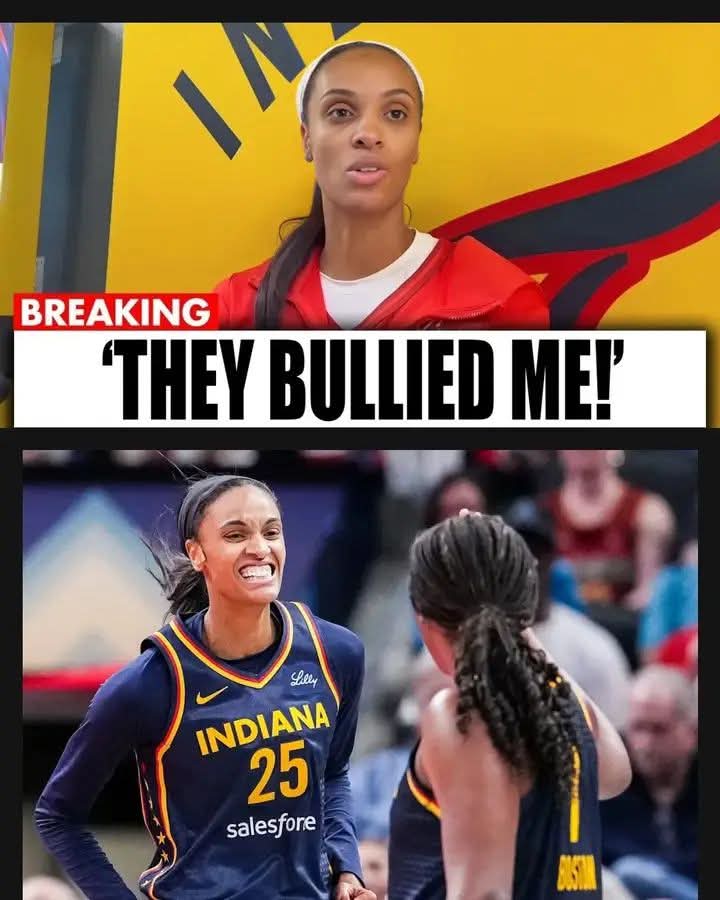
The Indiana Fever’s remarkable rise this season has brought renewed optimism to one of the WNBA’s fastest-growing franchises. Yet even as the team continues building around its talented young core, questions surrounding DeWanna Bonner’s short-lived tenure in Indiana refuse to disappear.
Bonner recently addressed her departure from the Fever, offering fresh insight into why the partnership never developed into the success many expected. While the veteran forward stopped short of criticizing the organization, her comments have reignited conversations about roster chemistry, leadership, and how championship-caliber teams are built.
Her reflections come at a time when Indiana appears to have found its identity, making her exit one of the most intriguing “what if” stories of the 2026 WNBA season.
A HIGH-PROFILE ARRIVAL THAT NEVER REACHED ITS POTENTIAL
When DeWanna Bonner joined the Fever, expectations were understandably high.
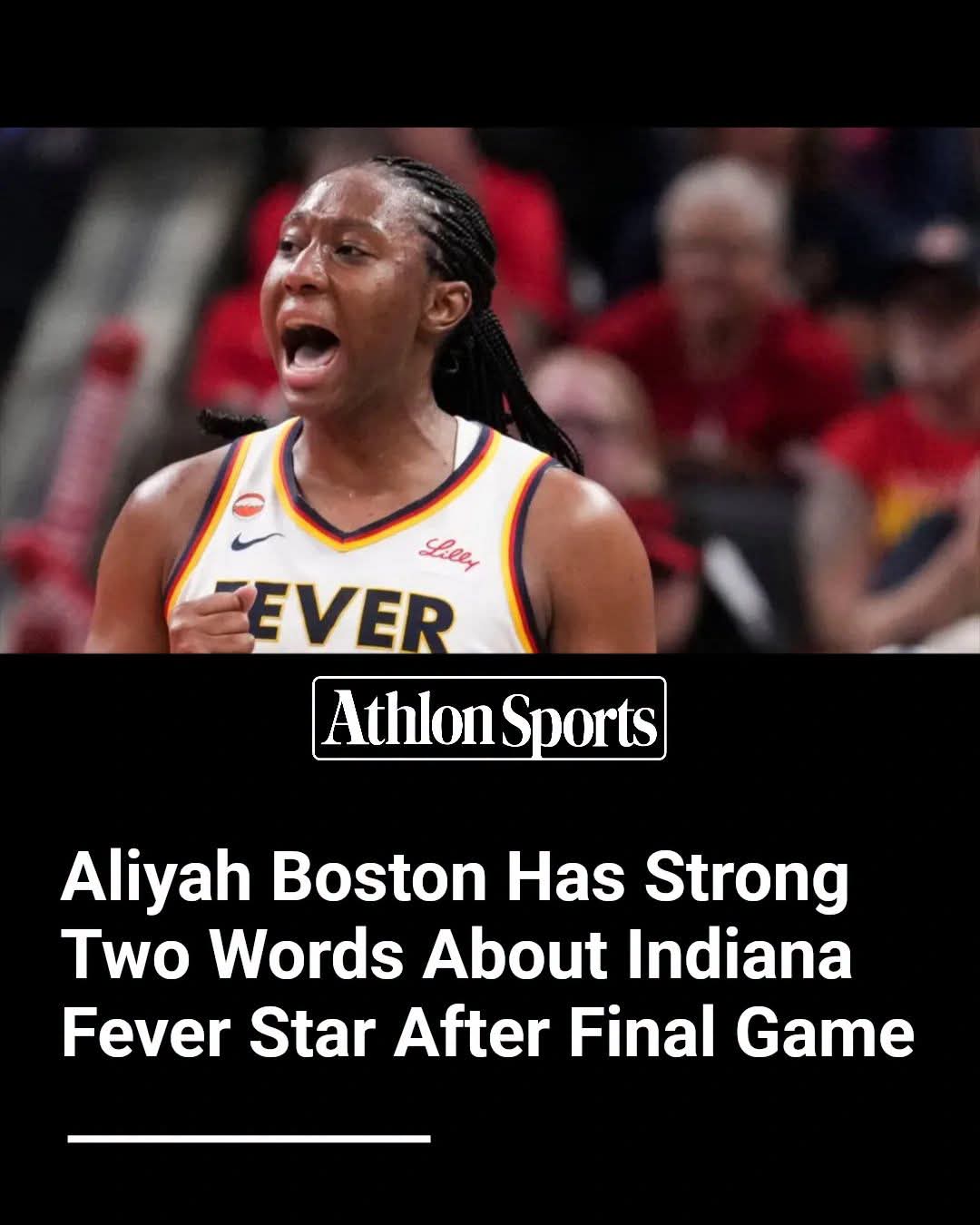
As one of the league’s most accomplished veterans, Bonner brought championship experience, scoring ability, defensive versatility, and leadership to a franchise eager to surround Caitlin Clark, Aliyah Boston, and Kelsey Mitchell with proven talent.
Many believed her presence would accelerate Indiana’s transition from rebuilding team to legitimate title contender.
Instead, the partnership ended far sooner than anyone anticipated.
Rather than becoming a cornerstone of Indiana’s veteran leadership group, Bonner eventually departed after both sides concluded the fit simply wasn’t working.
BONNER SAYS THE FIT JUST WASN’T RIGHT
Bonner’s recent comments suggest there was no dramatic falling out behind the scenes.
Instead, she explained that the situation ultimately failed to meet the expectations of either the player or the organization.
Professional basketball often comes down to more than talent. Role definition, offensive systems, personalities, communication, and locker-room dynamics frequently determine whether a roster succeeds.
Even accomplished veterans sometimes discover that the environment simply isn’t the right one for them.
Indiana reportedly explored several options before both sides moved forward, allowing Bonner to continue her career elsewhere while the Fever doubled down on their developing core.
THE VIRAL SOPHIE CUNNINGHAM MOMENT BROUGHT EVERYTHING BACK INTO THE SPOTLIGHT
Although Bonner had already left Indiana, emotions resurfaced during the Fever’s meeting with the Phoenix Mercury.
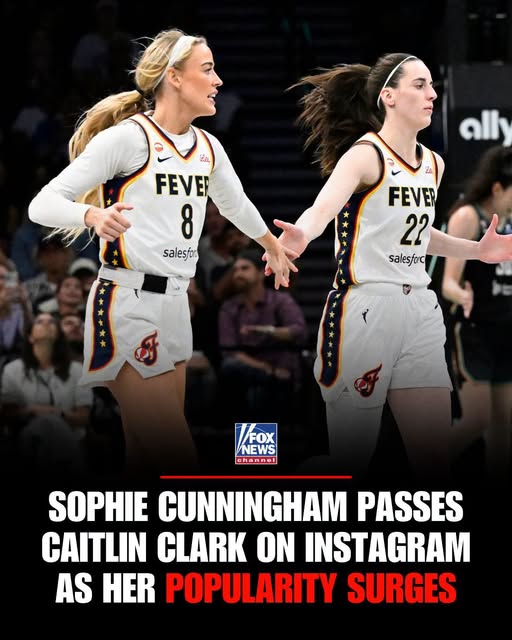
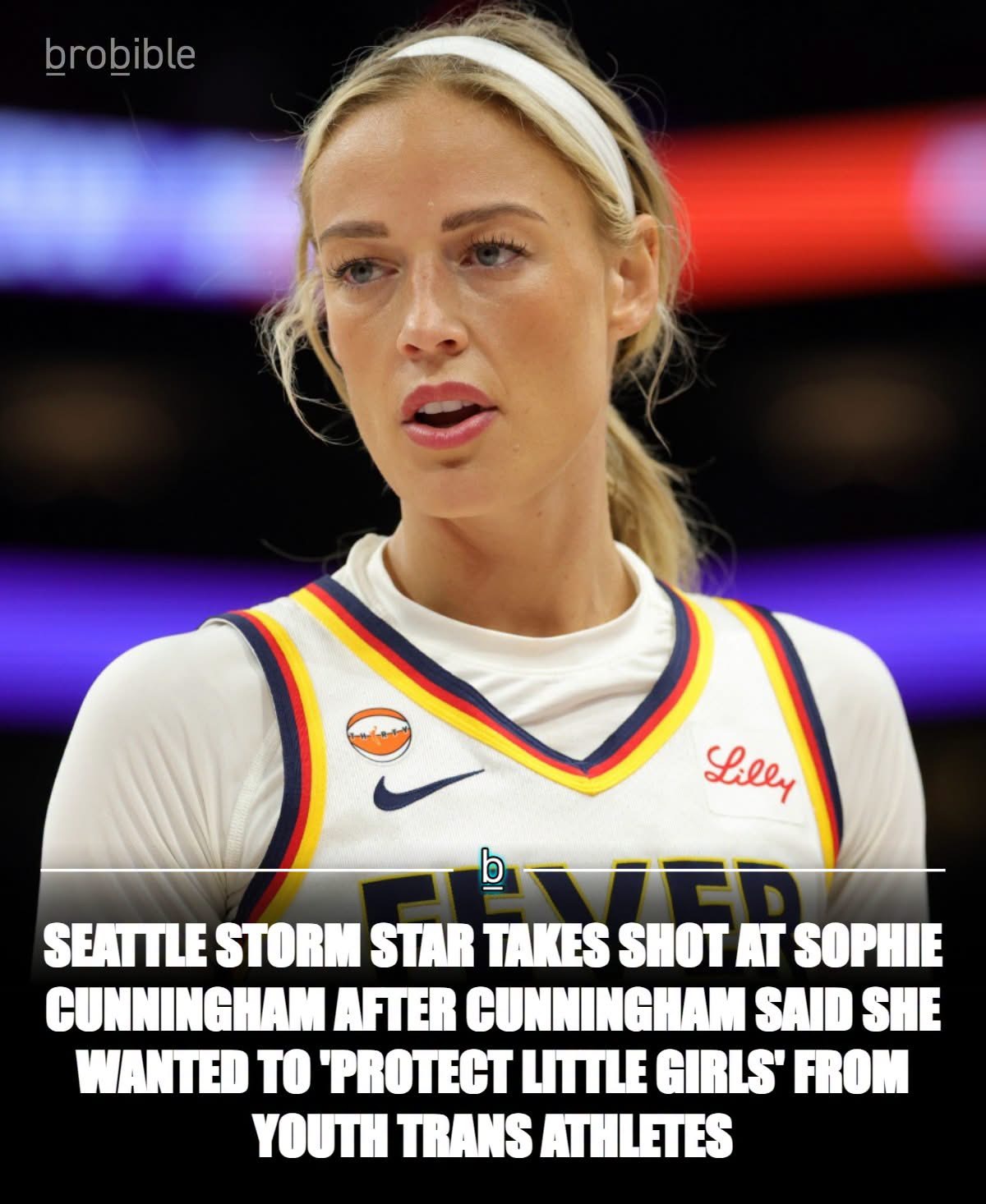
A heated exchange involving Bonner, Caitlin Clark, and Sophie Cunningham quickly became one of the game’s defining moments.
Technical fouls followed, while Cunningham’s now-famous pointing gesture spread rapidly across social media, fueling renewed debate about Bonner’s departure and the lingering emotions surrounding it.
Cunningham later acknowledged that part of her goal was to frustrate her former teammate rather than escalate the situation physically.
While the confrontation attracted headlines, it also highlighted just how emotionally invested the Fever roster has become in protecting one another during highly competitive games.
INDIANA’S LOCKER ROOM APPEARS TO HAVE FOUND ITS IDENTITY
Since Bonner’s departure, one theme has consistently emerged from Indiana’s performances.
The Fever have embraced a team-first mentality built around trust, communication, and collective accountability.
Players have repeatedly defended teammates during physical contests, particularly when Clark has been the target of aggressive defensive play.
Veterans like Cunningham have publicly emphasized unity, while younger stars have continued developing stronger on-court chemistry with each passing week.
That doesn’t necessarily suggest Bonner was responsible for earlier struggles.
Instead, it illustrates how sometimes roster adjustments allow every remaining player to settle more naturally into clearly defined roles.
WHY BOTH SIDES MAY HAVE BENEFITED FROM MOVING ON
Professional sports history is filled with examples where both player and team thrive after parting ways.
Bonner remains one of the WNBA’s most respected veterans and has demonstrated throughout her career that she can contribute to winning basketball.
Meanwhile, Indiana has continued building around its long-term foundation.
Clark’s development as the franchise centerpiece has accelerated, Boston continues evolving into one of the league’s premier post players, Mitchell remains a dependable scorer, and Cunningham has become an emotional leader on and off the court.
Sometimes success isn’t determined by adding the biggest names.
It’s determined by finding the right combination of personalities, playing styles, and shared goals.
THE FEVER’S CHAMPIONSHIP WINDOW CONTINUES TO OPEN
Indiana’s focus now extends far beyond revisiting past roster decisions.
The franchise has positioned itself as one of the league’s fastest-rising contenders, thanks largely to the rapid development of its young stars and the growing consistency throughout the roster.
Building championship teams requires more than elite talent.
It requires players who understand their responsibilities, accept sacrifices when necessary, and trust one another during difficult moments.
The Fever appear to be steadily moving toward that culture.
If they continue improving defensively while maintaining offensive balance around Clark, Boston, Mitchell, and Cunningham, Indiana could become one of the WNBA’s most dangerous postseason teams over the coming seasons.
BONNER’S STORY REMAINS AN IMPORTANT LESSON FOR EVERY WNBA TEAM
Bonner’s comments offer a reminder that even experienced stars cannot guarantee success when the overall fit isn’t right.
Every championship contender eventually faces difficult personnel decisions.
Those choices rarely come down to talent alone.
Organizations must evaluate leadership styles, communication, roster balance, long-term planning, and player development simultaneously.
Indiana’s willingness to move forward may ultimately strengthen its future, while Bonner continues pursuing success in a situation that better matches her experience and expectations.
LOOKING AHEAD
Future matchups between the Fever and Mercury will naturally continue attracting attention.
Fans will remember Bonner’s brief time in Indiana, the emotional exchanges between former teammates, and the conversations surrounding her departure.
But the bigger story now belongs to the Fever’s future.
With one of the brightest young cores in women’s basketball and growing confidence throughout the organization, Indiana appears committed to building sustainable championship success rather than dwelling on the past.
For Bonner, the chapter in Indiana may have been short, but her experience underscores one of professional sports’ most important realities: championship teams aren’t built simply by collecting stars—they’re built by creating the right environment for those stars to succeed together.