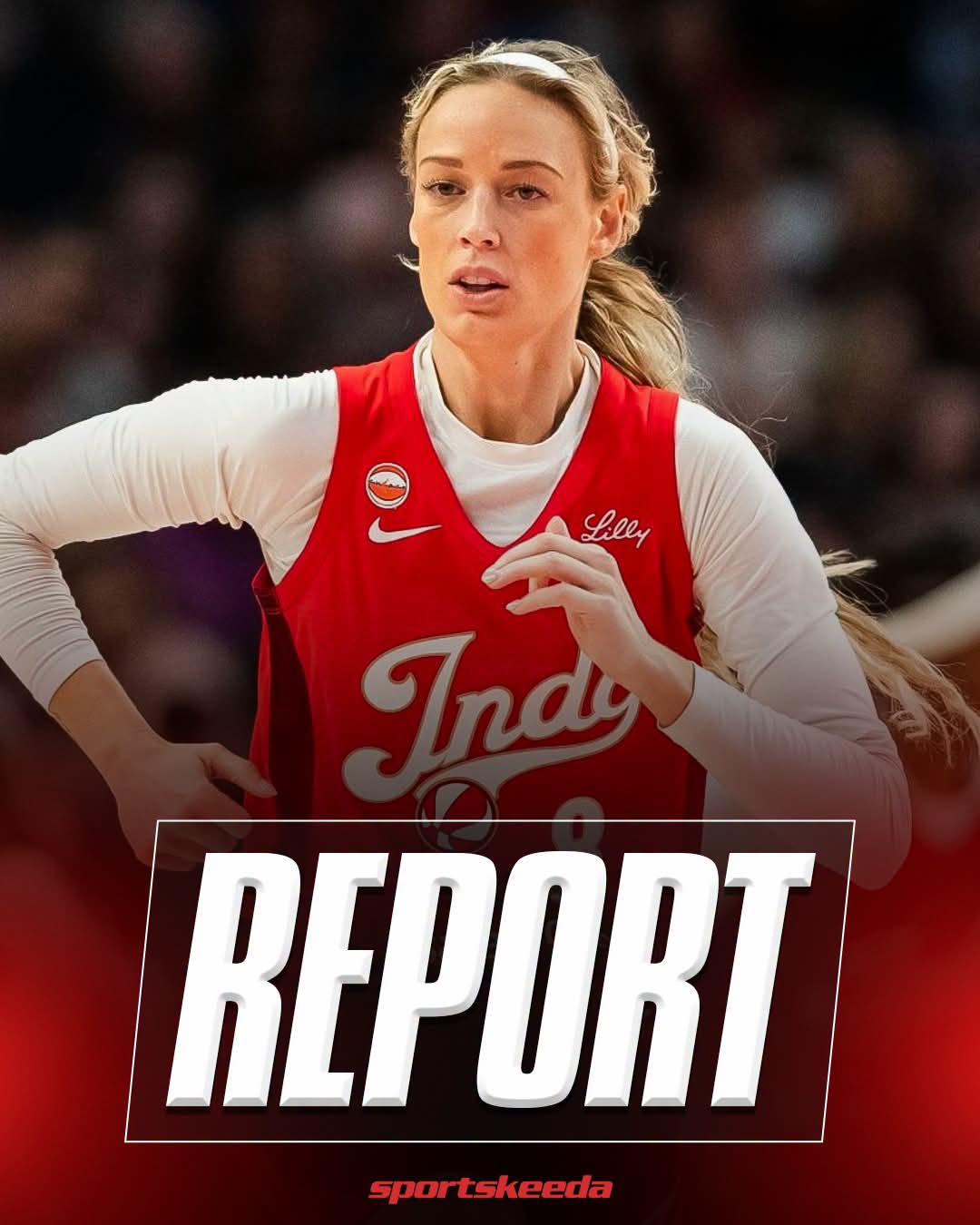
Player safety has once again become a major talking point surrounding the Indiana Fever, but this time the concern extends far beyond the basketball court. According to reports, an Indianapolis man has been charged with stalking, intimidation, and harassment after allegedly targeting Fever guard Sophie Cunningham through a series of disturbing actions. The case has reignited conversations about athlete security in the WNBA and the growing challenges that come with the league’s rapid rise in popularity.
Authorities allege that the suspect sent Cunningham multiple increasingly threatening messages through social media before escalating the situation further. Investigators also claim he delivered a package addressed to “Sophie” at the Indiana Fever’s arena. The package reportedly contained a Guns N’ Roses T-shirt sprayed with cologne alongside a handwritten letter. The suspect now faces multiple criminal charges as the legal process begins.
A DISTURBING PATTERN EMERGES
This incident is particularly alarming because it is not the first time an Indiana Fever player has been the target of alleged stalking. Last year, a Texas man was sentenced to 18 months in prison after stalking and harassing Caitlin Clark, highlighting a troubling pattern involving one of the WNBA’s most recognizable franchises.
As the Fever continue attracting record-breaking attendance, television audiences, and national attention, players are inevitably becoming more recognizable public figures. While increased exposure benefits the league commercially, it also creates new security risks that teams and league officials must address more aggressively.
THE GROWING RESPONSIBILITY OF THE WNBA
Professional athletes have always dealt with passionate fans, but the line between admiration and obsession can quickly become dangerous. Social media has made direct communication with players easier than ever, allowing supporters to engage with their favorite stars but also providing opportunities for harassment.
The Cunningham case serves as another reminder that player protection cannot stop once athletes leave the court. Security protocols now extend to digital monitoring, arena access, travel arrangements, and coordination with local law enforcement whenever credible threats emerge.
For the WNBA, incidents like these reinforce the need for continued investment in player safety as the league’s popularity continues to accelerate.
SOPHIE CUNNINGHAM REMAINS AN IMPORTANT FIGURE FOR THE FEVER
Cunningham has become one of the Indiana Fever’s most vocal and energetic personalities since joining the organization. Known for her physical style of play, leadership, and willingness to defend teammates, she has quickly earned respect from Fever fans and become an important contributor on and off the floor.
Although the alleged stalking incident has created unwanted headlines, the focus now shifts toward ensuring Cunningham can continue competing without concerns about her personal safety.
WHAT THIS COULD MEAN GOING FORWARD
The legal proceedings will determine the outcome of the charges against the suspect, but the broader impact could extend throughout the WNBA. Teams may review arena security measures, strengthen monitoring of online threats, and increase coordination with law enforcement when players report concerning behavior.
The Indiana Fever have become one of the league’s biggest attractions, bringing unprecedented attention to women’s basketball. That success carries new responsibilities, including ensuring that players can perform their jobs without fear of harassment or intimidation.
As the WNBA continues its remarkable growth, protecting its athletes will remain just as important as promoting the game itself. The Cunningham case is another reminder that player safety extends well beyond the final buzzer, and maintaining that security will be essential for the league’s future.