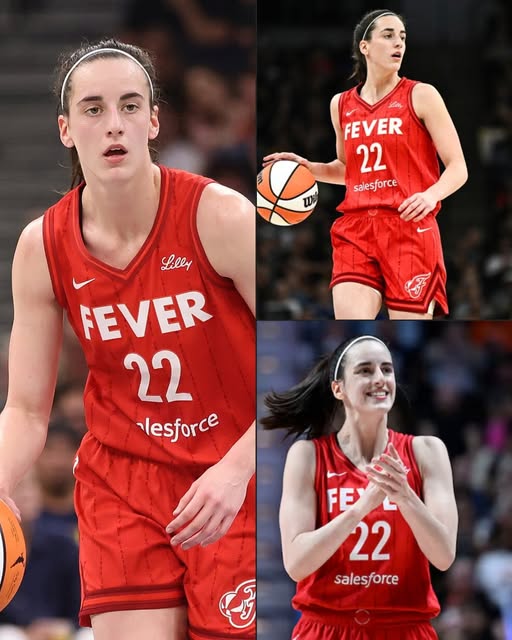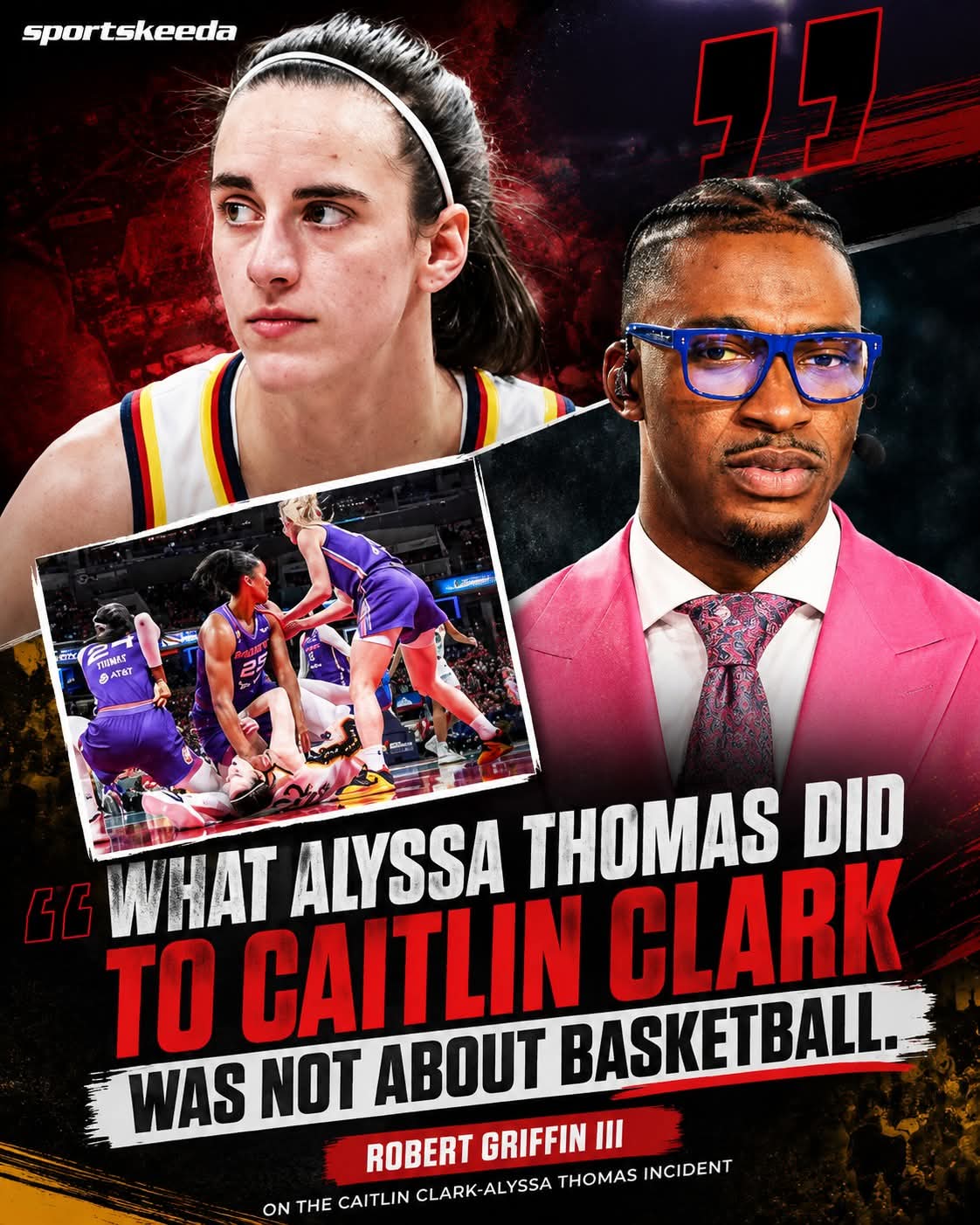
The WNBA has once again found itself at the center of a heated debate after Indiana Fever superstar Caitlin Clark suffered a back injury following a physical collision with Phoenix Mercury forward Alyssa Thomas. The incident has sparked widespread reactions across the sports world, with former NFL quarterback Robert Griffin III emerging as one of the league’s most vocal critics. His comments have reignited questions about player safety, officiating consistency, and whether the WNBA is doing enough to protect one of its biggest stars.
While the league responded by suspending Thomas for one game, many observers believe the punishment fails to address the broader concerns surrounding Clark’s treatment on the court. The controversy has overshadowed several outstanding individual performances across the league, shifting the conversation away from basketball and toward discipline, accountability, and the WNBA’s public image.
ROBERT GRIFFIN III CALLS FOR THE FOCUS TO RETURN TO BASKETBALL
Griffin did not hold back in expressing his frustration. The former NFL player described the incident as “dirty play” and argued that the conversation has become unnecessarily divided by discussions surrounding race and sexual orientation instead of remaining focused on basketball.
His message resonated with many fans who believe debates surrounding Clark often drift away from the actual game. Griffin urged supporters and critics alike to evaluate the play itself rather than allowing outside narratives to dominate the discussion.
Whether fans agree with Griffin or not, his remarks have amplified a growing concern that basketball stories are increasingly being overshadowed by controversy instead of athletic achievement.
THE INCIDENT RAISES FRESH QUESTIONS ABOUT PLAYER SAFETY
Physical play has always been part of professional basketball, and the WNBA has long celebrated toughness and defensive intensity. However, there is an important distinction between aggressive competition and actions that unnecessarily place players at risk.
Clark’s injury has reignited conversations about where that line should be drawn. Critics argue that consistent officiating and meaningful disciplinary action are essential to protecting players while maintaining the league’s competitive nature. Supporters of the current system counter that basketball remains a physical sport where hard contact is inevitable.
The league now faces the challenge of balancing both perspectives while ensuring that player safety remains a priority.
WHY THIS MATTERS FOR THE WNBA’S FUTURE
Caitlin Clark has become one of the league’s most influential figures, helping drive record television ratings, sold-out arenas, increased merchandise sales, and unprecedented media attention. Any extended absence would not only affect the Indiana Fever but could also impact the league’s overall momentum.
That reality places additional pressure on the WNBA to demonstrate that it can protect its stars without creating different standards for individual players. Every disciplinary decision involving Clark is now scrutinized by fans, media, and former athletes, making consistency more important than ever.
The controversy also arrives at a time when the league is experiencing rapid growth, meaning public confidence in officiating and player safety could influence how new audiences view the WNBA.
THE BASKETBALL STORY SHOULD NOT BE LOST
Lost amid the controversy is the fact that numerous WNBA stars continue producing outstanding performances that deserve recognition. Instead, headlines have largely centered on Clark’s injury, the suspension, and the reactions from current and former athletes.
The WNBA will hope the conversation soon shifts back to the quality of play on the court rather than disciplinary issues. However, achieving that will likely require greater consistency from officials and continued transparency from the league whenever major incidents occur.
For now, the spotlight remains firmly on how the WNBA handles situations involving its biggest stars. The response to Clark’s injury—and the debate it has generated—could shape public perception of the league long after this single incident fades from memory.