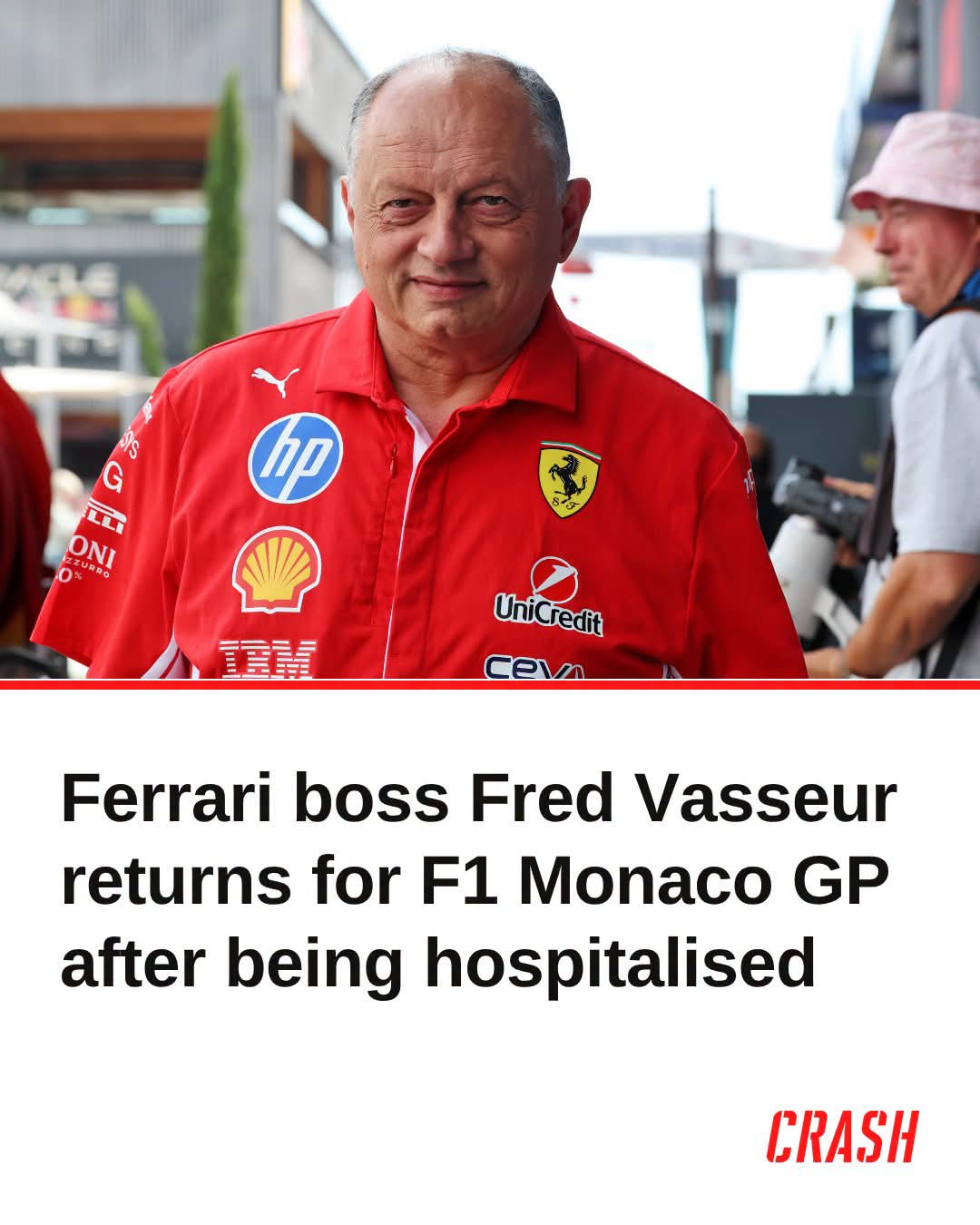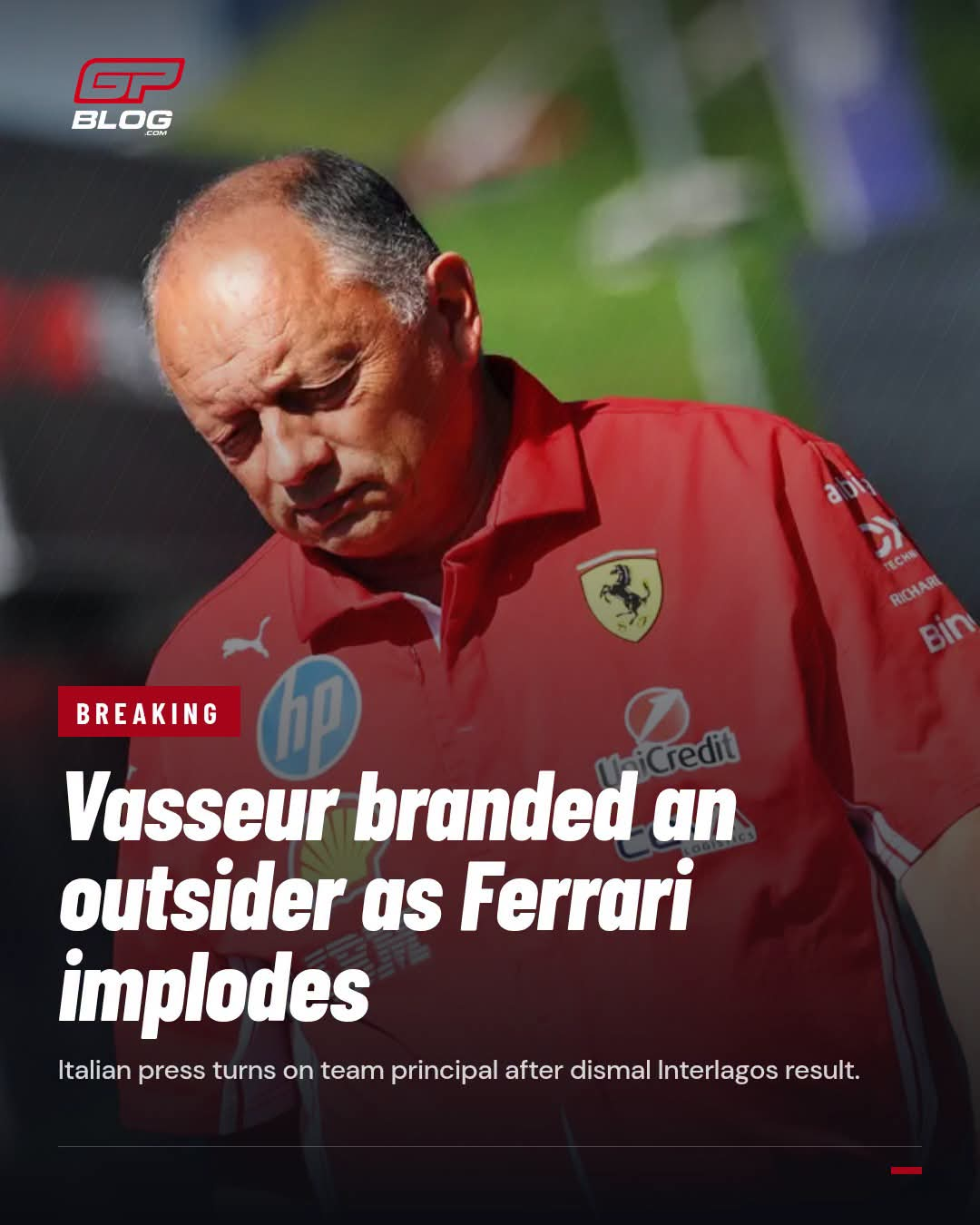
The Brazilian Grand Prix delivered another bruising reminder of Ferrari’s stubborn inconsistency in 2026. Charles Leclerc crossed the line eighth. Lewis Hamilton finished ninth. Team principal Fred Vasseur pointed to tyre pressures as the main culprit. Within hours, veteran Italian journalists were openly questioning his leadership, with Pino Allievi directing a pointed challenge toward Ferrari’s boardroom and chairman John Elkann.
What looked like a recoverable weekend after grid penalties for power unit changes turned into a points-scoring disappointment that has reignited familiar doubts about whether the current structure at Maranello can deliver sustained championship contention.
THE RACE THAT EXPOSED THE TYRE WINDOW PROBLEM
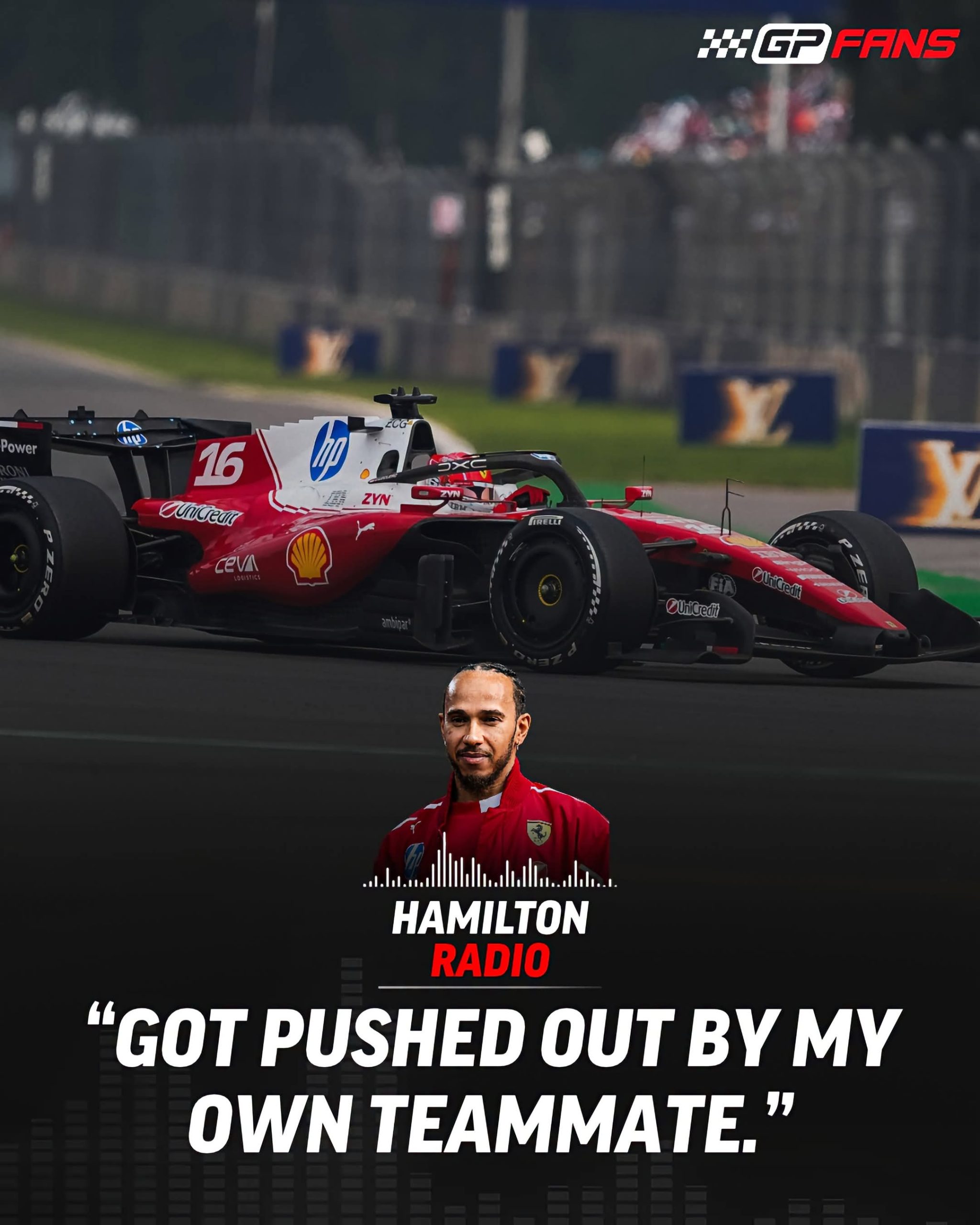
Hamilton started twentieth after his power unit penalty. In the damp conditions at Interlagos he produced one of the drives of the day on the opening lap, surging eleven places into the top ten. That early charge, however, came at a cost. As the intermediate tyres went off the optimal window, grip disappeared and positions slipped away. Leclerc, starting further forward but also compromised, never found consistent rhythm either.
Vasseur was clear afterward: the choice of higher tyre pressures helped the dramatic first-lap progress but punished the car later in the stint. “You cannot have a first lap like that and then not pay some price for it,” he said. The team principal also noted that Ferrari’s struggles with tyre temperature can cost as much as half a second per lap—far more than most aerodynamic upgrades deliver. When the car is outside that narrow operating window, the underlying performance of the SF-26 becomes almost irrelevant.
This is not a new theme for Ferrari in 2026. The team has shown flashes of genuine competitiveness, including a strong showing in Mexico the previous weekend, yet the same weekend-to-weekend volatility keeps appearing. Chassis grip has often been competitive. Power unit performance and the ability to keep the tyres in the right temperature range have not.
WHY THE ITALIAN PRESS HAS TURNED ON VASSEUR
The result itself was bad enough. The post-race explanations and the broader pattern of the season have pushed long-time observers past the point of polite frustration. Pino Allievi, one of the most respected voices in Italian motorsport journalism, did not hold back. He argued that the problems sit higher than pure race strategy or single-weekend execution. Vasseur has held the role for four years, enjoyed significant freedom to shape the technical and driver line-up, and still the Scuderia remains stuck between occasional strong weekends and costly inconsistency.
Allievi’s most pointed line was directed at the corporate leadership above the team principal: “What are you waiting for to finally intervene?” The question lands heavily because Elkann publicly backed Vasseur only months earlier. That public support now looks increasingly tested.
Other Italian commentators have described Vasseur as appearing more like an outside observer than the central decision-maker during periods of tension between the two drivers. Managing a dual-star pairing of Leclerc and Hamilton was always going to be complex. When results fail to match the talent and resources available, the management of those dynamics becomes fair game for scrutiny.
THE BIGGER PICTURE FOR FERRARI AND FORMULA 1
Ferrari sits second in the constructors’ championship. On pure points tally the season is an improvement on some recent years. Yet the title drought that has stretched since 2008 continues, and the team has gone long stretches without victories while rivals rotate wins among themselves. For a manufacturer of Ferrari’s stature and resources, second place with occasional podium potential is not the standard the tifosi or the board expect.
The impact lands hardest on the drivers. Leclerc has spent years as the team’s primary hope and still finds himself explaining results that do not match his speed. Hamilton arrived with the expectation of challenging for titles in red; instead he has spent significant parts of the season recovering from grid penalties or wrestling an unpredictable car. Both men remain elite operators. Both are constrained by a package that can look competitive one weekend and compromised the next.
For the broader sport, Ferrari’s struggles matter because the team remains one of the central commercial and emotional pillars of Formula 1. A consistently competitive Ferrari raises the quality of the championship. Prolonged under-delivery invites speculation about leadership changes, possible arrivals of high-profile figures currently on the market, and questions about whether the unique culture of Maranello can adapt quickly enough in the current regulatory era.
LOOKING AHEAD: WILL THE BOARD ACT, AND WHAT COMES NEXT?
The winter shutdown is approaching. Vasseur has spoken of the progress already made and the positive internal climate heading into development work for 2027. That message is understandable from a team principal trying to protect his people. It is less persuasive to outsiders watching the same tyre and consistency issues surface repeatedly.
Elkann and the board face a classic high-stakes decision. Changing leadership mid-project carries its own risks, especially when the chassis appears competitive and the longer-term power unit programme is already locked in for the next cycle. Keeping the current structure unchanged after another season of near-misses and public criticism also carries risk—particularly the risk of losing internal belief and external credibility.
The most valuable path may not be a dramatic sacking but a clearer mandate and sharper accountability around the specific weaknesses that keep costing time: tyre preparation, power unit competitiveness, and the operational consistency required to turn strong cars into regular race winners. Ferrari has the drivers, the brand, and the resources. The question that Italian journalists are now asking out loud is whether the current leadership structure is extracting the maximum from those assets.
Until that question receives a convincing answer on track, the pressure on Fred Vasseur—and by extension on those who continue to support him—will only intensify. The Brazilian result was only eight and ninth. The consequences for the team’s direction could prove far more significant.