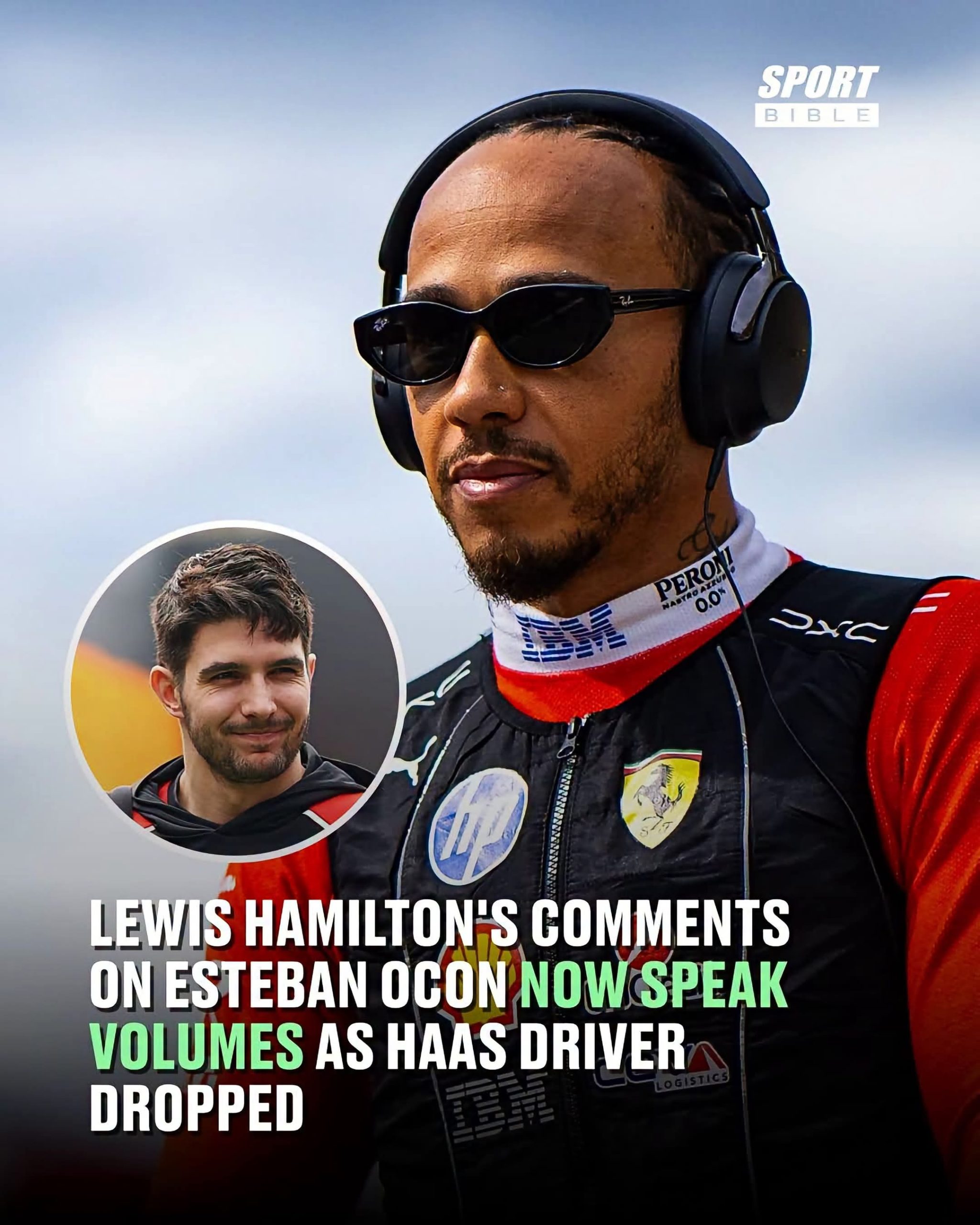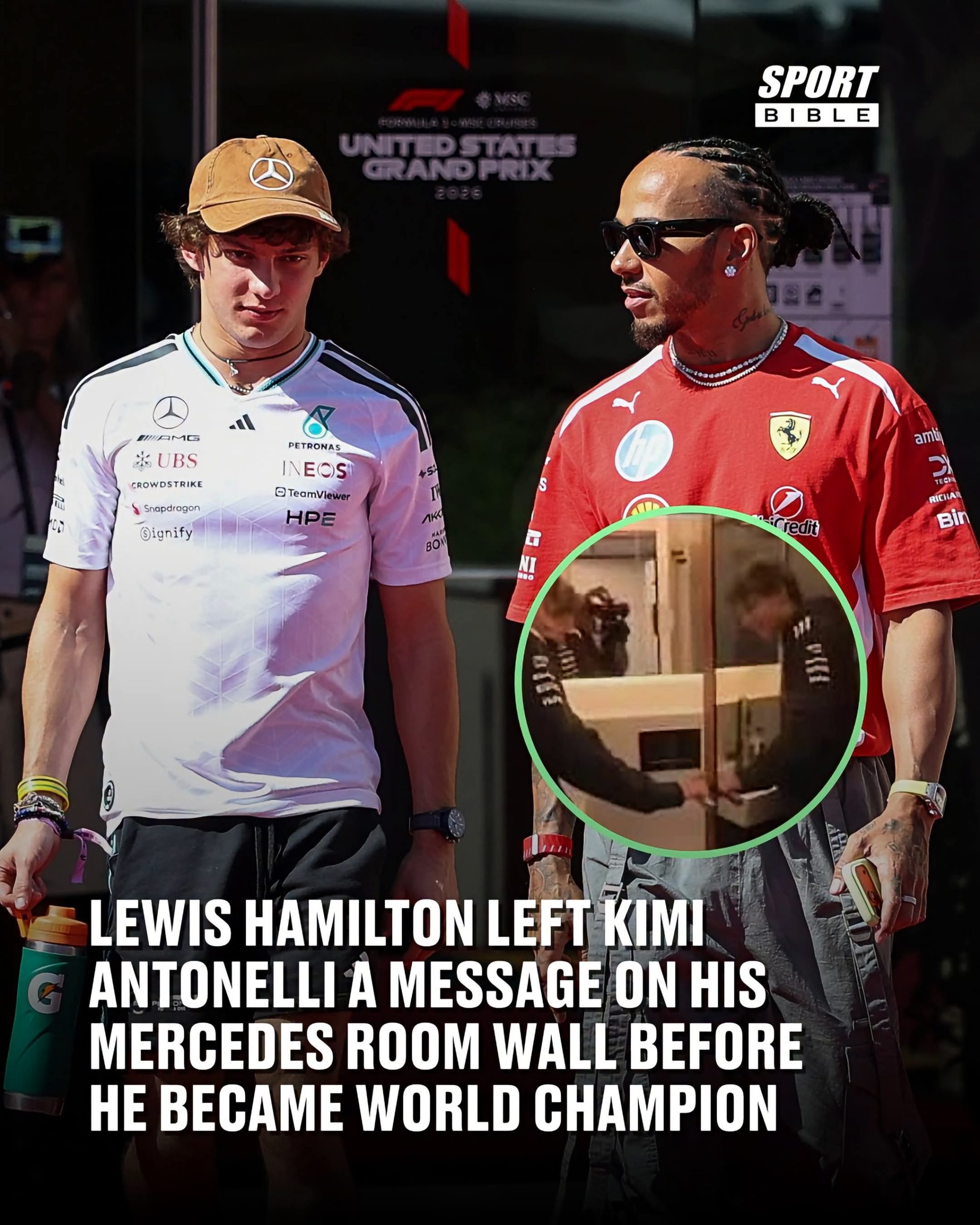
Fernando Alonso has offered a classy response as Lewis Hamilton prepares to join him in one of Formula 1’s rarest statistical groups. This weekend’s São Paulo Grand Prix will mark Hamilton’s 400th Grand Prix start, making the seven-time world champion only the second driver in the sport’s history to reach the landmark after the two-time champion Spaniard.
Alonso, currently the all-time leader with more than 440 starts, did not hesitate when asked about welcoming another member to the “400 club.” His answer mixed genuine respect with a clear-eyed view of how the modern calendar has changed the nature of longevity in the sport.
ALONSO’S GRACIOUS REACTION TO A FORMER RIVAL’S MILESTONE
“Yes, of course. It’s a big number,” Alonso said. “More and more drivers I think will join the club with these very long calendars. I think if you race 10 years now, you are more than 250 [races]. Lewis obviously, incredible career in Formula 1 and 400 races, all of them in a very competitive position. Congratulations to him, and hopefully a good race and good weekend for him.”
The words carry extra weight because these two men were once bitter rivals. Their 2007 season as McLaren teammates remains one of the most intense and fractured partnerships in modern F1 history. Nearly two decades later, the relationship has matured into mutual respect. Alonso’s comments acknowledge not just the raw number of starts, but the consistent front-running quality of Hamilton’s entire career.
WHY 400 STARTS MATTERS IN TODAY’S FORMULA 1
Reaching 400 Grand Prix starts was once almost unthinkable. Earlier eras featured shorter calendars, higher physical risk, and shorter average careers. Drivers who lasted a decade were considered long-serving. Today’s 24-race seasons accelerate the clock. Alonso correctly noted that a driver racing for ten full years can already clear 250 starts. The 400 barrier therefore represents a different kind of achievement: sustained excellence across changing regulations, multiple teams, and evolving car philosophies.
Hamilton arrives at the milestone with a perfect record of starts matching his entries. The only race he missed was the 2020 Sakhir Grand Prix due to COVID-19, and he was never entered for that event. Alonso, by contrast, has a handful more entries than starts, reflecting the occasional mechanical or strategic non-starts that are part of a longer career that began in 2001.
The numerical gap still favors Alonso. Heading into Brazil the Spaniard sat on approximately 444 starts. Hamilton, four years younger, still has theoretical time to close the gap if both continue racing. Alonso’s recent contract extension with Aston Martin through the end of 2027 suggests the record will keep moving for at least another season.
INTERLAGOS: THE PERFECT STAGE FOR A SHARED LANDMARK
Few circuits could feel more fitting. Interlagos is where Alonso sealed both of his world titles in 2005 and 2006. It is also where Hamilton claimed his first championship in the dramatic final race of 2008. The Brazilian track has delivered emotional highs for both drivers and remains one of the most atmospheric venues on the calendar.
Hamilton has three wins at the circuit. Alonso has enjoyed multiple victories there as well. For fans of both men, watching them share the same grid while one joins the other in the 400 club adds a layer of historical poetry to the weekend.
THE DEEPER IMPACT ON CAREERS, TEAMS, AND THE SPORT
Longevity of this scale changes how teams plan. Alonso’s continued presence at Aston Martin gives the team a proven high-level benchmark and a driver who still extracts maximum performance from the car. Hamilton’s move to Ferrari and subsequent seasons have shown that even the most decorated drivers must adapt to new environments and new technical philosophies late in their careers.
For the broader industry, these numbers highlight a shift. Improved safety, better physical preparation, and more professional support structures allow elite drivers to remain competitive deeper into their forties. Alonso at 45 and Hamilton at 41 are not ceremonial figures. Both still fight for strong results and influence their teams’ development directions.
The milestone also quietly raises questions about the future of driver careers. Hamilton has spoken about potentially continuing into his mid-forties, partly motivated by the prospect of an African Grand Prix. Alonso has repeatedly demonstrated that age is secondary to motivation and preparation. Their example may encourage other drivers to plan longer trajectories rather than exit at the first sign of reduced results.
WHAT COMES NEXT FOR THE 400 CLUB
Hamilton will almost certainly not remain the second member for long if current calendar lengths persist. Several drivers currently in their late twenties or early thirties could reach similar numbers if they maintain consistent seats. Yet reaching 400 while remaining a consistent points contender or race winner is a far higher bar. Alonso and Hamilton have cleared that bar. Few others will.
The practical impact is already visible. Teams value experience more highly in complex regulatory environments. Young drivers still push for seats, but the presence of two proven champions operating at this level raises the standard everyone else must meet.
A MOMENT THAT TRANSCENDS THE NUMBERS
This weekend is not only about a statistical checkpoint. It is about two of the most successful and resilient drivers of their generation sharing a moment that once seemed impossible. Alonso’s response was typically measured and generous. Hamilton’s focus will remain on the race itself, as it always has.
Formula 1 rarely pauses to celebrate pure endurance. When it does, the celebration carries extra meaning because the drivers involved have never simply been passengers. They have shaped eras, won titles, and continued competing at the highest level long after many expected them to step aside.
As Hamilton takes the start for the 400th time at Interlagos, Alonso will be just a few places away on the same grid, still adding to a record that once looked unreachable. The 400 club now has two members. The conversation about who might join them next has already begun.