Formula 1 has been rocked by an extraordinary media controversy after a veteran Daily Mail journalist reportedly lost his paddock accreditation for the remainder of the 2026 season following a controversial attack on a Ferrari superstar.
Jonathan McEvoy, who has covered Formula 1 for more than two decades, has reportedly been barred from attending the final three Grands Prix after the FIA ruled that his controversial column fell short of the professional standards expected of accredited journalists. <Cite refs={[“turn102898news7″,”turn102898search0”]}/>
The decision has immediately ignited a fierce debate over press freedom, journalist accountability and the governing body’s authority to regulate media representatives covering the championship.
FIA TAKES UNPRECEDENTED ACTION AGAINST VETERAN F1 JOURNALIST
McEvoy reportedly received notification from FIA general manager Alberto Villarreal on Thursday informing him that his accreditation had been withdrawn for the remainder of the 2026 season.
According to the letter cited by multiple reports, the governing body believed his article failed to meet the professional standards expected of journalists accredited to cover Formula 1.
The suspension means McEvoy will be unable to report from the paddock during the Las Vegas, Qatar and Abu Dhabi Grands Prix.
The journalist has reportedly been informed that his accreditation will be reinstated at the beginning of the 2027 season, making the punishment a temporary exclusion rather than a permanent ban. <Cite refs={[“turn102898search0″,”turn102898search2”]}/>
CONTROVERSIAL CHARLES LECLERC COLUMN TRIGGERED THE DISPUTE
The controversy reportedly began following the Mexican Grand Prix, where Ferrari teammates Lewis Hamilton and Charles Leclerc clashed during an aggressive opening-lap battle.
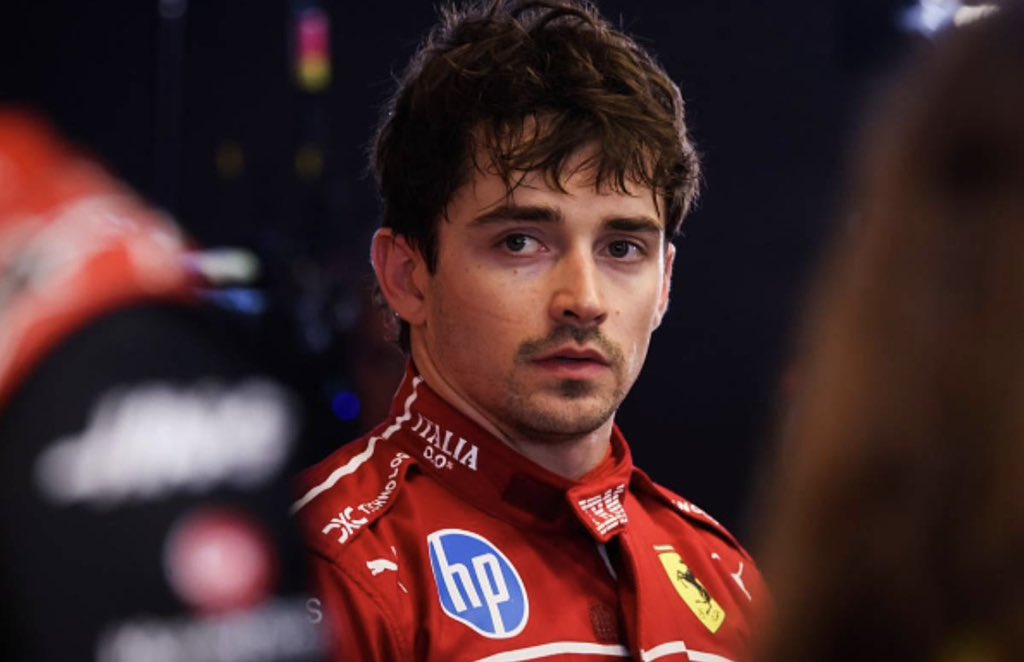
McEvoy subsequently published an opinion column criticising Leclerc’s conduct, describing the Monegasque as a “sneaky little bastard”.
The journalist later defended the remark, reportedly characterising it as light-hearted and intended as a joking comment rather than a serious personal attack.
However, the FIA apparently considered the language inappropriate for a journalist operating under its accreditation system.
The incident has now escalated into one of the most unusual media disputes of the 2026 Formula 1 season. <Cite refs={[“turn102898news7″,”turn102898search1”]}/>
DAILY MAIL LAUNCHES FIERCE DEFENCE OF PRESS FREEDOM
The Daily Mail has strongly condemned the FIA’s decision, describing the suspension as an unprecedented attack on press freedom.
The newspaper’s head of sport, Chris Dean, reportedly accused the governing body of responding excessively to what he considered criticism of a driver.
His intervention has transformed the dispute into a broader confrontation between a major British newspaper and Formula 1’s governing organisation.
The newspaper’s position is that journalists should be able to criticise drivers and team personnel without facing restrictions that prevent them from covering races.
However, the FIA’s position highlights a different concern: whether accredited media representatives should be expected to maintain professional standards when reporting from the championship’s paddock.
The disagreement raises difficult questions about where legitimate criticism ends and unacceptable conduct begins.
FERRARI BOSS ALSO BECOMES A TARGET IN THE CONTROVERSY
The dispute did not end with McEvoy’s criticism of Leclerc.
In a subsequent column, the journalist reportedly accused Ferrari team principal Fred Vasseur of informing the FIA about his comments.
McEvoy also launched a personal attack on Vasseur, describing the Ferrari boss in highly insulting terms.
Those remarks have added another layer to the controversy, particularly because Vasseur is responsible for managing one of Formula 1’s most influential organisations.
The journalist’s allegations concerning Vasseur’s involvement remain his own claims and have not been independently established in the supplied reporting. <Cite refs={[“turn102898news8″,”turn102898search2”]}/>
BERNIE ECCLESTONE QUESTIONS THE FIA’S DECISION
Former Formula 1 chief executive Bernie Ecclestone has also reportedly criticised the decision to withdraw McEvoy’s accreditation.
Ecclestone expressed disbelief at the governing body’s action, arguing that the journalist should be allowed to continue covering the championship.
His comments have strengthened the criticism directed at the FIA, particularly among those who believe that media access should not be withdrawn over controversial opinions.
The intervention is significant because Ecclestone spent decades overseeing Formula 1 and has historically maintained a strong relationship with the championship’s media environment.
His defence of McEvoy adds further weight to the growing debate surrounding the punishment.
FIA’S ACCREDITATION RULES GIVE IT AUTHORITY TO WITHDRAW MEDIA ACCESS
The controversy also highlights an important aspect of Formula 1’s media accreditation system.
The FIA’s 2026 accreditation guidelines explicitly state that media accreditation is granted at its discretion and may be revoked at any time. <Cite refs={[“turn102898search16”]}/>
That provision gives the governing body considerable authority over who can access the championship’s official media environment.
However, the existence of that authority does not automatically settle whether a particular decision is appropriate or proportionate.
The current dispute demonstrates the tension between enforcing professional standards and protecting journalists’ ability to express opinions about sporting personalities and organisations.
FINAL THREE RACES NOW FACE A MAJOR MEDIA CONTROVERSY
McEvoy’s exclusion means the remaining races of the 2026 season will take place against the backdrop of an increasingly heated dispute over media access.
Las Vegas, Qatar and Abu Dhabi are among the championship’s most significant remaining events, and the absence of a veteran journalist from the paddock will inevitably attract attention.
The controversy could also encourage wider discussions about how Formula 1 manages relationships with journalists, particularly when reporting becomes critical of drivers, team principals or governing officials.
For the FIA, the challenge will be defending its accreditation policies while addressing concerns that restrictions could discourage legitimate criticism.
Ultimately, the McEvoy controversy has become much bigger than one provocative description of a Ferrari driver.
It has opened a serious debate about press freedom, accountability and the balance of power between Formula 1’s governing body and the journalists responsible for reporting on the championship.