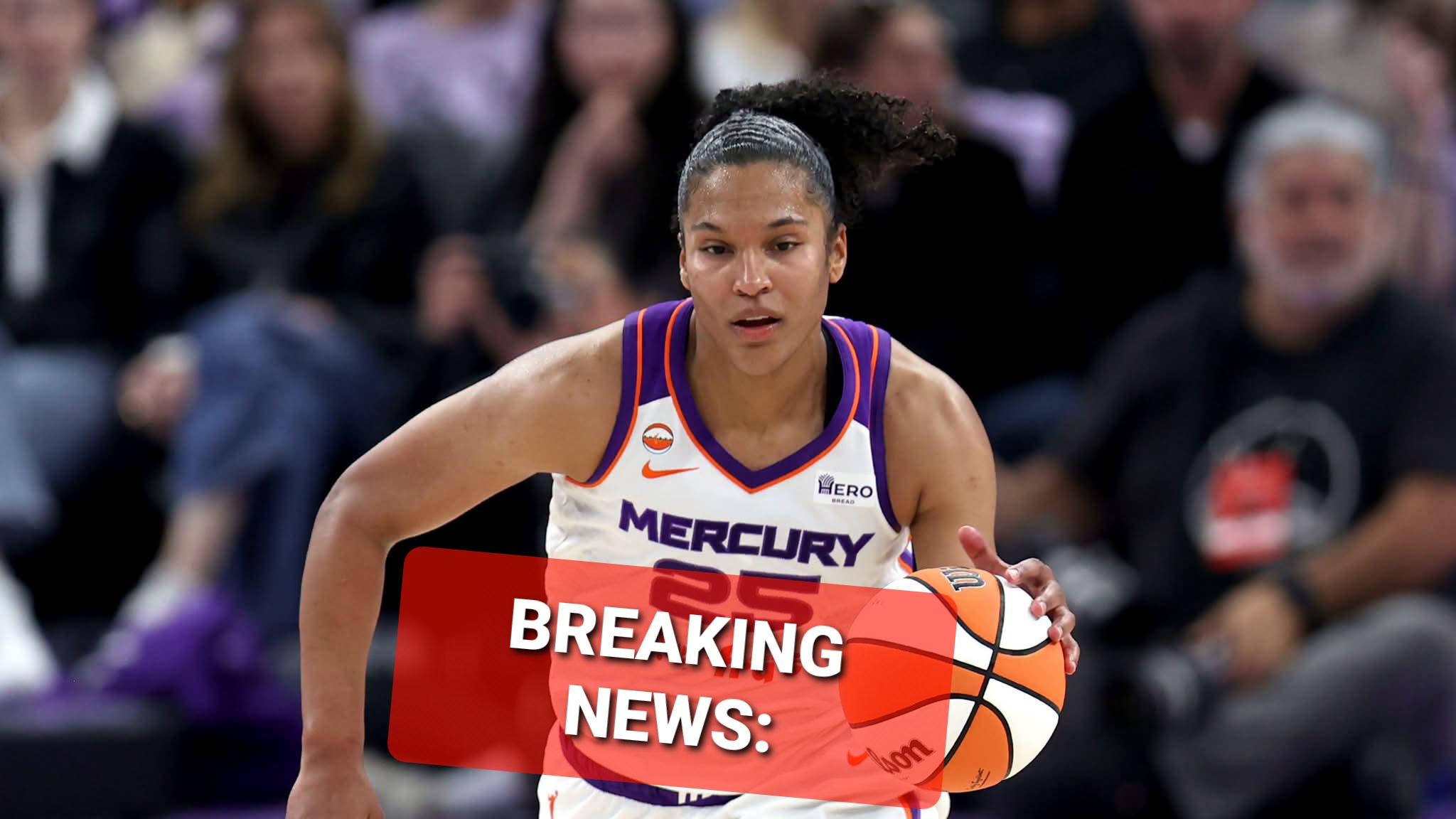
The fallout from the controversial collision involving Phoenix Mercury star Alyssa Thomas and Indiana Fever guard Caitlin Clark has taken another troubling turn. After serving a one-game suspension for a flagrant foul during last week’s highly publicized matchup, Thomas has now revealed that she has been subjected to death threats and racist abuse online, exposing the darker side of the intense attention surrounding the WNBA.
The incident, which initially centered on Clark’s injury and the league’s disciplinary decision, has evolved into a much broader conversation about fan behavior, player safety, and the responsibilities of both the WNBA and its growing audience. While emotions remain high on all sides, the latest developments highlight how quickly passionate sports debates can cross the line into unacceptable personal attacks.
THE INCIDENT THAT SPARKED THE CONTROVERSY
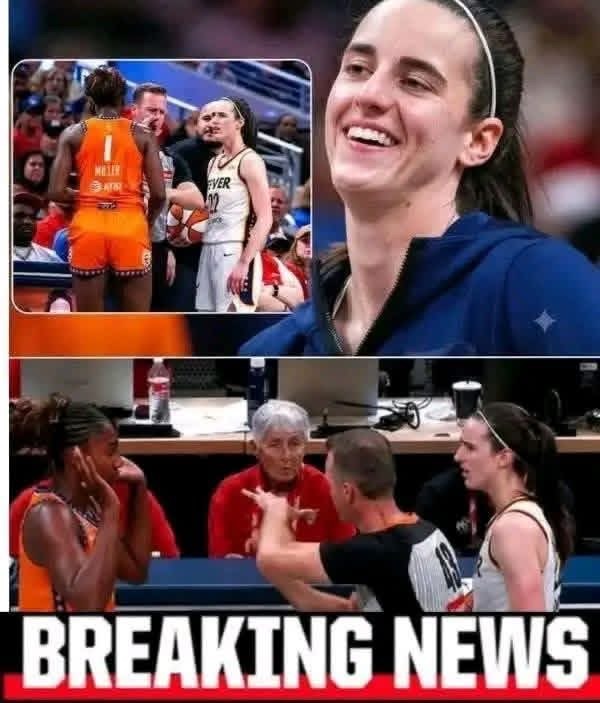
The controversy began when Thomas made contact with Clark during the Mercury’s victory over the Fever. League officials later upgraded the play to a Flagrant Foul 2 after review, resulting in a one-game suspension for the veteran forward.
The decision generated immediate debate across social media and sports media. Some believed the punishment was justified given the nature of the contact, while others argued the play was simply part of an increasingly physical style of basketball. Clark’s subsequent back injury only intensified the discussion, placing the incident under an even brighter spotlight.
Instead of fading after the suspension was announced, however, the story has continued to dominate headlines.
THOMAS SPEAKS OUT ABOUT ONLINE ABUSE
Following her suspension, Thomas disclosed that she has received death threats and has been targeted with racial slurs online. Those revelations have shifted the focus from the on-court play itself to the treatment of athletes away from the game.
Unfortunately, this is becoming an increasingly common reality across professional sports. Athletes frequently face criticism after controversial moments, but threats of violence and racist messages go far beyond legitimate discussion or disagreement.
Regardless of where fans stand on the original foul, harassment of any player cannot be justified. Constructive debate is part of sports, but personal attacks only damage the league and its community.
THE WNBA’S GROWING POPULARITY BRINGS NEW CHALLENGES
The WNBA has experienced unprecedented growth over the past two seasons, with television ratings, attendance figures, merchandise sales, and social media engagement reaching historic levels. Much of that surge has been fueled by the arrival of Caitlin Clark, whose popularity has attracted millions of new viewers.
While that increased attention has created tremendous opportunities for the league, it has also amplified every controversial moment. Games involving Clark now receive national attention that few regular-season WNBA contests previously attracted, meaning every hard foul, referee decision, and postgame comment is analyzed from every possible angle.
As the league continues to grow, managing that spotlight becomes increasingly important.
PLAYER SAFETY REMAINS A MAJOR ISSUE
The conversation surrounding Clark and Thomas has also reignited discussions about player safety. Indiana Fever officials have previously expressed frustration over what they believe is inconsistent officiating when it comes to protecting star players.
At the same time, many current and former players have defended the physical nature of professional basketball, arguing that aggressive defense has always been part of the sport. Finding the balance between allowing competitive play and preventing dangerous contact remains one of the biggest challenges facing league officials.
The WNBA must ensure that players feel protected during games while also maintaining the competitive intensity that makes professional basketball exciting.
WHY THIS MOMENT MATTERS FOR THE ENTIRE LEAGUE
This situation extends beyond Alyssa Thomas or Caitlin Clark. It reflects the growing pains of a league entering a new era of visibility.
With more fans comes greater passion, but also greater responsibility. Players should never have to fear for their safety because of reactions to events on the court. Likewise, disagreements over officiating or suspensions should never escalate into racism or threats of violence.
The WNBA, its teams, players, media personalities, and fan base all have a role to play in promoting respectful discussion while condemning abusive behavior.
WHAT HAPPENS NEXT?
The controversy surrounding the Thomas-Clark incident will likely remain part of the conversation whenever the Mercury and Fever meet again. League officials may also continue evaluating how physical plays are reviewed and disciplined moving forward.
For Thomas, the priority will be returning her focus to basketball while attempting to block out the off-court distractions. For Clark, attention will remain on her recovery and her continued impact on one of the league’s fastest-rising teams.
As the WNBA continues its remarkable growth, moments like these serve as important reminders that increased popularity brings both opportunities and responsibilities. The league’s future success will depend not only on the incredible talent displayed on the court but also on creating an environment where competition thrives without allowing hostility and abuse to overshadow the game itself.