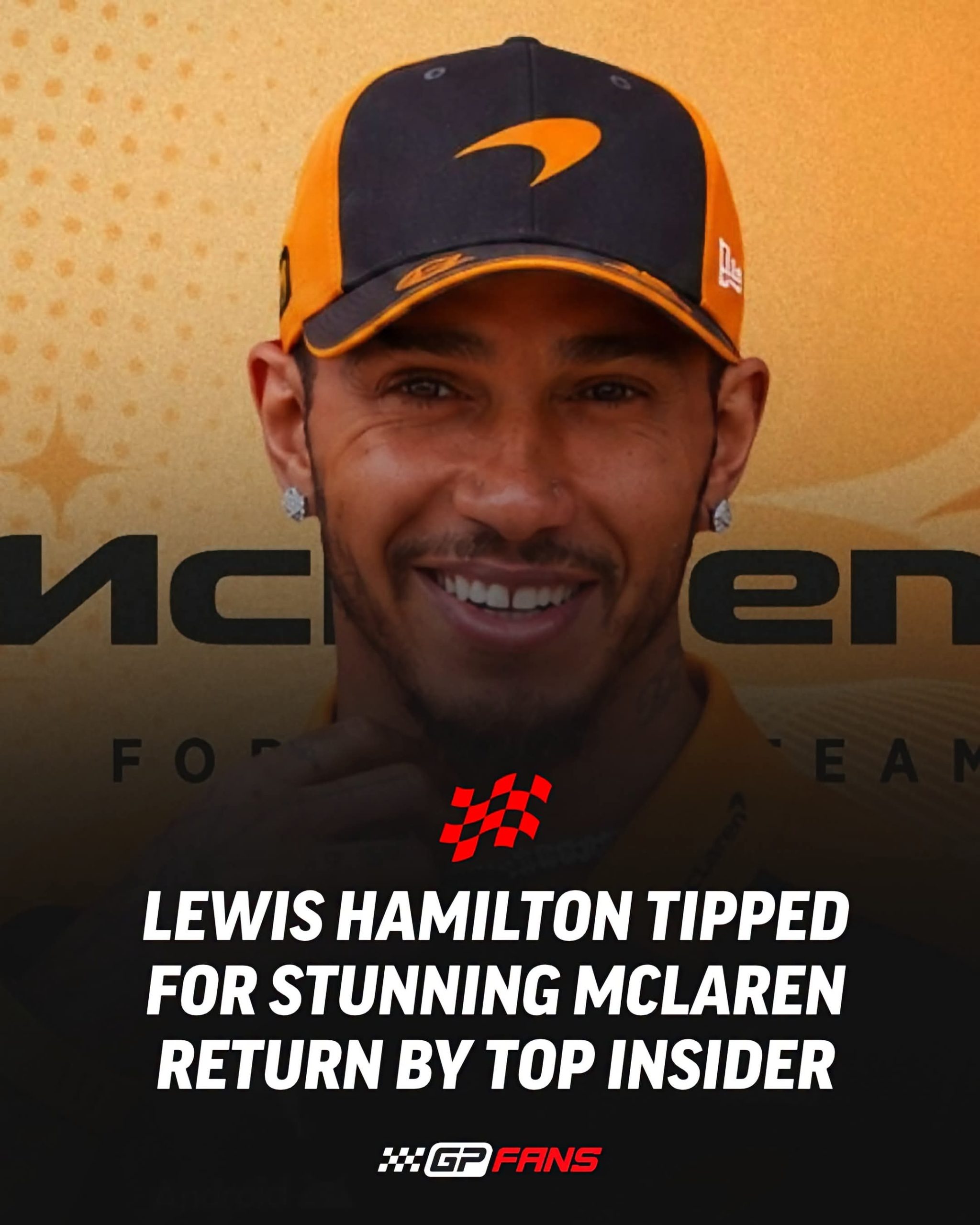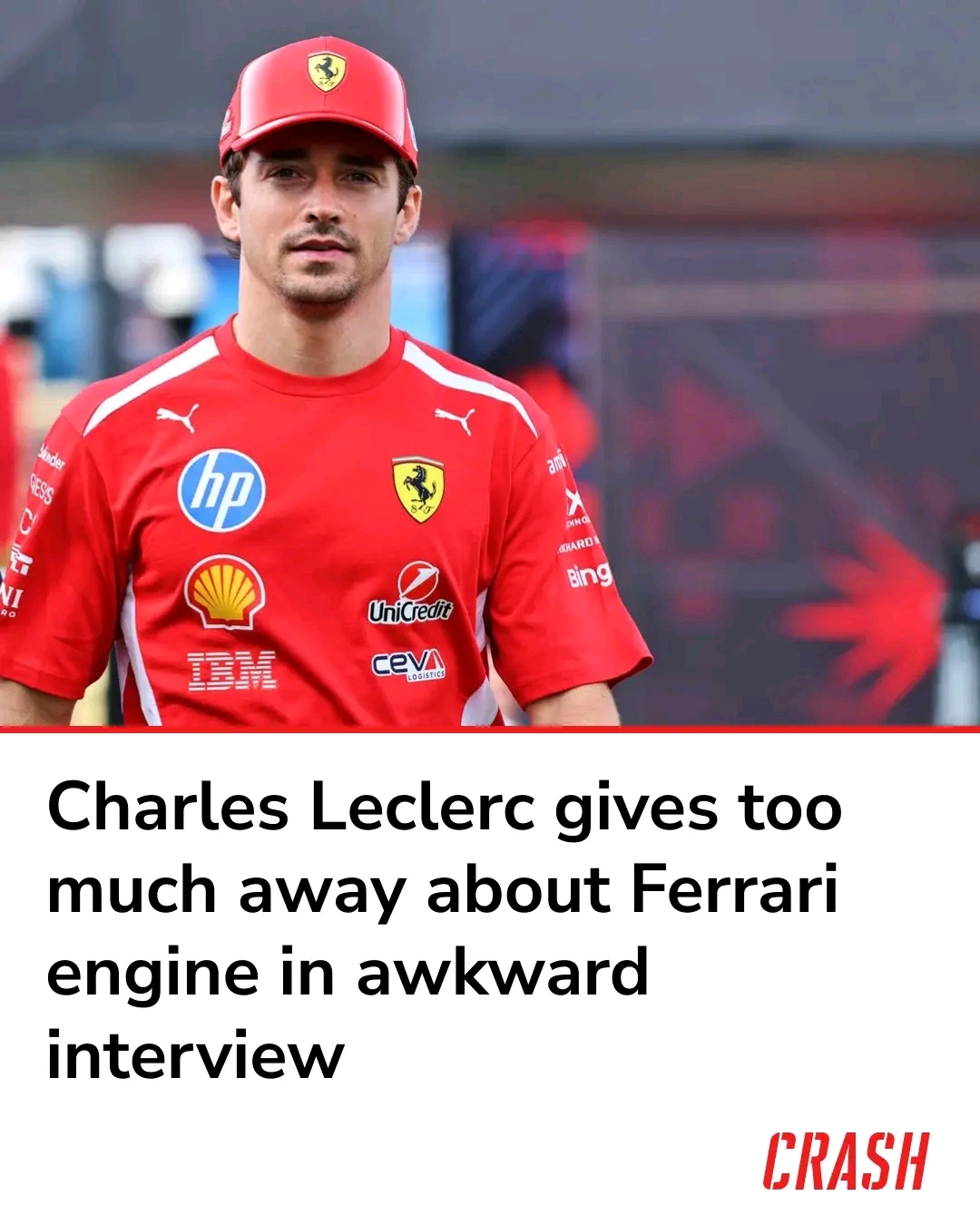
Ferrari’s decision to bring Lewis Hamilton to Maranello was one of the biggest moves in modern Formula 1 history. The arrival of a seven-time world champion was expected to transform the Scuderia’s championship ambitions, bring invaluable experience to the garage and help deliver the team’s long-awaited return to the top of the sport.
However, putting Hamilton alongside Charles Leclerc has created a complicated dynamic that raises questions about Ferrari’s leadership, driver management and long-term direction.
A particularly striking statement attributed to Ferrari team principal Frédéric Vasseur has added another dimension to the discussion:
“If I had known that signing Hamilton would create this kind of situation within the team, I might not have done it.”
If accurately attributed and understood in its original context, the comment suggests that the consequences of bringing Hamilton to Ferrari may have been more complicated than anticipated.
Rather than simply strengthening the team’s driver lineup, the partnership has placed Ferrari under greater scrutiny, with supporters questioning whether the benefits of having two elite drivers outweigh the challenges of managing their competing ambitions.
But is Hamilton really the problem, or has Ferrari created a situation that exposes deeper weaknesses in its championship strategy?
FERRARI’S BIGGEST SIGNING CAME WITH ENORMOUS EXPECTATIONS
Hamilton’s arrival at Ferrari was never going to be an ordinary driver transfer.
After spending more than a decade with Mercedes and winning six of his seven world championships with the team, the British driver arrived at Maranello with an extraordinary reputation.
Ferrari was not simply signing another experienced racer. It was bringing in a driver whose technical feedback, competitive mentality and understanding of championship-winning environments could potentially help transform the organization.
Commercially, the move was equally significant.
Hamilton’s worldwide popularity brought additional attention to Ferrari, strengthened the team’s global visibility and created one of the most anticipated partnerships in recent Formula 1 history.
However, expectations inside the team were inevitably going to be enormous.
Ferrari supporters wanted victories, championship contention and evidence that the arrival of Hamilton could finally end the team’s prolonged wait for another Drivers’ Championship.
That pressure also created an uncomfortable reality: Hamilton was joining a team that already had an established leader in Leclerc.
CHARLES LECLERC’S POSITION AT FERRARI IS NOT EASY TO IGNORE
For years, Leclerc has been one of Ferrari’s most important long-term investments.
The Monegasque driver has repeatedly demonstrated exceptional qualifying speed, impressive racecraft and the ability to extract outstanding performances from difficult machinery.
His relationship with Ferrari also carries considerable emotional significance.
Leclerc grew through the team’s driver development structure before becoming its leading driver. He has experienced difficult seasons, disappointing championship campaigns and moments when Ferrari appeared capable of challenging for major honours but ultimately fell short.
Despite those frustrations, he has remained committed to the Scuderia.
This makes his position particularly interesting following Hamilton’s arrival.
Leclerc is no longer simply competing against rival teams. He now has a seven-time world champion sharing the same garage, bringing a different level of experience and expectations.
Nevertheless, Ferrari cannot afford to underestimate what Leclerc offers.
His speed, familiarity with the team’s engineering environment and understanding of Ferrari’s development direction make him an extremely valuable asset.
If the team manages his relationship with Hamilton correctly, having both drivers could become a major competitive advantage.
If it gets the management wrong, Ferrari could find itself fighting internal battles while its championship rivals collect victories.
LEWIS HAMILTON’S EXPERIENCE COULD BE FERRARI’S GREATEST ADVANTAGE
It would be a mistake to view Hamilton’s signing purely through the lens of his competition with Leclerc.
The British driver brings something that cannot easily be measured through qualifying positions or championship points: experience of operating inside successful Formula 1 organizations.
Hamilton understands what it takes to win championships, manage pressure and maintain competitiveness across an entire season.
His time at Mercedes provided him with extensive experience working alongside engineers, developing cars and adapting to major technical changes.
Ferrari can potentially benefit from that knowledge.
However, experience alone does not guarantee success.
Hamilton must also adapt to Ferrari’s working culture, communication systems and engineering philosophy. Equally, the team must create an environment in which his feedback is considered alongside Leclerc’s rather than allowing the two drivers’ preferences to become competing development priorities.
The challenge is finding a balance between respecting Hamilton’s achievements and recognizing Leclerc’s importance to Ferrari’s future.
Neither driver should automatically receive preferential treatment simply because of reputation, popularity or seniority.
Performance must remain the deciding factor.
FRED VASSEUR FACES ONE OF THE BIGGEST LEADERSHIP TESTS OF HIS CAREER
Much of the attention surrounding Ferrari’s driver situation naturally focuses on Hamilton and Leclerc.
However, the person with the greatest responsibility for maintaining harmony is team principal Frédéric Vasseur.
Managing two highly ambitious drivers requires more than establishing a set of racing rules.
It involves controlling expectations, communicating development priorities, making difficult strategic decisions and ensuring that disagreements do not damage the team’s overall performance.
Vasseur must also protect Ferrari’s wider championship ambitions.
A successful Formula 1 team cannot afford to become completely consumed by the relationship between its drivers.
The engineers, strategists and mechanics need a clear direction. Everyone must understand the team’s objectives, particularly when championship opportunities are on the line.
If Hamilton and Leclerc are given equal opportunities, Ferrari must communicate that approach consistently.
If circumstances eventually require the team to prioritize one driver in a championship battle, the decision must be based on competitive circumstances rather than personal preference.
That is where strong leadership becomes essential.
Ferrari needs a structure that allows competition without creating unnecessary division.
SHOULD FERRARI PRIORITIZE LECLERC OR HAMILTON?
This is arguably the biggest question surrounding Ferrari’s long-term strategy.
There are convincing arguments for both drivers.
Leclerc represents continuity, youth and the team’s long-term investment. He has the potential to remain at Ferrari for many more seasons and could become the central figure of a championship-winning project.
Hamilton, on the other hand, represents experience, proven championship success and an opportunity to benefit from knowledge accumulated over one of the greatest careers in Formula 1 history.
However, choosing between them too early could be a strategic mistake.
Ferrari should initially focus on building a competitive car capable of winning races consistently.
A championship-calibre machine would make the driver discussion considerably easier because the team would have two genuine contenders capable of delivering results.
The real danger is allowing the debate about who deserves priority to become more important than improving the car.
Ferrari has experienced enough disappointing championship campaigns to understand that internal politics cannot replace technical excellence.
THE REAL PROBLEM MAY NOT BE HAMILTON OR LECLERC
There is an important distinction between having two competitive drivers and having a dysfunctional driver lineup.
Formula 1’s greatest teams have frequently benefited from intense competition between teammates.
However, that competition becomes dangerous when drivers begin operating with different expectations or when the team fails to establish clear boundaries.
Ferrari’s challenge is therefore not necessarily the presence of Hamilton or Leclerc.
It is whether the organization has the leadership structure required to manage two drivers with championship ambitions.
There is also a broader technical consideration.
When two elite drivers provide different feedback about a car’s balance, handling and development direction, engineers must determine which solutions offer the greatest overall performance.
That process can become complicated if the team is constantly attempting to satisfy individual preferences rather than pursuing the fastest possible package.
Ferrari must ensure that both drivers contribute to development without turning the engineering department into a battleground for competing interests.
FERRARI CANNOT AFFORD ANOTHER MISMANAGED CHAMPIONSHIP OPPORTUNITY
The biggest concern for Ferrari supporters is that the Hamilton-Leclerc situation could become another distraction during a period when the team desperately needs consistency.
Ferrari’s history is filled with legendary drivers, unforgettable victories and championship-winning machinery.
However, its modern championship ambitions have repeatedly been frustrated by strategic mistakes, inconsistent performances and periods when the team struggled to maintain competitiveness across an entire season.
The arrival of Hamilton was supposed to help change that narrative.
Instead, the team must ensure that its biggest signing does not create additional complications.
Mercedes and other championship contenders will not wait for Ferrari to resolve internal disagreements.
Every lost opportunity matters in Formula 1, particularly when championship battles are decided by small margins.
Ferrari needs to convert its considerable resources, technical expertise and driver talent into consistent results.
Anything less will leave supporters questioning whether the organization has learned from its previous mistakes.
WHAT SHOULD FERRARI DO NEXT?
Ferrari’s best option is to avoid making emotional decisions about either driver.
Leclerc should not receive automatic priority simply because he has spent more years at Maranello.
Likewise, Hamilton should not be given preferential treatment solely because he is a seven-time world champion.
Both drivers must be evaluated through their performances, contributions to the team and ability to deliver results.
Ferrari should also establish transparent racing guidelines.
Both drivers need to understand how team orders will work, when strategic priorities might change and what is expected of them when competing against each other.
Most importantly, the team must make its championship objectives clear.
If Ferrari has a realistic opportunity to win the Constructors’ Championship, both drivers should be encouraged to maximize their combined points.
If one driver emerges as a genuine contender for the Drivers’ Championship, the team may eventually need to make difficult strategic decisions.
That is normal in Formula 1.
What matters is making those decisions at the right time and communicating them effectively.
THE VERDICT: CHARLES LECLERC IS FERRARI’S FUTURE, BUT HAMILTON COULD STILL BE THE KEY
Ferrari does not necessarily need to choose between Hamilton and Leclerc.
It needs to build an environment in which both drivers can contribute to the same championship objective.
Leclerc remains an important part of Ferrari’s long-term identity. His speed, experience within the organization and potential make him difficult to overlook.
Hamilton brings a different kind of value. His championship experience and understanding of successful teams could help Ferrari improve its approach to competing at the highest level.
But neither driver’s reputation will matter if Ferrari cannot provide them with a consistently competitive car.
Ultimately, the responsibility rests with the organization and its leadership.
Vasseur must demonstrate that Ferrari can manage two ambitious drivers without allowing their individual battles to overshadow the team’s priorities.
The most successful outcome would not be Hamilton defeating Leclerc or Leclerc proving that Ferrari made the wrong decision by signing Hamilton.
It would be both drivers helping Ferrari return to the top of Formula 1.
For now, the biggest question is whether Ferrari has the leadership and technical direction to make that happen.
WHO SHOULD FERRARI BUILD ITS FUTURE AROUND: CHARLES LECLERC, LEWIS HAMILTON, OR SHOULD THE TEAM CONTINUE GIVING BOTH DRIVERS EQUAL OPPORTUNITIES?
One thing is certain: Ferrari’s championship ambitions must come before individual egos.