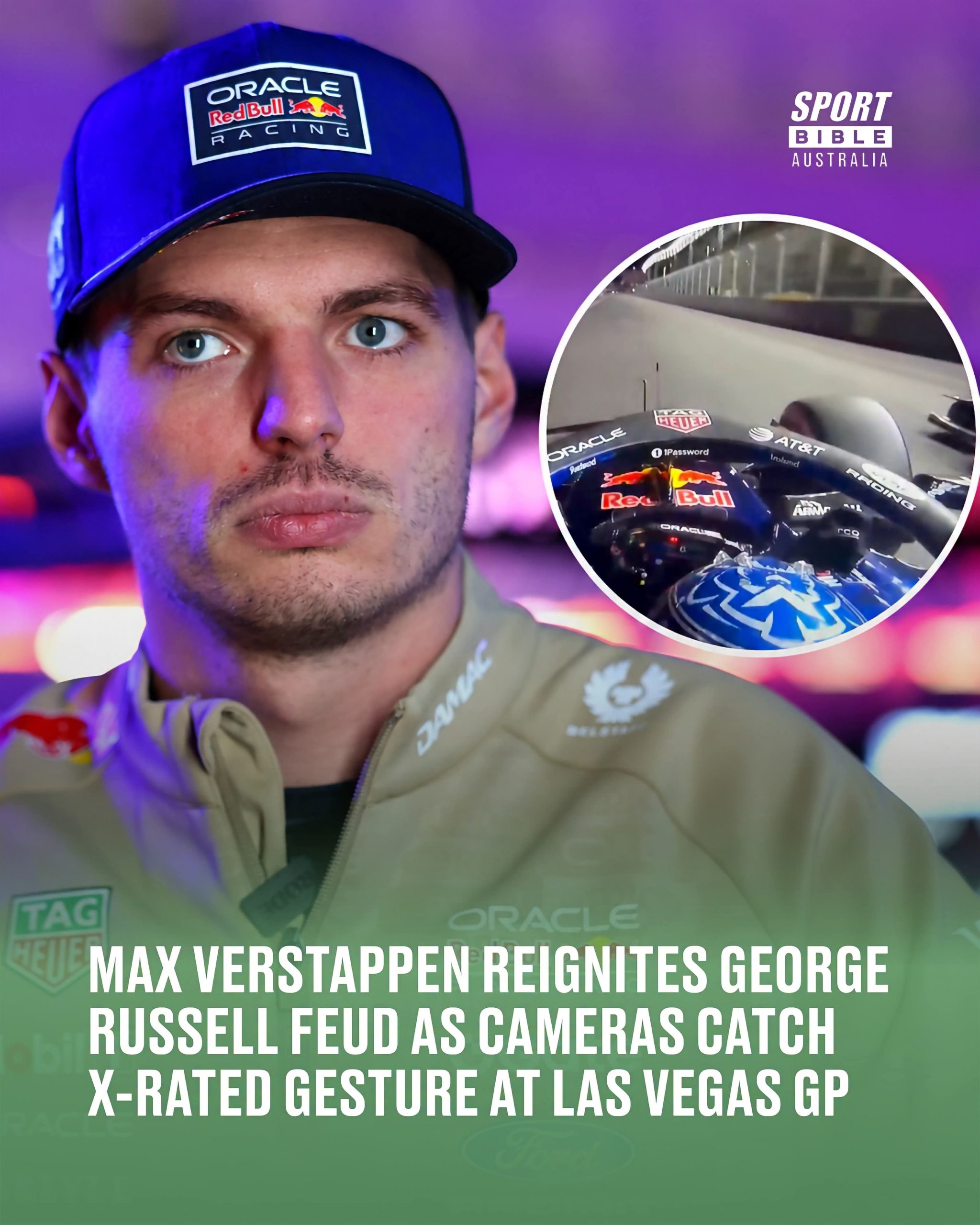
Max Verstappen does not hide how he feels. Speaking in Las Vegas this weekend, the four-time Formula 1 world champion made it clear that the final two races of the 2026 season are not where he would choose to be right now.
“Am I comfortable with it? No. I’d rather stay at home,” Verstappen told Dutch media. He pointed to the rockets still flying in countries around Qatar and Abu Dhabi and said the proximity of conflict makes the whole situation feel far from ideal. At the same time, he accepted the decision already taken by Formula 1 and the FIA. Guarantees have been given. The races are going ahead. He will be there.
That mix of personal discomfort and professional pragmatism captures the awkward reality facing the entire paddock as the championship heads into its closing double-header.
WHY VERSTAPPEN’S COMMENTS HIT HARDER THAN USUAL
Verstappen has never been one for diplomatic fluff. Earlier in the season he said the sport should not race in the Middle East while war was nearby, contracts or not. Those remarks caused a stir. In recent days he has softened the public stance, saying he trusts F1 and the FIA because they have more intelligence than the drivers. The latest comments from Las Vegas show the private view has barely shifted.
The timing matters. The Las Vegas Grand Prix sits just days before the paddock packs up for Qatar (27-29 November) and Abu Dhabi (4-6 December). Imola had been kept on standby as a possible alternative finale. That contingency has now been stood down. The calendar is locked. Drivers, teams, and organisers are committed.
For a driver of Verstappen’s stature, the statement carries weight. He is not a fringe voice. When the championship leader — or the man who has dominated much of the recent era — says he would rather be at home, it underlines that safety concerns are not theoretical for the people who actually have to travel and race.
THE BIGGER PICTURE FOR FORMULA 1 AND THE REGION
Formula 1 has deep commercial ties to the Middle East. Qatar and Abu Dhabi are long-term partners. The races deliver prestige, significant revenue, and a high-profile season finale under the lights. Cancelling or moving them late in the year would have been messy and expensive. Organisers have repeatedly stressed that safety remains the priority and that the situation is being monitored continuously.
Still, the context is uncomfortable. Regional tensions have already forced earlier calendar changes this season. Other series have faced their own dilemmas. MotoGP ran its Qatar event amid similar worries and some manufacturer withdrawals. The contrast is noticeable: motorcycle racing saw more public pushback; Formula 1 has projected a more unified front of acceptance once the decision was confirmed.
For the athletes the calculation is personal. Drivers spend most of the year living out of suitcases. Adding genuine security anxiety on top of the usual pressure of a championship fight is no small thing. Teams must manage staff welfare, insurance, logistics, and the mental load on everyone from mechanics to hospitality crews. A driver saying he would rather stay home makes those internal conversations harder to ignore.
WHAT THIS MEANS FOR THE CHAMPIONSHIP AND THE SPORT
On pure sporting terms the races still matter. Points are still available. Titles can still be decided or confirmed. Verstappen’s competitive focus is unlikely to waver once the helmet goes on. History shows top drivers compartmentalise remarkably well. The concern is more about the atmosphere surrounding the events and the longer-term signal it sends.
Formula 1 wants to be a truly global sport. That ambition requires racing in politically complex regions. The current situation tests how far that ambition can stretch when real-world conflict sits nearby. Fans, sponsors, and governments will all form their own views on whether the sport has struck the right balance between commercial commitment and caution.
Verstappen’s honesty may actually help the conversation. By stating the discomfort out loud while still accepting the official decision, he avoids both blind loyalty and open rebellion. It is a middle path that many in the paddock seem to be walking privately.
LOOKING AHEAD: PREDICTIONS AND OPEN QUESTIONS
Expect the races to go ahead unless the security picture changes sharply in the coming days. Organisers have been clear they will not hesitate to reverse course if needed. Drivers will arrive, race, and leave as professionally as possible. The real test will be whether any further incidents occur in the wider region that force a late rethink.
Longer term, Formula 1 may need clearer, more transparent criteria for when a race is considered safe enough. Contracts are important. So is the trust of the people who put their bodies and careers on the line every weekend. Verstappen’s comments are a reminder that those two things are not always perfectly aligned.
For now the four-time champion will pack his bags for the Gulf. He would rather stay home. He is going anyway. That tension — personal preference versus professional obligation — may be the most honest summary of where Formula 1 finds itself at the end of a turbulent season.