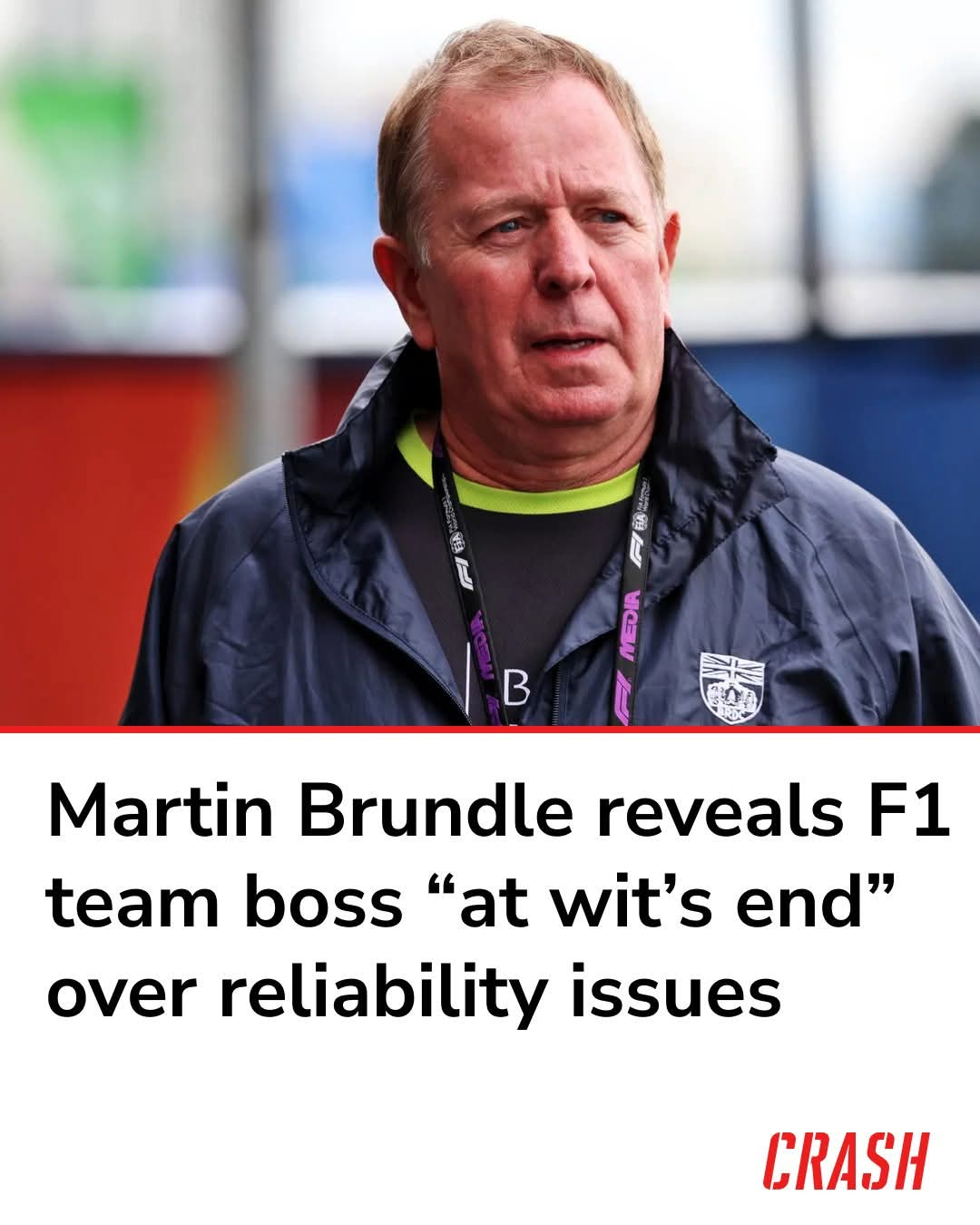
Martin Brundle did not mince words during the Sao Paulo Grand Prix broadcast. Speaking live on Sky Sports F1 after yet another retirement, the veteran commentator revealed that Aston Martin owner Lawrence Stroll is “at his wit’s end” over the team’s endless reliability problems. The remark landed like a blunt assessment of a campaign that has gone from high expectation to public frustration.
Lance Stroll’s latest exit came with a battery-related failure in the rain-affected Interlagos race. It was the Canadian’s 13th retirement in 20 starts this season. One more and he matches the grim Formula 1 record of 14 non-finishes in a single year, a mark shared by Andrea de Cesaris in the mid-1980s and Rubens Barrichello with Stewart in 1997. Fernando Alonso, after a strong qualifying, also faded from the points. The result left Aston Martin scraping near the bottom of the constructors’ table, ahead of only the new Cadillac operation.
Brundle’s comments went further than simple observation. He described a private conversation with Stroll in which the billionaire owner expressed open uncertainty about the path forward. The problems, according to the commentary, sit squarely with the power unit partnership: the battery pack, the energy recovery system, and a persistent power deficit that has left the cars struggling both to finish races and to compete on pure pace.
WHY THIS FRUSTRATION MATTERS BEYOND ONE BAD AFTERNOON
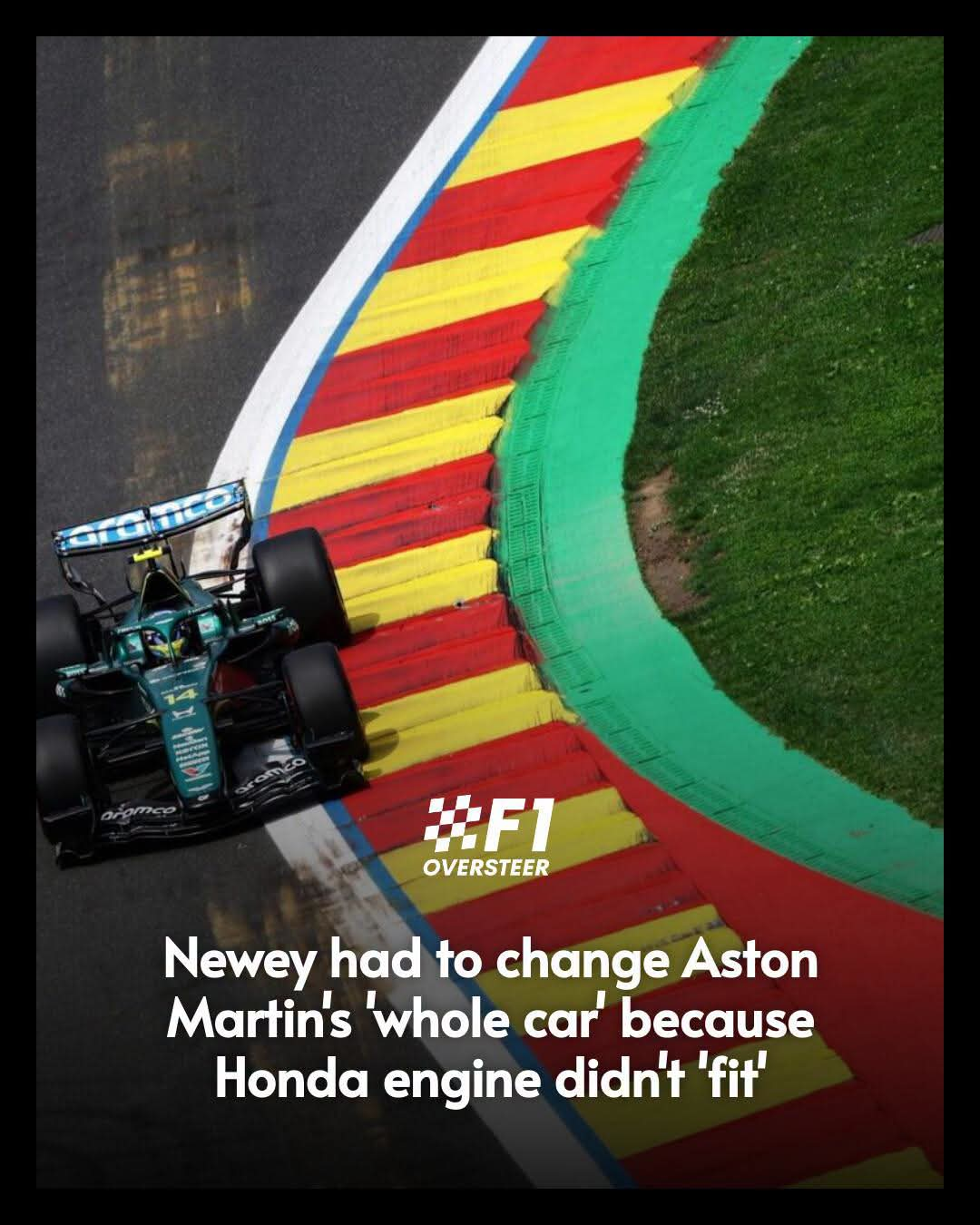
Reliability failures in Formula 1 are never just mechanical footnotes. They erode driver confidence, waste precious development time under the cost cap, and damage the commercial story a team tries to sell sponsors and fans. For Aston Martin, the stakes are higher than most. Lawrence Stroll has invested heavily in facilities, personnel, and the high-profile Honda engine deal that was meant to power a genuine step into the front half of the grid under the new 2026 regulations. Instead, the partnership has delivered a season of stoppages and damage limitation.
Lance Stroll’s DNF tally is particularly damaging. A driver who retires from nearly two-thirds of the races cannot build momentum, cannot score consistent points, and cannot silence the external noise that always surrounds a pay-driver narrative—even when the car itself is the primary culprit. Alonso, a two-time world champion still capable of extracting everything from imperfect machinery, has been left fighting for scraps and managing expectations. Both drivers are living through the professional equivalent of running on a treadmill that keeps shutting down.
For Honda, the optics are equally uncomfortable. The Japanese manufacturer returned to Formula 1 with ambition and resources. Being the sole supplier to a team that cannot complete races creates a data deficit. While rival manufacturers benefit from multiple customer teams gathering information, Honda’s learning loop is constrained every time an Aston Martin parks at the side of the track. That snowball effect is hard to reverse mid-season.
THE DEEPER STRUCTURAL PROBLEMS BEHIND THE DNFS
The 2026 power unit regulations placed greater emphasis on electrical power and energy management. Teams that solved the battery and ERS packaging early gained a reliability buffer. Aston Martin and Honda appear to have spent much of the year chasing fundamental issues rather than optimising performance. Brundle’s pointed questions—about different people, different ideas, and the core power unit problems—suggest the frustration inside the team has reached the owner level. When the man writing the cheques no longer knows the next move, the organisation is in crisis mode.
This is not a sudden collapse. The team has battled speed and reliability shortfalls since the opening rounds. Early-season assessments already flagged that meaningful progress might not arrive until 2027. That prediction is looking increasingly accurate as the calendar winds down. Under the cost cap, every retirement also means lost track time for development parts and setup learning. The competitive gap compounds.
WHAT THIS MEANS FOR THE BROADER F1 LANDSCAPE
Aston Martin’s struggles highlight a wider truth about the current regulatory era. Manufacturer partnerships carry enormous risk when the power unit is the limiting factor. Mercedes and Ferrari customers have generally enjoyed more robust packages. Honda’s exclusive arrangement with Aston Martin means both parties succeed or suffer together. That concentration of risk is now on full display.
The constructors’ championship battle at the sharp end continues without them. Points that might have been available in a more reliable car are instead distributed among midfield rivals. For a team that once talked about challenging for podiums and titles, the current ranking is a commercial and sporting setback. Sponsors notice. Fans notice. Potential future partners notice.
There is also a human cost. Engineers and mechanics who work long hours to prepare cars that then fail on track absorb repeated disappointment. Driver motivation becomes harder to maintain when the outcome feels predetermined by hardware rather than skill. Stroll’s public display of frustration, filtered through Brundle, may serve as a necessary signal that the current approach is not sustainable.
LOOKING AHEAD: HARD CHOICES AND REALISTIC TIMELINES
The remaining races offer limited opportunity for redemption in 2026. The priority has shifted from results to understanding the root causes of the battery and ERS failures. Honda has indicated that identifying the full root cause may still take time. That admission itself is telling.
For 2027, the questions Brundle raised remain relevant. Will Aston Martin push for personnel changes on the power unit side? Will Honda restructure its F1 operation? Can the chassis and aerodynamic group, which includes high-profile talent, finally get a reliable platform to work with? The answers will determine whether the team can begin climbing back or whether another difficult season awaits.
Lawrence Stroll did not build a successful business career by accepting stagnation. His visible frustration suggests internal pressure is rising. In Formula 1, that pressure can produce clarity and decisive action—or it can produce more of the same if the underlying technical problems prove stubborn.
The Sao Paulo retirement was just one more data point in a long list. The significance lies in the reaction it provoked from the man at the top. When the owner is described as being at his wit’s end, the reliability crisis has moved from technical problem to organisational emergency. How Aston Martin and Honda respond in the coming months will shape not only their 2027 prospects but the credibility of their entire project under the new regulations.
Formula 1 rewards those who solve hard problems under pressure. Right now, Aston Martin is still searching for the solution.