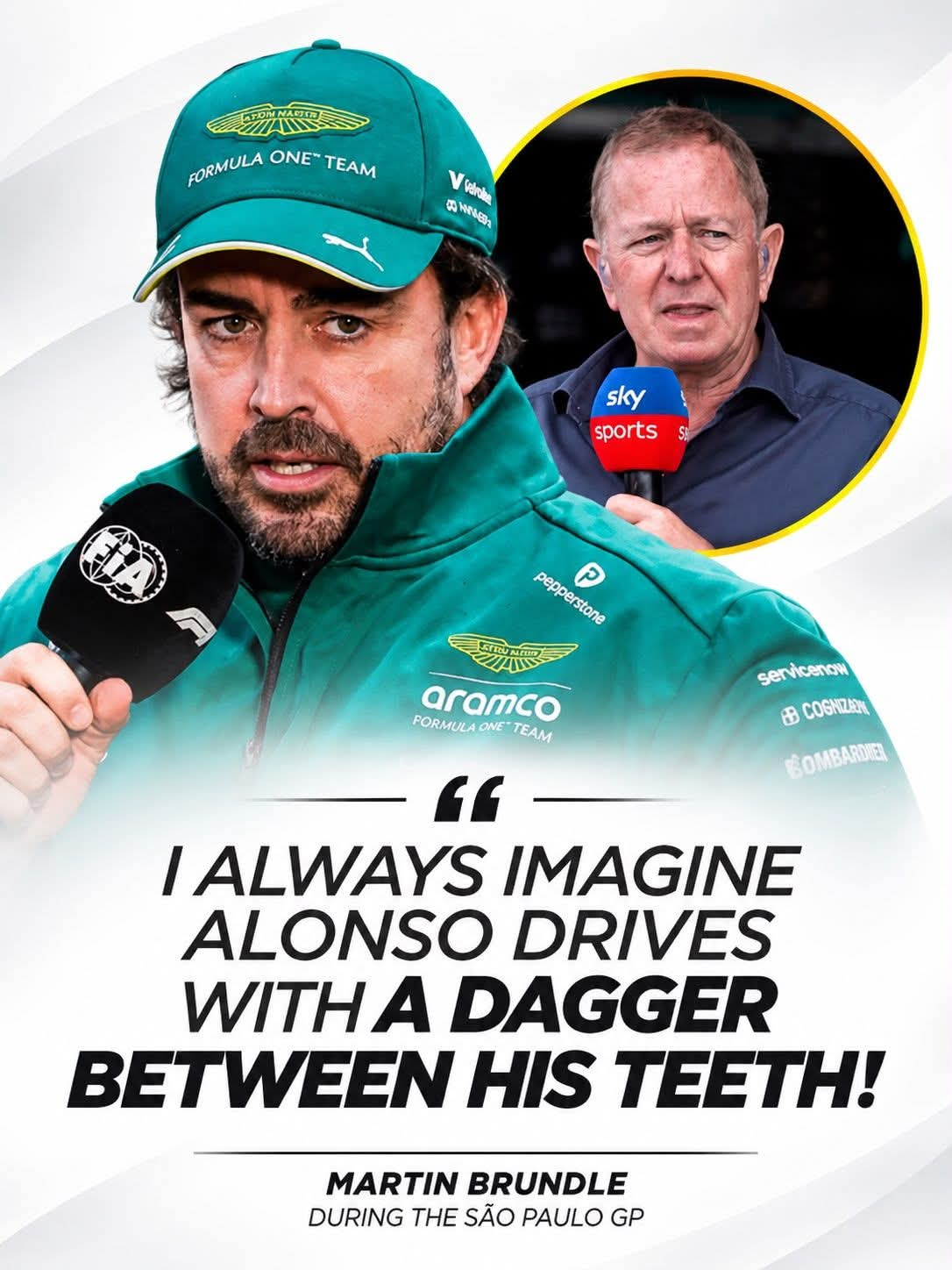


At an age when most Formula 1 drivers have long since stepped away from the cockpit, Fernando Alonso continues to defy the calendar. The two-time world champion turned 45 in July 2026, yet the grit, determination, and competitive edge that defined him as a 19-year-old rookie at Minardi remain undimmed. The question hanging over the paddock is no longer whether he still belongs on the grid. It is how many more seasons fans will get to watch one of the sport’s most relentless competitors.
THE CONTRACT THAT TOOK FIVE MINUTES AND YEARS OF SOUL-SEARCHING
In late September 2026, Aston Martin confirmed what many suspected but few took for granted: Alonso and teammate Lance Stroll would continue together in 2027. The Spaniard’s new deal ensures he will race past his 46th birthday. According to Alonso, the formal conversation with team owner Lawrence Stroll lasted about five minutes. Both sides already knew what they wanted.
That simplicity masked deeper reflection. Alonso admitted he spent months weighing his future. The 2026 season has been difficult. Aston Martin’s first year under the new regulations and with Honda power has yielded meager results—Alonso has scored nearly all of the team’s points while often fighting from the lower reaches of the midfield. He has openly said he has “no guarantees that 2027 will be more fun.” Yet the fire remained.
“Racing is my life, my passion, and I know I still have the speed and determination to compete at the highest level,” Alonso said in the team’s announcement. In private interviews he went further, stating he still feels as fast as anyone and that the thought of watching races from the couch feels wrong while that belief holds.
**WHY THIS STILL MATTERS TO FORMULA 1**
Alonso’s continued presence carries weight far beyond one driver’s personal ambitions. He holds the record for most Grand Prix starts—already past 440—and remains the oldest active driver on the grid by a clear margin. His longevity challenges long-held assumptions about the physical and mental demands of modern Formula 1. In an era of younger champions and intense competition for seats, a 45-year-old still extracting maximum performance from a difficult car sends a powerful message about experience, preparation, and pure competitive will.
For Aston Martin, retaining Alonso provides continuity and high-level feedback at a critical stage of the team’s rebuild under Adrian Newey’s technical leadership. The Spaniard’s ability to extract performance and diagnose issues remains elite even when the car is uncompetitive. For the sport itself, Alonso represents a living link across generations. Drivers who were not yet born when he made his debut in 2001 now share the grid with him. His presence elevates the narrative of every race weekend.
THE ROOKIE MINDSET THAT NEVER LEFT
What stands out is not simply that Alonso is still racing, but how he races. The same sharp instincts, the same refusal to accept mediocrity, and the same capacity to produce results above the car’s apparent level that marked his early career are still visible. Moments such as his drive to points in the Netherlands or strong wet-weather performances later in the season remind observers that the talent has not faded even if the machinery has lagged.
Alonso has repeatedly credited his two-year sabbatical between 2019 and 2021 as essential to his longevity. Stepping away allowed him to reset mentally, explore other forms of racing, and return with renewed hunger. That decision, once viewed as a potential career-ender, now looks like one of the smartest moves of his long career. Without it, racing into his mid-40s would likely have been impossible.
HOW MUCH LONGER CAN THIS CONTINUE?
Alonso has been careful not to set a hard end date. He has said he does not view 2027 as his final season and believes he can continue for several more years if the motivation and competitiveness remain. “I don’t think this will be my last year in Formula 1,” he told Spanish media. He organizes his life more efficiently now, manages travel and commitments better, and still feels that competitive edge.
Realistic predictions must account for the car. Aston Martin’s recovery trajectory under Newey and Honda will heavily influence Alonso’s willingness to continue. Significant progress in 2027 could easily lead to another extension. Stagnation would make the decision harder. Yet Alonso has never been driven purely by results. The act of competing at the highest level itself remains the primary fuel.
Broader industry trends also favor longer careers when drivers maintain elite fitness and mental sharpness. Advances in physical preparation, recovery science, and car ergonomics have extended competitive windows. Alonso is both beneficiary and standard-bearer of that shift. His example may encourage other veterans to stay longer or younger drivers to plan careers with greater longevity in mind.
THE BIGGER PICTURE FOR ATHLETES AND THE SPORT
Alonso’s story resonates beyond Formula 1. In an age obsessed with youth and early specialization, a 45-year-old still performing at the sharp end of the world’s most demanding motorsport championship challenges cultural assumptions about peak performance. It underscores the value of experience, adaptability, and sustained motivation. For teams and leagues, it raises practical questions about how to value veteran drivers who can still deliver and mentor while remaining competitive.
For fans, the emotional payoff is clear. Watching Alonso still fight, still overtake, and still refuse to concede anything keeps the romantic ideal of the racing driver alive. The grit that defined the teenager from Oviedo has not been diluted by time, titles, or setbacks. It has simply matured.
How many more years will we see Fernando Alonso in Formula 1? The most honest answer is that it depends less on the calendar than on whether the fire still burns. As of late 2026, that fire shows no sign of going out. The rest of the grid—and the sport itself—will be richer for as long as it continues.