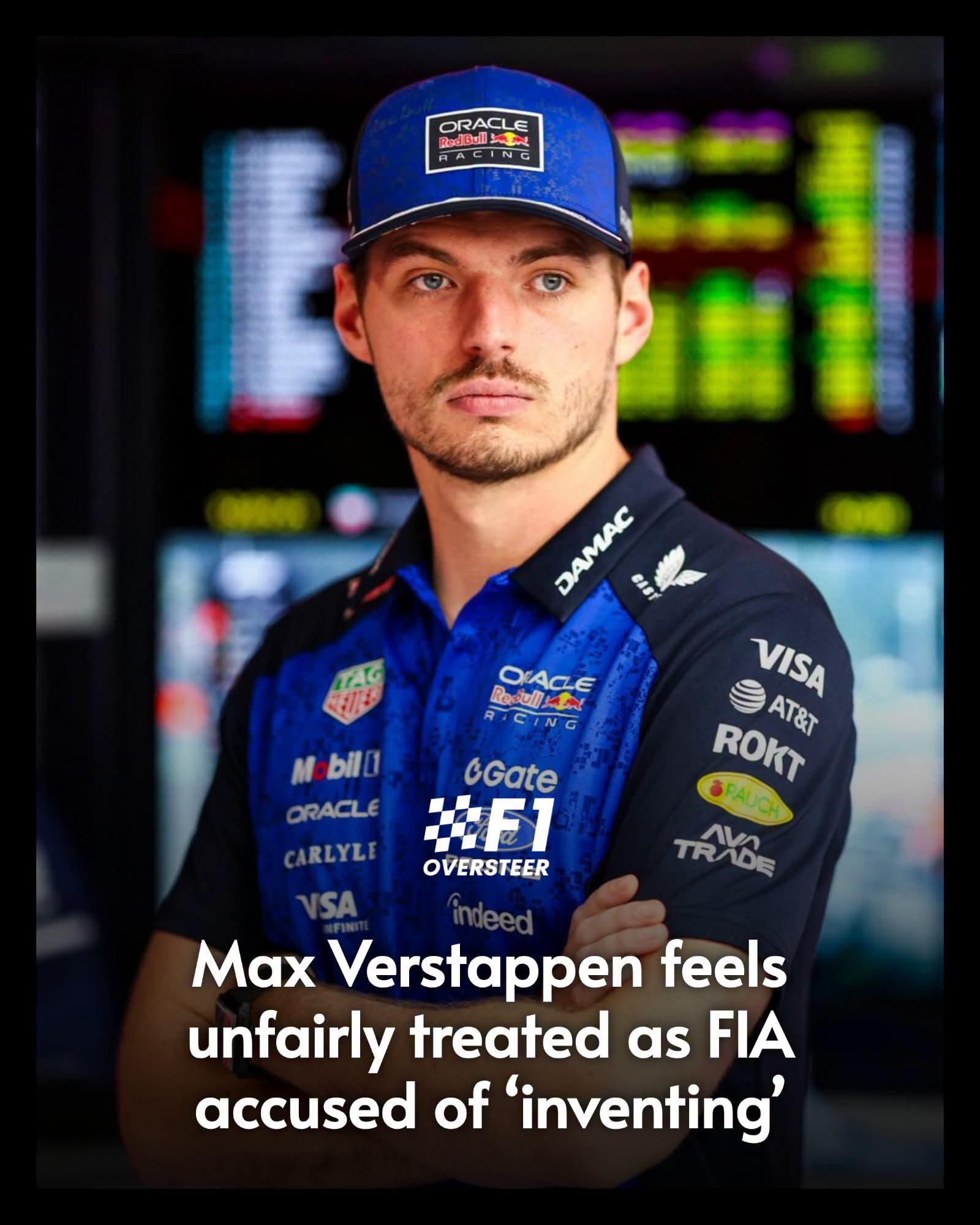
Max Verstappen has questioned the consistency of Formula 1’s stewards after receiving an unusual one-place grid penalty for his collision with Liam Lawson during second practice at the Mexican Grand Prix. The Red Bull driver believes the FIA is introducing new punishments for incidents that would traditionally have been handled differently, raising fresh questions about how consistently racing standards are being applied. Verstappen will start Sunday’s race from fifth after initially qualifying in a position that would have placed him fourth.
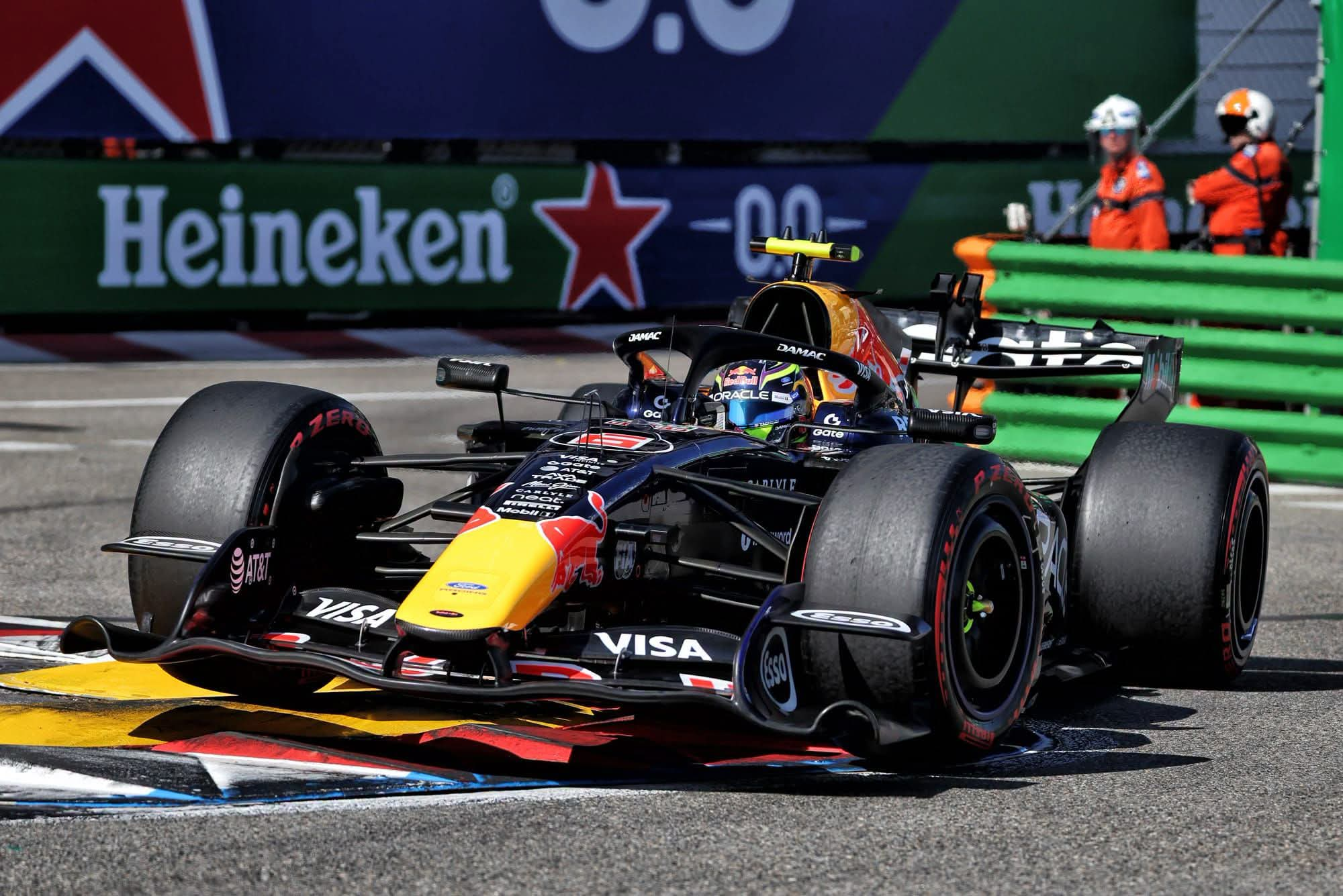
The controversy began during FP2 when Verstappen and Lawson went wheel-to-wheel before making contact. The incident immediately attracted attention, particularly because Lawson previously raced for Red Bull and remains connected to the team’s wider driver programme. Red Bull officials reportedly described the collision as unacceptable, while Verstappen criticised Lawson after the session and suggested the New Zealander needed to be smarter when fighting for his Formula 1 future. The stewards eventually penalised both drivers by one position on the starting grid.
VERSTAPPEN BELIEVES THE FIA IS MAKING AN EXAMPLE OF HIM
The punishment was unusual because the stewards’ own explanation indicated that an incident of this nature would normally receive a warning. However, they decided to impose penalties after the issue of similar on-track behaviour had previously been discussed with team managers. Their decision suggests the FIA wanted to send a clear message to drivers about the limits of aggressive racing.
Verstappen was not particularly surprised by the outcome, but his comments after qualifying suggested that he believes the decision fits into a wider pattern. Asked whether he felt the stewards were making an example of him, he replied: “Yes, I don’t want to say too much about that. It is what it is.” His response was brief, but it indicated that he was unhappy with how the situation had been handled.
FIA’S NEW PENALTY APPROACH SPARKS ANOTHER DEBATE
Verstappen was even more direct when speaking to Sky Sports, questioning the introduction of a punishment that he considered unfamiliar. “It’s a new one that penalty! We will keep inventing new ones I guess,” he said.
His comments expose a significant challenge facing Formula 1’s governing body. Drivers need clear and predictable regulations, particularly when racing aggressively for position. If stewards begin applying unusual punishments to incidents that would previously have resulted in warnings, competitors may struggle to understand where the boundaries are.
However, the FIA also has a responsibility to prevent dangerous or unnecessary contact. A warning does not always guarantee that drivers will change their behaviour, and the stewards may believe stronger action is necessary to discourage repeated incidents. The real test will be whether similar situations involving other drivers receive comparable treatment.
LAWSON’S QUALIFYING DISQUALIFICATION MAKES THE SITUATION WORSE
The consequences became even more significant for Lawson after the Racing Bulls driver was disqualified from qualifying because of a separate technical infringement. His original eighth-place qualifying result had already been reduced by the one-place penalty from the Verstappen incident. The subsequent disqualification means he will start the Mexican Grand Prix from the back of the grid.
That development changes the significance of the original clash. Verstappen will still have a challenging race ahead from fifth, but Lawson faces a much bigger recovery task. The New Zealander will need to fight through the field, manage tyre strategy and avoid further incidents if he hopes to score valuable points.
VERSTAPPEN AND THE FIA FACE ANOTHER TEST OF TRUST
This controversy arrives at a time when Verstappen’s relationship with the FIA’s decision-making process is once again attracting attention. The Dutchman has never been reluctant to express frustration when he disagrees with officials, and his latest remarks suggest that he remains unconvinced by the consistency of certain stewarding decisions.
Nevertheless, the FIA cannot allow drivers’ reputations or championship positions to influence its decisions. Verstappen should be judged by the same standards as every other competitor, just as Lawson and the rest of the grid should be. If the governing body wants drivers to accept its authority, it must ensure that its explanations are clear and its punishments are consistent.
The Mexican Grand Prix could now provide another important talking point beyond the championship battle. Verstappen will be looking to recover positions, while Lawson faces the difficult task of climbing from the back. But the bigger question surrounding this incident is whether the FIA has established a fairer standard for wheel-to-wheel racing or simply created another source of confusion for Formula 1’s drivers.