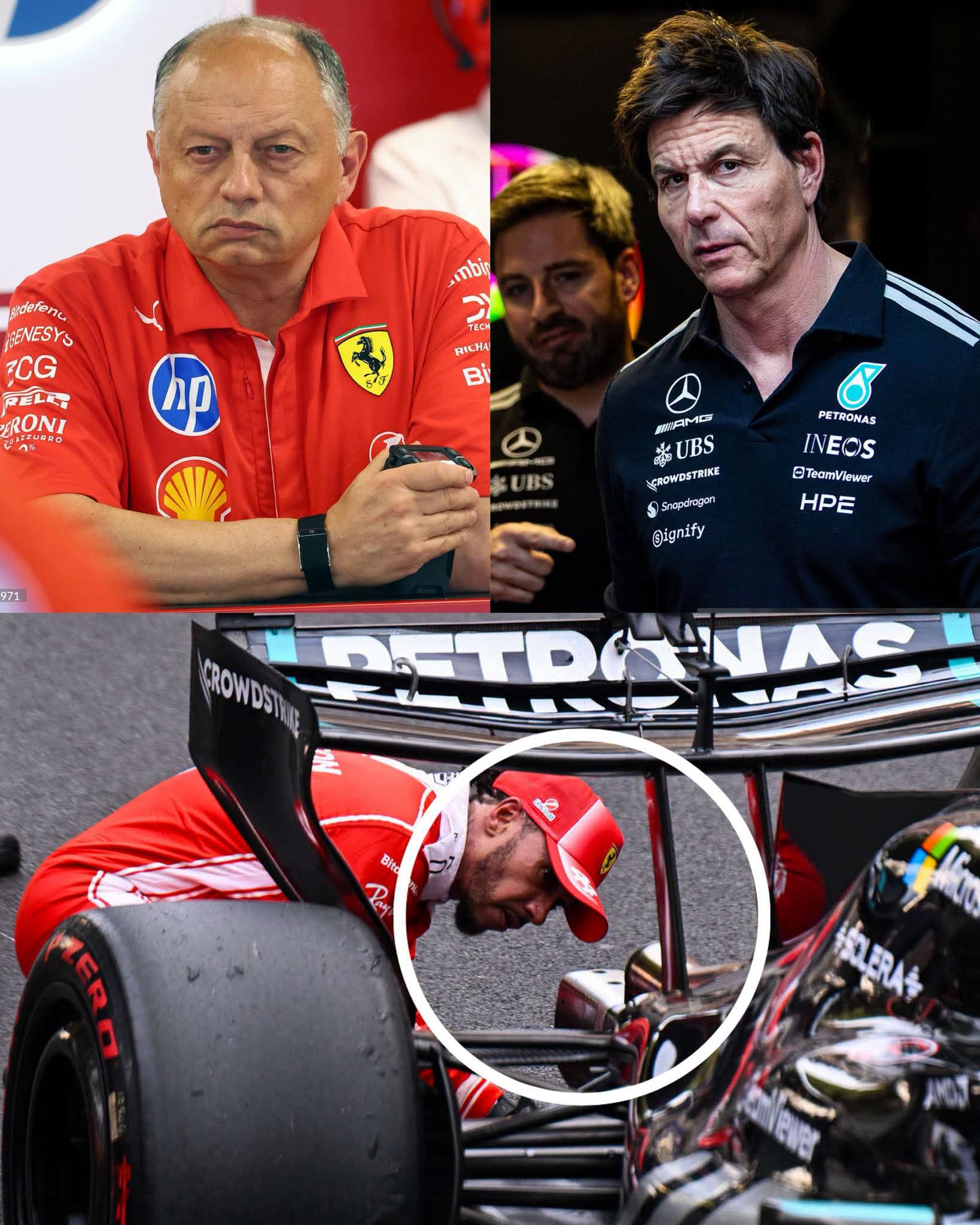
HAMILTON SEEKS ANSWERS FOLLOWING UNEXPECTED MONACO SANCTION
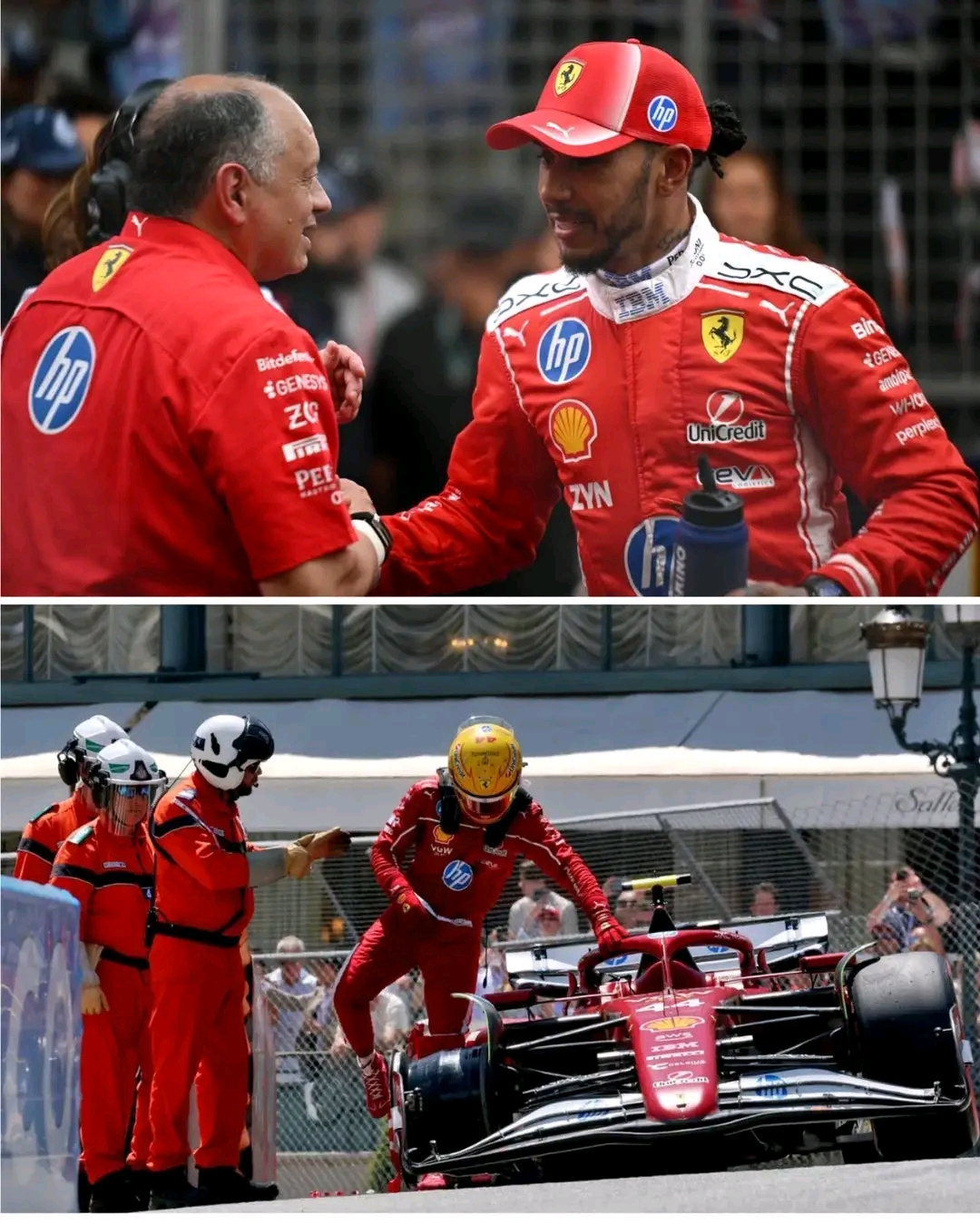
The aftermath of the Monaco Grand Prix delivered more than just celebrations and podium interviews. While Lewis Hamilton secured another strong result for Ferrari, the seven-time Formula 1 world champion left the Principality with serious concerns about the accuracy of the FIA’s race monitoring systems.
Hamilton’s frustration centered on a controversial penalty that he believes may have been triggered by faulty or inaccurate data rather than an actual driving infringement. The incident has sparked debate throughout the Formula 1 paddock, raising important questions about the increasing reliance on technology in modern motorsport.
For a sport built on precision measured in thousandths of a second, even the slightest technological error can have major consequences.
WHY THE PENALTY HAS BECOME A TALKING POINT
Formula 1 has evolved into one of the most technologically advanced sports in the world. Every car carries hundreds of sensors that continuously monitor speed, positioning, telemetry, tire performance, and countless other variables.
When penalties are issued, teams generally trust that the data behind those decisions is accurate. However, Hamilton’s public comments suggest he is not fully convinced that the system worked correctly during the Monaco weekend.
The Ferrari driver reportedly questioned whether the information used by race officials accurately reflected what was happening on track. His concerns immediately drew attention because they challenge one of the sport’s fundamental assumptions: that technology provides an objective basis for stewarding decisions.
If a driver of Hamilton’s experience believes there may have been an error, the discussion naturally extends beyond a single race result.
THE GROWING ROLE OF TECHNOLOGY IN FORMULA 1
Modern Formula 1 depends heavily on automated systems.
Speed limits in the pit lane, track limits monitoring, safety car procedures, virtual safety car timing, and numerous other regulations are enforced through a combination of sensors and real-time data analysis.
Most of the time these systems operate flawlessly. Yet history has shown that even highly sophisticated technology can occasionally produce discrepancies.
The challenge for governing bodies is maintaining confidence in these systems while remaining open to reviewing incidents when competitors raise legitimate concerns.
Hamilton’s comments have reignited conversations about whether teams should have greater access to the raw data used in stewarding decisions and whether independent reviews should become more common when disputes arise.
WHAT THIS MEANS FOR FERRARI
Ferrari has made significant progress during the 2026 season, and every championship point matters.
A penalty that affects finishing position, race strategy, or overall points accumulation can have a meaningful impact on both the Drivers’ Championship and Constructors’ Championship battles.
The Scuderia has worked hard to close the gap to the front-running teams, and Hamilton’s arrival was intended to strengthen the team’s title ambitions. Any situation that potentially costs points naturally becomes a matter of concern.
Even if the investigation ultimately confirms the FIA’s original ruling, Ferrari may push for greater transparency to ensure similar controversies do not arise later in the season.
THE IMPACT ON THE CHAMPIONSHIP FIGHT
Championships are often decided by incredibly small margins.
Formula 1 history is filled with title battles where a single penalty, retirement, or controversial decision influenced the final standings.
That reality is why drivers and teams scrutinize every stewarding call so intensely.
If Hamilton believes points may have been affected by questionable data, his concerns are understandable. The difference between winning and losing a championship can sometimes be measured by only a handful of points accumulated across an entire season.
As the campaign progresses, every decision made by race officials will face increased scrutiny from teams fighting for championship success.
FIA FACES A DELICATE BALANCING ACT
The FIA now finds itself in a familiar position.
On one hand, governing bodies must demonstrate confidence in their systems and procedures. Constantly revisiting decisions can create uncertainty and undermine authority.
On the other hand, maintaining trust requires transparency and accountability whenever questions arise.
Fans, teams, and drivers all want assurance that regulations are being enforced fairly and consistently.
If Hamilton’s concerns lead to a formal review, the FIA will likely focus on verifying the integrity of the data involved and communicating its findings clearly to avoid further speculation.
WHAT THE PADDOCK IS LIKELY TO WATCH NEXT
The Formula 1 community will now be watching closely for any official response from the FIA or Ferrari.
Several possible outcomes could emerge:
The governing body could reaffirm that the penalty was correctly issued.
Additional technical data could be released to clarify the decision.
Ferrari could seek further explanations regarding the monitoring systems used.
The incident could prompt broader discussions about technological oversight in Formula 1.
Regardless of the outcome, the controversy highlights how crucial data accuracy has become in today’s sport.
COULD THIS LEAD TO FUTURE CHANGES?
Formula 1 constantly evolves.
Whenever a controversial incident exposes potential weaknesses in regulations or procedures, the sport often responds by refining its processes.
If Hamilton’s concerns gain traction among other teams and drivers, Formula 1 may eventually review how race-control technology is validated and audited.
Such changes would not necessarily indicate that existing systems are flawed. Instead, they would reflect the sport’s ongoing effort to maintain competitive fairness at the highest level.
FINAL THOUGHTS
Lewis Hamilton’s Monaco controversy is about more than a single penalty.
At its core, the debate concerns trust in the technology that increasingly governs modern Formula 1. As data becomes more central to race officiating, drivers and teams need confidence that every measurement is accurate and every decision is based on reliable information.
Whether the FIA ultimately confirms the penalty or uncovers grounds for further review, the incident serves as a reminder that even in a sport driven by cutting-edge innovation, transparency remains just as important as technology itself.
With Ferrari pushing for championship success and rival teams monitoring every development, this story could remain a significant talking point long after Monaco’s streets have fallen silent.