Seven-time Formula 1 world champion Lewis Hamilton has delivered a powerful message calling for freedom, justice and peace for people affected by conflict around the world, using his platform ahead of the United States Grand Prix to highlight humanitarian concerns.
The Ferrari driver spoke about the prospect of Formula 1 returning to Africa, expressing support for the continent hosting a Grand Prix while stressing that the sport should not ignore the human rights challenges affecting communities around the world. His comments brought together two important issues: Africa’s place on the F1 calendar and the responsibility that comes with taking a global sporting championship to different regions.
LEWIS HAMILTON CALLS FOR FREEDOM AND PEACE
Hamilton made his position clear with a direct message highlighting four places affected by conflict and humanitarian suffering.
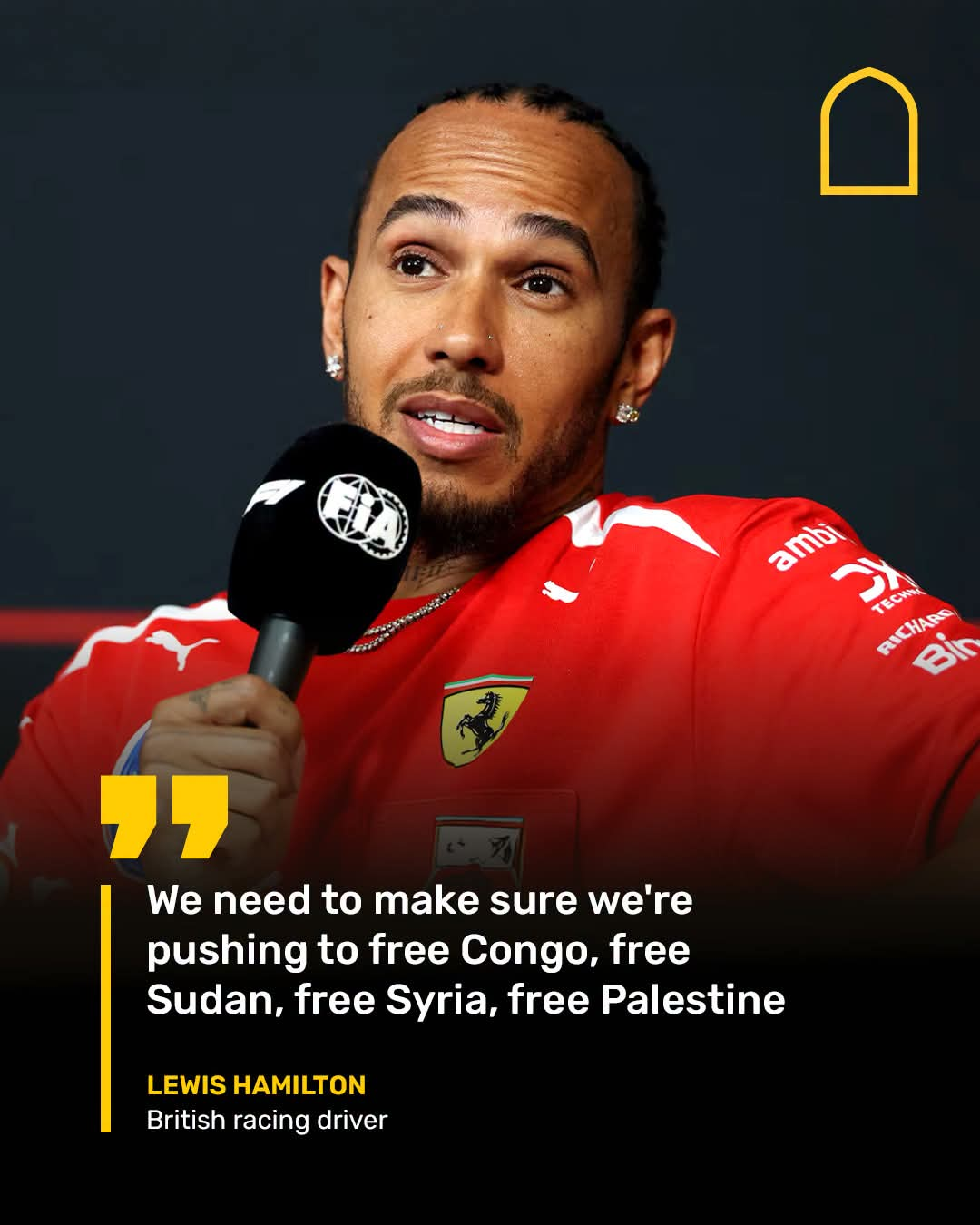
“We need to make sure we’re pushing to free Congo, free Sudan, free Syria, free Palestine,” Hamilton said.
He also expressed hope for greater peace across these regions, reinforcing his call for people facing conflict to receive greater attention and support.
The statement reflects Hamilton’s willingness to use his visibility as one of Formula 1’s most recognisable figures to raise awareness of issues beyond racing. Throughout his career, he has spoken publicly about social justice, equality and human rights, often using major sporting events to draw attention to concerns he believes deserve wider recognition.
WHY AFRICA MATTERS TO FORMULA 1
Hamilton’s comments also come amid continuing discussion about the possibility of Formula 1 returning to Africa. The continent has not hosted a World Championship Grand Prix since the 1993 South African Grand Prix at Kyalami, leaving it as the only inhabited continent without a race on the current calendar.
The prospect of an African Grand Prix has attracted considerable attention from fans, particularly given the continent’s large population, motorsport following and historical connection to Formula 1. Hamilton has previously expressed his desire to see the championship return to Africa, making the issue an important part of his wider advocacy for greater representation.
However, hosting a race involves more than selecting a circuit. Organisers must consider infrastructure, commercial arrangements, government support, investment and the long-term viability of a proposed event. Any return would therefore require substantial planning and agreement between the relevant stakeholders.
HAMILTON HIGHLIGHTS THE HUMAN RIGHTS DIMENSION
Hamilton’s remarks also underline a broader debate about the relationship between international sport and human rights. Formula 1 operates across countries with different political circumstances, and the arrival of a major sporting event can generate global attention, investment and tourism.
That visibility can create opportunities to highlight local communities and important causes. At the same time, it raises questions about how sporting organisations should approach human rights concerns when selecting host locations and working with governments or commercial partners.
Hamilton’s comments suggest that the conversation about bringing Formula 1 to Africa should not be separated entirely from the wider circumstances affecting people around the world. His message also draws attention to the suffering associated with conflicts in the Democratic Republic of the Congo, Sudan, Syria and Palestine.
The situations in these places are distinct, with different histories and political circumstances, but Hamilton’s statement grouped them together in a call for freedom and peace.
A MESSAGE THAT EXTENDS BEYOND THE RACETRACK
For Hamilton, the United States Grand Prix was an opportunity to speak about more than competition, championship points and Ferrari’s performance. His words placed humanitarian concerns alongside the ongoing discussion about Formula 1’s global future.
The comments are also a reminder of the reach enjoyed by elite athletes. Drivers competing at the highest level attract international audiences, and their statements can bring attention to issues that might otherwise receive less coverage within the sporting conversation.
Whether Hamilton’s latest remarks influence discussions surrounding Formula 1’s future calendar remains to be seen. Nevertheless, his position is clear: the possibility of bringing a Grand Prix back to Africa matters, but so does maintaining awareness of the people experiencing conflict and hardship around the world.
As Formula 1 continues to expand its global presence, questions about where the sport races—and the wider responsibilities that come with that presence—are likely to remain part of the conversation.