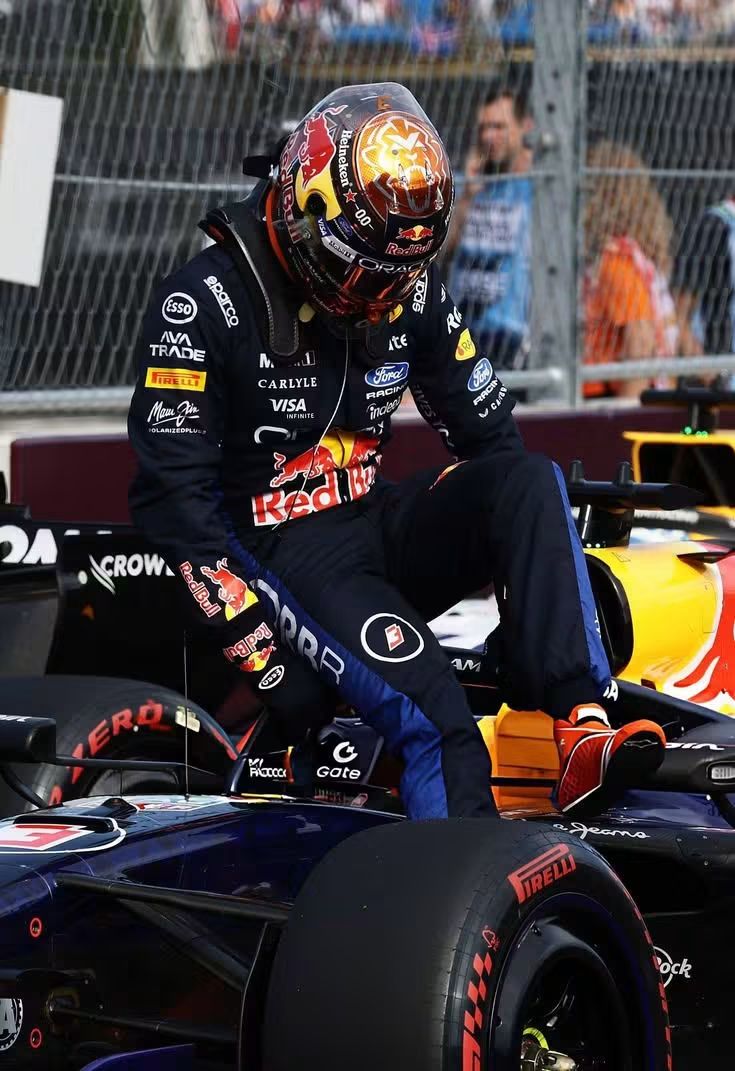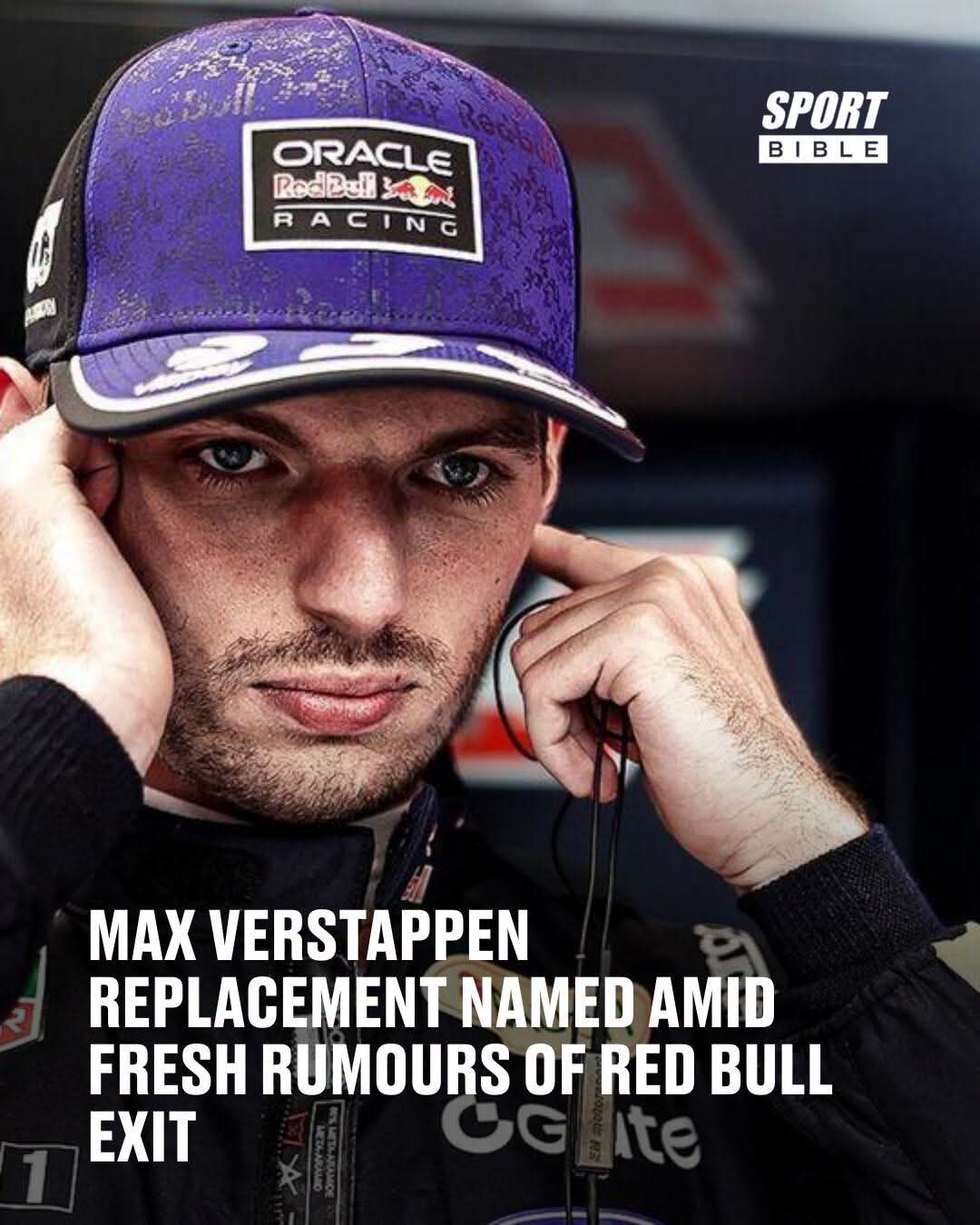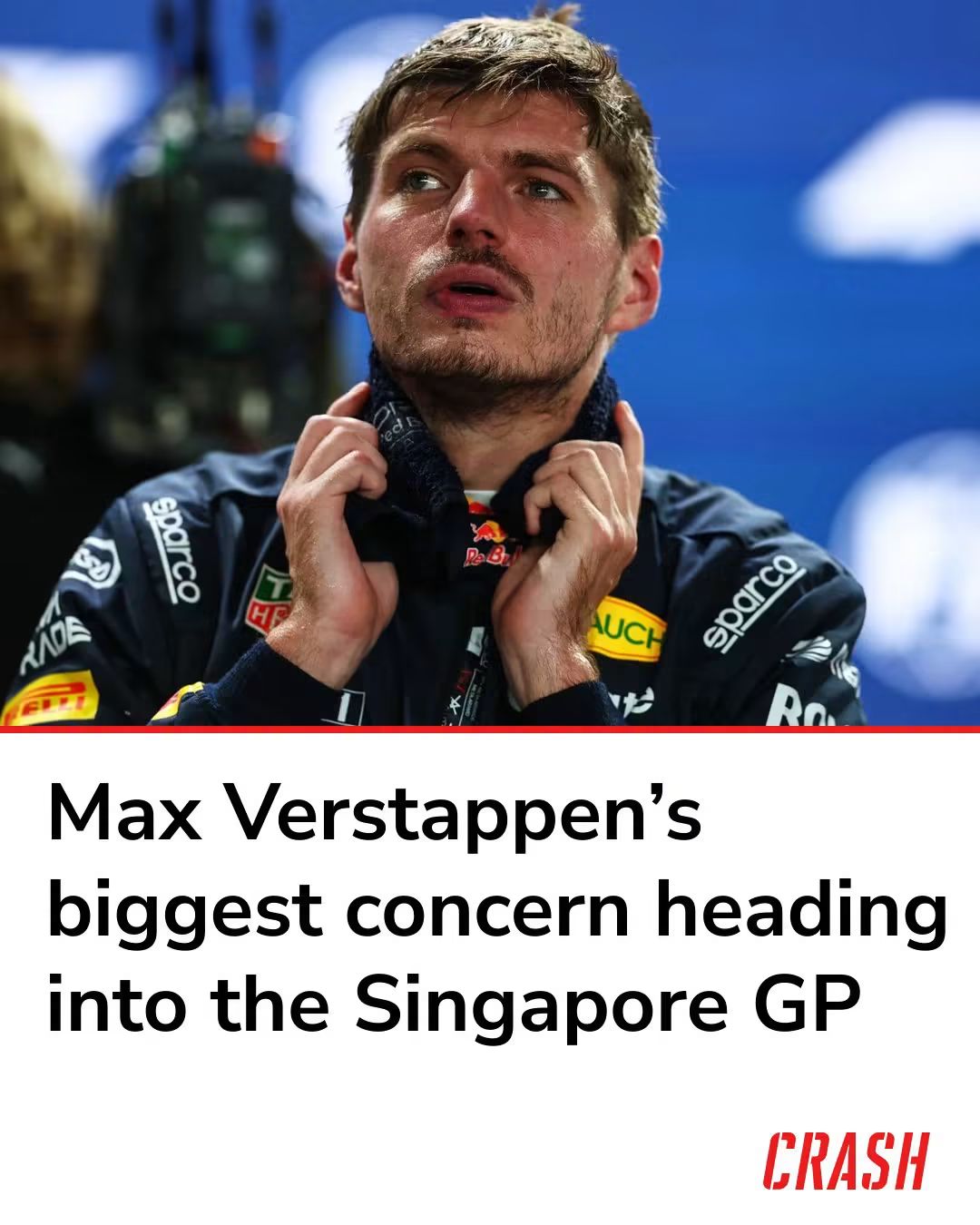
Max Verstappen may have claimed victory in the Singapore Sprint, but the four-time world champion made it clear he is far from satisfied with the bigger picture. After navigating a chaotic, rain-affected short race at the Marina Bay Street Circuit, the Red Bull driver zeroed in on what he sees as a fundamental problem for Formula 1: staging sprint races on tracks where overtaking is nearly impossible.
His blunt assessment — that the series should not host sprints where cars simply cannot pass — cuts to the heart of ongoing debates about race quality, format relevance, and the future of the championship’s most controversial addition. With the full Grand Prix still to come under the floodlights on Sunday, Verstappen’s comments reveal both his pragmatic approach to the weekend and a deeper frustration with the current product.
WHY SINGAPORE EXPOSES THE SPRINT FORMAT’S WEAKNESSES
Singapore has long been one of Formula 1’s most demanding venues. The tight, bumpy street circuit, combined with high temperatures, humidity, and limited overtaking opportunities, already tests cars and drivers to their limits. Adding a sprint only intensifies the pressure. With just one practice session before the short race, teams have minimal time to dial in setups for a track that punishes mistakes and rewards precision.
Verstappen has never hidden his mixed feelings about the sprint format. Even after taking the win — his first at the Marina Bay circuit in any form — he stressed that the result felt secondary. “I want to win tomorrow,” he said, making clear that the main event carries far more weight. The sprint victory, while welcome for the points and momentum, did little to mask the processional nature of much of the racing once the safety car periods and incidents settled.
The Dutchman’s core complaint is practical. On a circuit with short straights and limited passing zones, the overtake mode (DRS and energy deployment) provides little advantage. Drivers struggle to get close enough to attempt a move, let alone complete one cleanly. Verstappen pointed out that the current power unit regulations and battery systems further reduce the opportunity for a meaningful speed differential on the straights. In his view, this turns the sprint into something closer to a high-stakes qualifying session with points attached rather than genuine racing.
THE IMPACT ON DRIVERS, TEAMS, AND THE CHAMPIONSHIP
For Verstappen and Red Bull, the Singapore weekend represents both opportunity and risk. The team has historically struggled here due to the combination of low-speed corners, kerbs, and bumps that have not always suited their car philosophy. Recent progress in low-speed performance has raised hopes that this year could be different, yet Verstappen remains realistic. He has spoken openly about “unfinished business” at a circuit where podium finishes have come without the ultimate prize.
A strong result in the Grand Prix would boost Red Bull’s late-season momentum after earlier ups and downs. Conversely, a difficult race could underline lingering weaknesses before the final stretch of the campaign. For rival teams — particularly those stronger on street circuits or in high-downforce configurations — Singapore offers a chance to capitalize on any Red Bull vulnerability.
Beyond individual results, Verstappen’s criticism lands at a sensitive time for Formula 1. The series plans to expand the number of sprint weekends next season, including venues where overtaking is notoriously difficult. Drivers and fans have repeatedly questioned whether the format delivers the entertainment it promises when the racing itself is compromised by the track layout. Processional sprints risk diluting the excitement that Liberty Media and the FIA have worked hard to build.
Lewis Hamilton echoed similar sentiments after the sprint, suggesting the circuit layout itself needs attention to create better racing. When two of the most successful and outspoken drivers in the sport raise the same issue, it carries weight.
WHAT THIS MEANS FOR THE FUTURE OF SPRINT RACING
Verstappen’s comments are not just about one weekend. They highlight a broader tension in modern Formula 1: the balance between commercial expansion, calendar density, and pure racing quality. Sprints generate additional television content, fan engagement, and revenue. Yet if the product on track feels artificial or limited by the venue, the long-term appeal suffers.
The Dutchman’s preferred solution is straightforward — reserve sprints for tracks that naturally allow overtaking and wheel-to-wheel action. Tracks with longer straights or more decisive passing zones give the energy systems and aerodynamic aids a chance to create real racing. Continuing to schedule them at places like Singapore or, potentially, Monaco risks turning the format into a source of frustration rather than excitement.
For the athletes, the physical and mental demands of Singapore remain extreme regardless of format. Heat, humidity, and the relentless concentration required around the walls leave little margin for error. A compromised car or poor balance can turn the race into a survival exercise. Verstappen’s emphasis on finding the right balance early in the limited practice time underscores how critical preparation remains on sprint weekends.
LOOKING AHEAD TO SUNDAY’S GRAND PRIX
Heading into the main race, Verstappen’s biggest worry is clear: the structural limitations of racing at Marina Bay under the current rules and format. He will approach qualifying and the Grand Prix with the same intensity that has defined his career, aiming to convert the sprint momentum into a long-awaited full race victory.
Whether Red Bull can finally conquer their Singapore struggles will depend on execution, strategy, and a degree of luck with safety cars and weather — factors that have shaped many results here in the past. For Formula 1 as a whole, Verstappen’s candid feedback serves as a reminder that expanding the calendar and formats only works if the racing itself remains compelling.
Singapore has always been a unique challenge. This weekend, it has also become a flashpoint for larger questions about the direction of the sport. How the series responds — through track modifications, format adjustments, or simply pressing ahead — will shape the product fans see in the years ahead. For now, Max Verstappen has put the issue firmly on the table. The focus now shifts to whether he can silence the doubts with a result that finally ticks Singapore off his personal list of unfinished business.