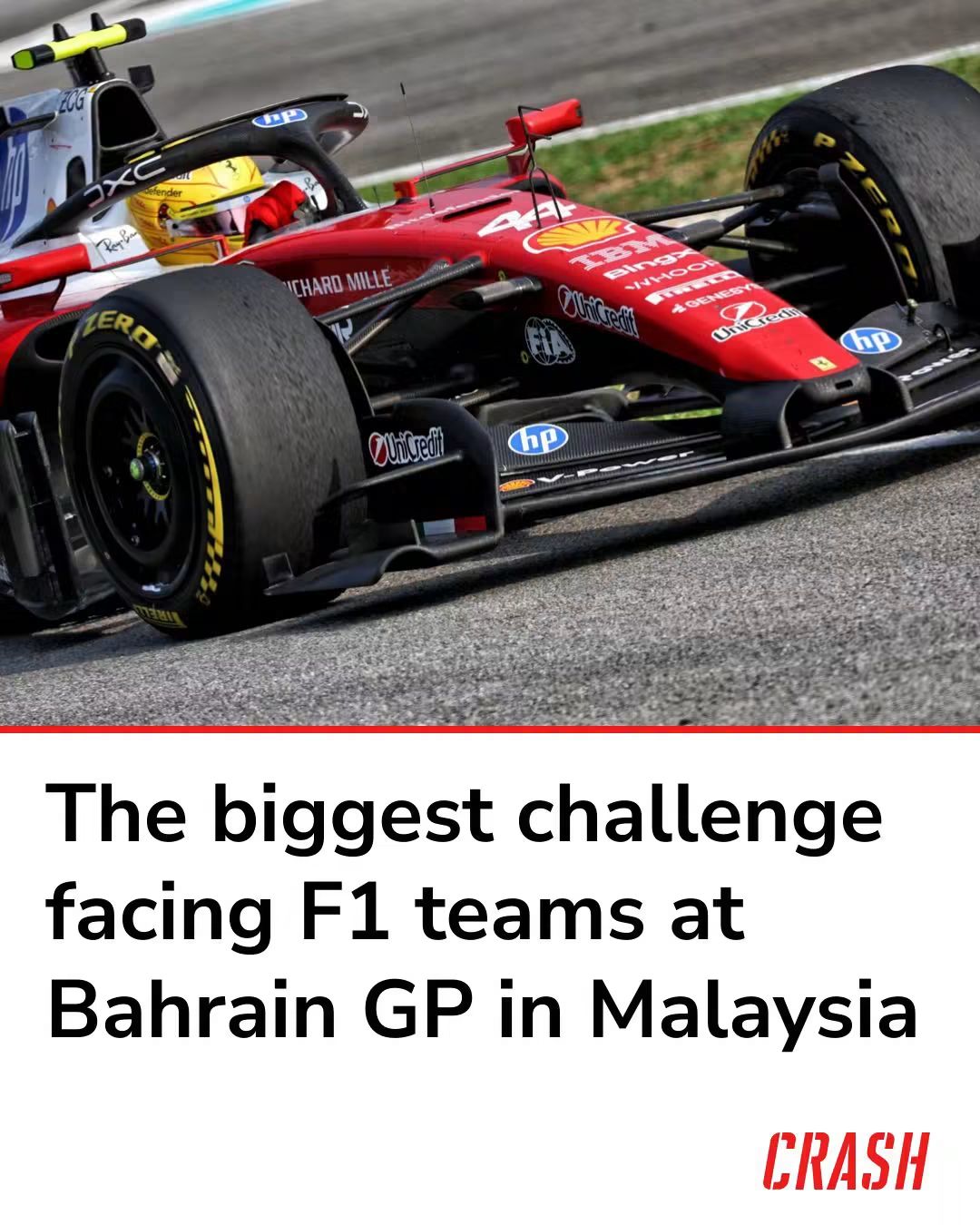
Formula 1’s long-awaited return to the Sepang International Circuit has quickly turned into one of the most demanding weekends of the 2026 season. What was already a logistical scramble — relocating the Bahrain Grand Prix to Malaysia at short notice because of ongoing Middle East instability — has been compounded by punishing track conditions, a formal heat-hazard declaration, and a flurry of power-unit penalties that have reshuffled the midfield before a single competitive lap was even completed.
Teams arrived expecting a challenge. Few anticipated just how comprehensively the combination of abrasive asphalt, tropical heat, and limited recent data would dominate every conversation in the paddock.
WHY SEPANG IS PROVING SO DIFFICULT FOR THE CURRENT CARS
Sepang last hosted Formula 1 in 2017. In the intervening years the cars, tyres, and regulations have changed dramatically. The circuit itself retains its flowing high-speed corners and long straights, but the surface remains notably rough — drivers have likened it to sandpaper. Track temperatures climbed toward 60°C during practice, while ambient temperatures sat in the low 30s with high humidity. The FIA duly declared a heat-hazard race, the third of the season, allowing drivers the option of cooling systems under their race suits or carrying equivalent ballast.
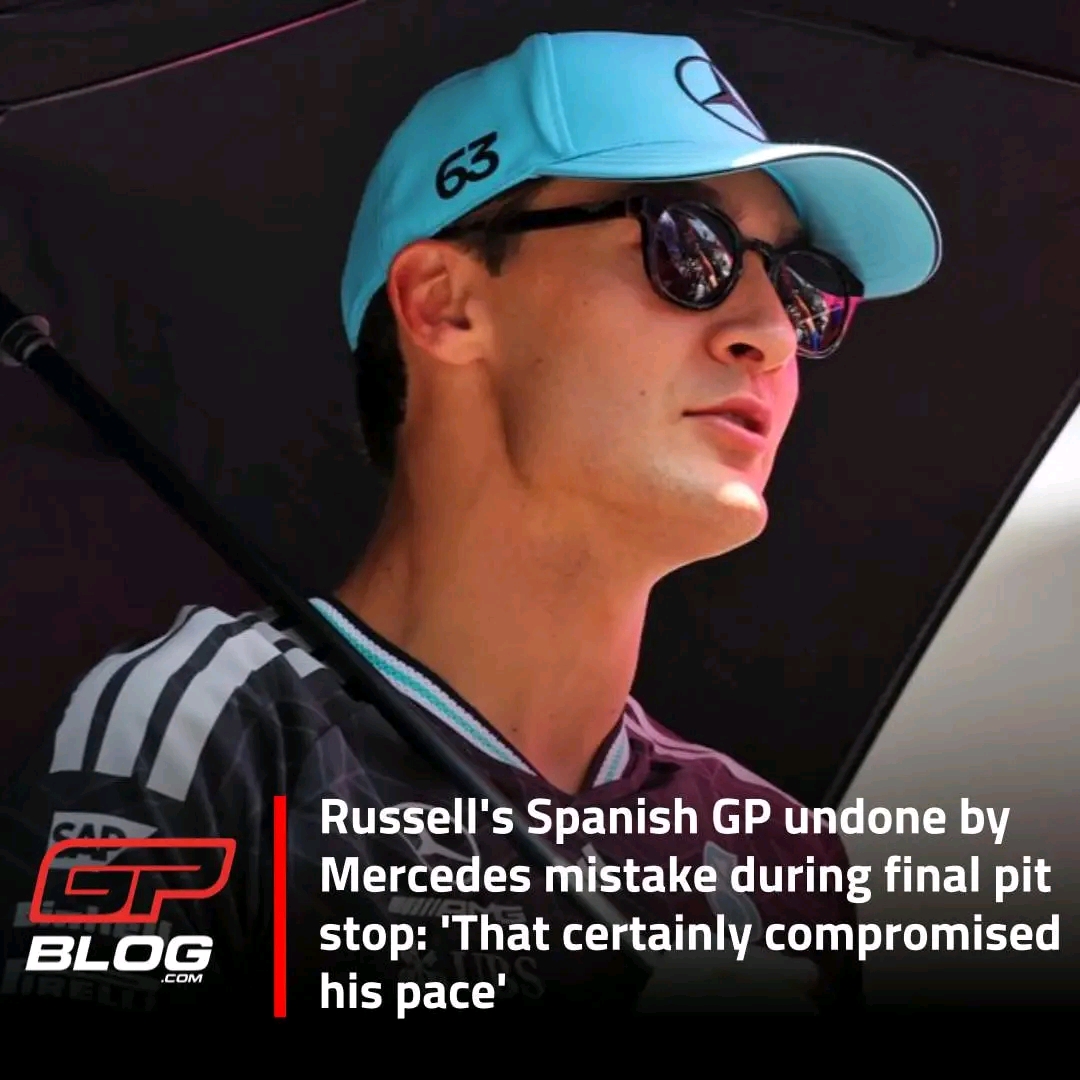
Pirelli’s data from Friday painted a stark picture: thermal degradation running at roughly two to three tenths of a second per lap on both the medium and soft compounds. That level of wear is rare and immediately shifts the strategic conversation from pure pace to tyre preservation. Surface overheating occurs even on out-laps, making it harder for drivers to stay close enough to attack or defend effectively. George Russell was among the first to flag the issue, noting that the conditions would likely suppress the “yo-yo” racing that has characterised several recent events.
The result is a weekend where set-up compromises are brutal. Teams must balance the need for downforce in the high-speed sections against the drag that hurts on the long straights, all while managing rear-tyre temperatures that threaten to spiral into a vicious cycle of sliding and further heat build-up. Mercedes brought a substantial aerodynamic upgrade package expected to be worth around three-tenths, yet both Russell and Kimi Antonelli struggled to extract a clean qualifying simulation. The conditions simply overrode the expected gains.
GRID PENALTIES ADD ANOTHER LAYER OF COMPLICATION
As if the physical demands were not enough, three drivers face grid drops that will force recovery drives on Sunday. Isack Hadjar takes a five-place penalty after Red Bull fitted a seventh internal combustion engine. Arvid Lindblad of Racing Bulls will start from the back after taking a fifth ICE, turbocharger and exhaust set. Franco Colapinto carries a cumulative 15-place sanction — five places from his Baku collision plus ten more for a fifth ICE.
These penalties matter beyond the individuals involved. In a race projected to feature high degradation and multiple stops, starting position still carries weight because undercuts become powerful when tyres fall off a cliff. Drivers forced to start deep in the field will lean heavily on strategy and opportunistic overtakes on a circuit that does offer decent passing opportunities — provided the following car can keep its tyres alive long enough to make a move stick.
WHAT THIS MEANS FOR THE CHAMPIONSHIP AND THE TEAMS
The broader impact is already visible. Mercedes arrived as the form team after recent results but finds itself searching for answers overnight. Red Bull and Ferrari look competitive on pure pace, with Charles Leclerc topping one session and Max Verstappen looking strong on longer runs. McLaren sits in the mix as well. The closeness of the field after Friday — three different constructors inside the top three separated by a fraction of a second — suggests that race pace and tyre management will decide the result more than outright qualifying speed.
For the drivers, the physical toll is significant. Cockpit temperatures can exceed 40°C even with cooling systems. The heat-hazard rules exist precisely because of the cumulative stress of multiple layers of fireproof clothing in such conditions. Veterans who raced at Sepang in previous eras know the demand; the majority of the current grid are experiencing it for the first time in Formula 1 machinery.
From an organisational perspective, the weekend also tests Formula 1’s ability to stage a high-quality event after a last-minute calendar change. Ticket demand has been strong, with organisers expecting large crowds, yet the familiar challenges of traffic around the circuit have already resurfaced. The sport continues to demonstrate flexibility in the face of geopolitical disruption, but the cost and complexity of relocating freight, personnel and operations remain real.
PREDICTIONS AND THE BIGGER PICTURE
Expect a multi-stop race. Pirelli’s degradation numbers point away from the one-stop strategies that have dominated recent events. Strategy will reward those who can look after the rear tyres while still extracting pace when it matters. A Safety Car or sudden tropical shower — always a possibility in Malaysia — could scramble the order further and give the penalised drivers a realistic path back into the points.
Looking beyond this weekend, Sepang’s return underlines both the appeal and the difficulty of traditional circuits that demand mechanical and thermal management rather than pure aerodynamic efficiency. It also serves as a reminder that Formula 1’s global calendar remains vulnerable to external events. The decision to keep the Bahrain branding while racing in Malaysia reflects commercial and diplomatic realities, but the sporting challenge is pure Sepang: hot, abrasive, and unforgiving.
Teams that solve the tyre puzzle first will leave Malaysia with more than just points. They will leave with valuable data for the remainder of a season that continues to reward adaptability over pure theoretical performance. For everyone else, the headache is only just beginning.