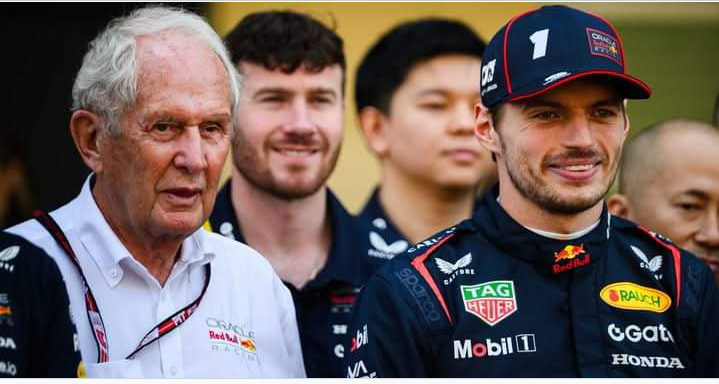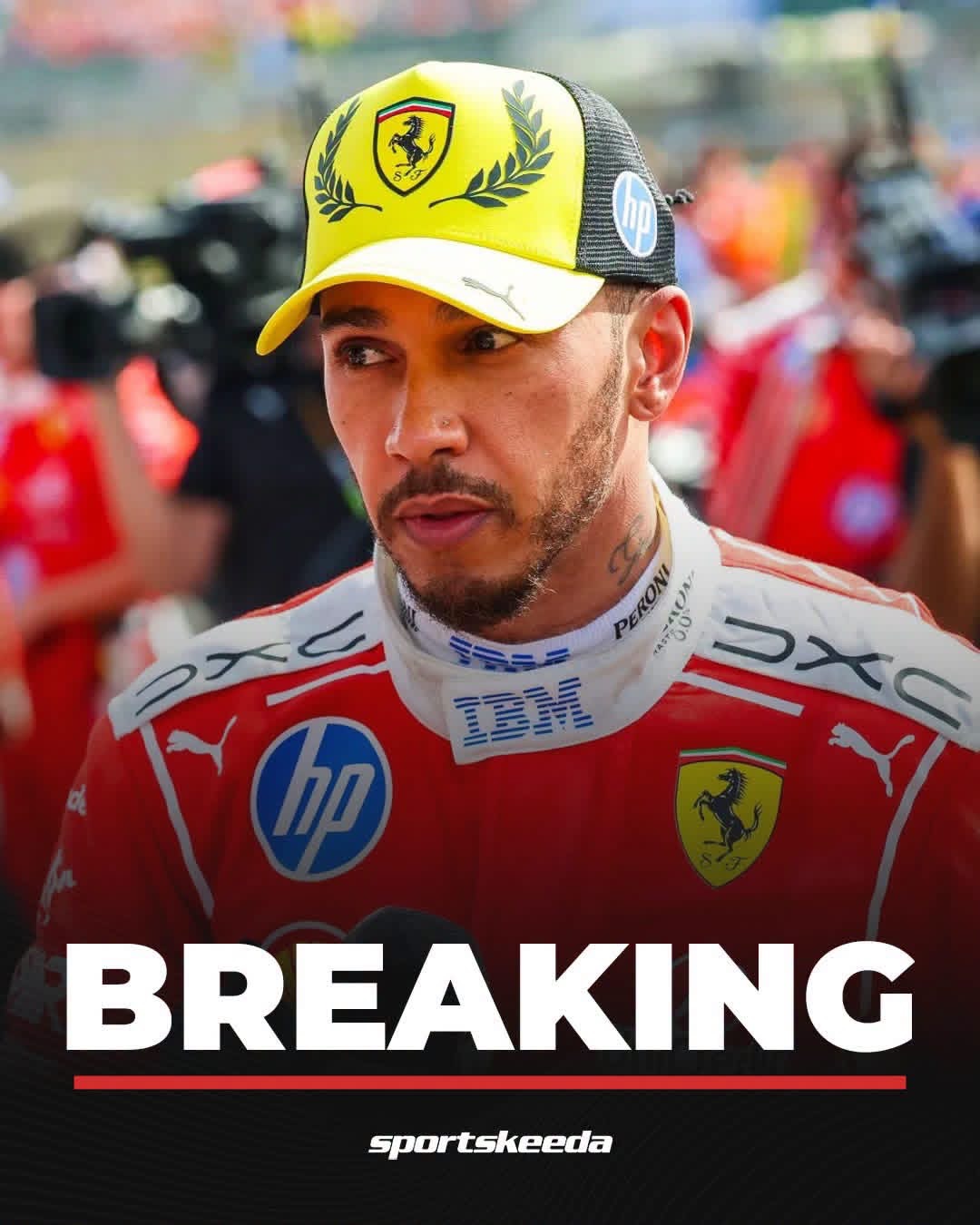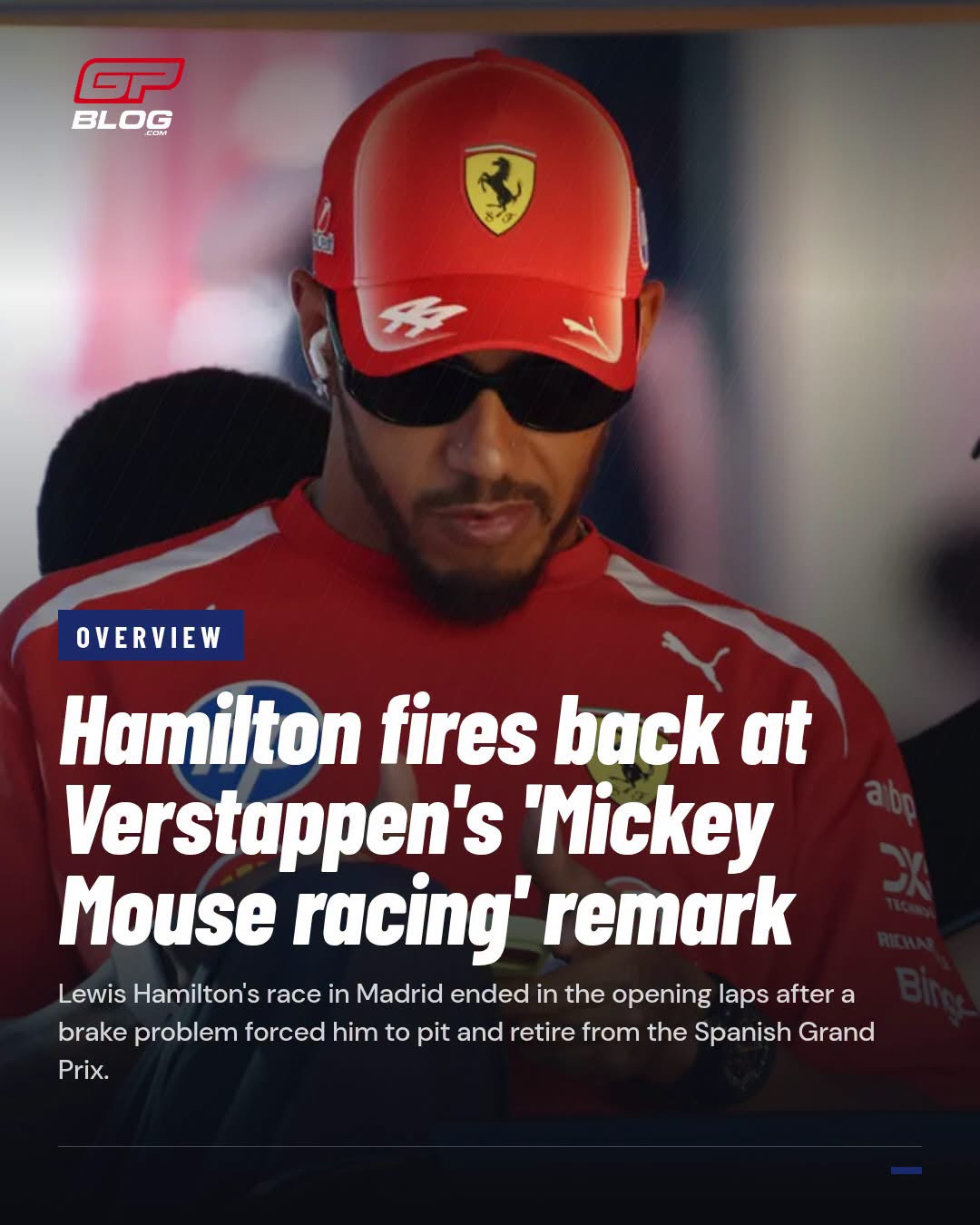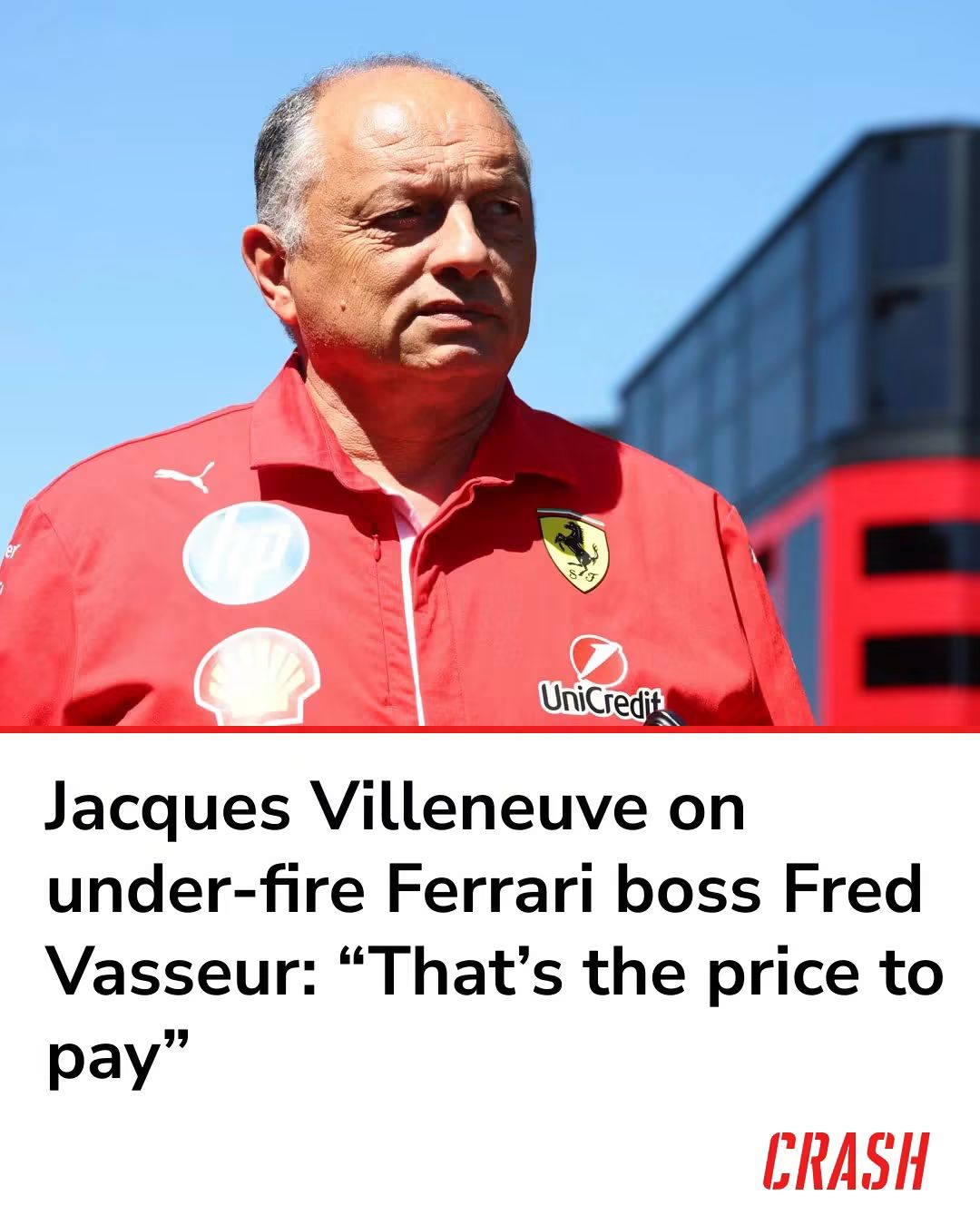
Ferrari’s team principal Fred Vasseur has spent recent weeks under the familiar glare of intense scrutiny. Rumours linking former Red Bull boss Christian Horner to a potential role at Maranello refused to fade, forcing the Scuderia into the unusual step of a public show of support. Drivers Lewis Hamilton and Charles Leclerc lined up firmly behind their boss. And now 1997 Formula 1 world champion Jacques Villeneuve has weighed in with a characteristically blunt assessment that cuts through the noise.
Speaking during Sky Sports F1 coverage of Friday practice at Sepang ahead of the Bahrain Grand Prix, Villeneuve framed the criticism directed at Vasseur as neither surprising nor personal. It is simply the cost of sitting at the top of the most storied team in the sport.
THE TEAM PRINCIPAL ALWAYS CARRIES THE TARGET
“The team principal is never the scapegoat, he’s the top of the organisation,” Villeneuve said. “When things go well, he looks great, when things don’t go well, he’s the one who takes the beating. It’s normal and anyone who goes to Ferrari, not only a team principal, knows that that’s the price to pay.”
He continued: “It comes with a heavy baggage of, ‘You’re fantastic when you perform, but two or three bad races, and the whole world is against you,’ at least in the media. It’s been like that forever. It’s been like that for other team principals, drivers, engineers, everyone. That’s just the price to pay for being in the greatest team of all time.”
Villeneuve’s words land with particular weight because they come from someone who understands the Ferrari mythos. His father Gilles remains one of the most romanticised figures in the team’s history. The Canadian’s perspective is not that of an outsider throwing stones; it is an insider’s recognition that the red car carries expectations no other squad faces.
WHY THE SCRUTINY HITS DIFFERENT AT FERRARI
What makes the pressure on Vasseur unique is the combination of historical weight and structural reality. Ferrari has not won a drivers’ or constructors’ title since 2007 and 2008 respectively. Nearly two decades of waiting creates a permanent state of impatience among tifosi, Italian media, and the internal hierarchy.
Villeneuve highlighted a structural issue that goes beyond any single individual. At Mercedes, Toto Wolff holds clear authority and ownership influence. Decisions can move quickly. At Ferrari, Vasseur operates within a more layered system. “You don’t have that at Ferrari,” Villeneuve noted. “Vasseur doesn’t have full control about what’s going on or decision-making. A committee doesn’t work – it’s too slow. In F1, you have to be reactive, you have to be quick.”
This observation cuts to a recurring theme in modern Ferrari analysis. Success in Formula 1 rewards speed of decision-making as much as pure engineering excellence. The Jean Todt era, which delivered the team’s last sustained period of dominance, operated with clearer lines of authority. When leadership becomes diluted, response times lengthen and the gap to the front of the grid becomes harder to close.
DRIVERS AS A SHIELD: A NEW DYNAMIC FOR VASSEUR
Asked whether Vasseur deserves more time, Villeneuve was measured. “I don’t know. Did the other ones deserve more time? He’s had more time than a lot of other ones already.” He then pointed to a genuine difference in the current setup: “I think the big difference now is he’s protected by the drivers as well, which is a good thing.”
That protection has been visible. Hamilton has spoken passionately in defence of Vasseur, arguing that finger-pointing at one man is misguided when responsibility sits higher in the organisation. Leclerc has been equally firm, describing the Frenchman as extremely valuable and dismissing the surrounding speculation as silly. Their public unity matters. In previous eras, driver-management friction often accelerated exits. Here, the two highest-profile drivers in the garage appear aligned with their team principal.
This alignment could prove decisive as Ferrari navigates the final races of the current regulation cycle and prepares for the major technical reset ahead. Stability at the top, even under pressure, allows engineers and strategists to focus rather than second-guess every decision.
THE BROADER IMPACT ON FERRARI AND THE CHAMPIONSHIP LANDSCAPE
The swirling speculation has real operational consequences. Vasseur himself has spoken about the need for serenity inside the team, noting that constant questions about his future disrupt focus. When a squad is fighting for second in the constructors’ championship while still chasing race wins, any distraction carries a measurable cost.
For the wider Formula 1 industry, the episode underlines how differently power operates across teams. Owner-driven or highly empowered structures (Mercedes, Red Bull under Horner’s long tenure) can move faster. Corporate structures with multiple stakeholders, even when well-intentioned, can introduce friction. Ferrari’s unique position as both a works team and a global brand amplifies every rumour.
Looking ahead, the test for Vasseur and Ferrari leadership is whether the public backing translates into clearer decision-making authority and technical progress. The drivers’ support buys time. The historical pattern of short tenures at Maranello remains a shadow. Villeneuve’s reminder that this pressure is the price of the badge is accurate, but it does not remove the need for results.
In Formula 1, the greatest teams attract the greatest expectations. Ferrari remains the ultimate example. Vasseur knew the job came with that weight. The question now is whether the structure around him allows him to carry it productively, or whether the committee approach Villeneuve criticised continues to slow the response when the car is not delivering. The coming months will reveal which path the Scuderia chooses.