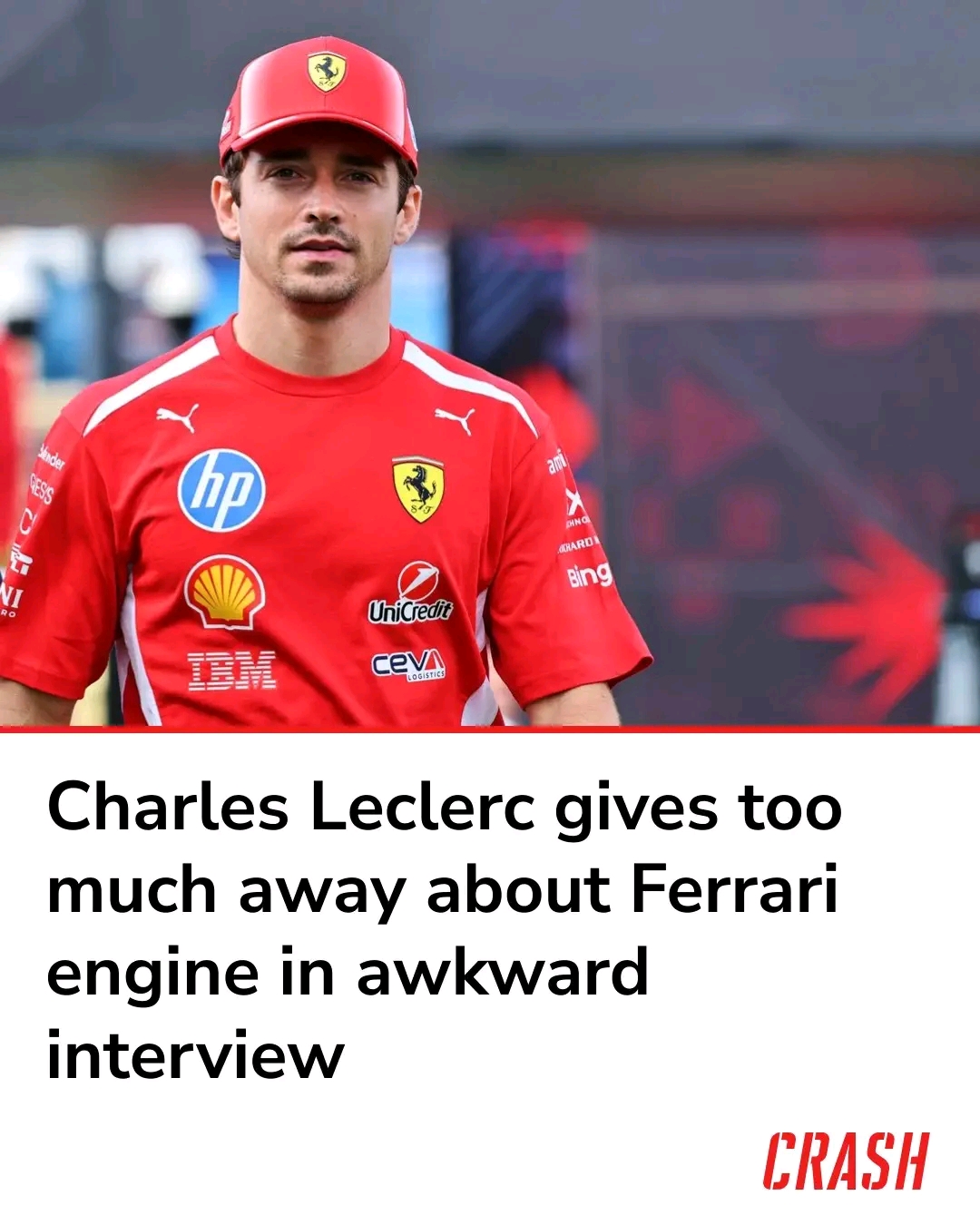
Charles Leclerc has never been one to hold back when the microphone is on. After a hard-fought fourth place at the Azerbaijan Grand Prix, the Ferrari driver delivered one of the most revealing—and unintentionally revealing—moments of the 2026 season. Asked which power unit he had run in Baku, Leclerc casually confirmed he was on the latest specification. The look from the Ferrari press officer standing beside him said everything.
“I had the latest version,” Leclerc told Sky Sports. Then, catching the reaction next to him, he laughed and added: “I don’t know if I’m saying something I shouldn’t, but I thought you knew that.”
In an era of tightly controlled technical information, that brief exchange cut through the usual corporate fog. It confirmed what many in the paddock had suspected: Ferrari had successfully returned the upgraded ADUO2 power unit to Leclerc’s pool after his heavy crash at Monza and raced it in Baku. The slip also highlighted a deeper truth about Ferrari’s current position. Even with the newer engine, the Scuderia could not match Mercedes and Red Bull on race day.
WHY LECLERC’S COMMENT MATTERS FAR BEYOND ONE INTERVIEW
Power unit development under the current regulations is one of the most closely guarded secrets in Formula 1. Teams treat engine specifications like state secrets because small gains in power, energy deployment, and driveability can decide championships. Ferrari’s ADUO2 upgrade, introduced at Monza, was supposed to close a long-standing power deficit. Leclerc had used an earlier version in Madrid after the Monza crash forced a temporary step back. Confirming the latest unit was back in the car removed ambiguity that the team had carefully maintained throughout the Baku weekend.
The moment also humanized the intense pressure inside Ferrari. Drivers are briefed extensively on what they can and cannot say. Leclerc’s instinctive honesty, followed by the immediate self-correction, showed how fine the line is. The press officer’s visible reaction—widely shared across social media—turned a technical detail into a viral paddock moment. For Ferrari fans, it was both amusing and slightly concerning. Their lead driver was still fighting for every point while the team’s performance ceiling remained frustratingly clear.
BAKU EXPOSED FERRARI’S REAL PROBLEMS
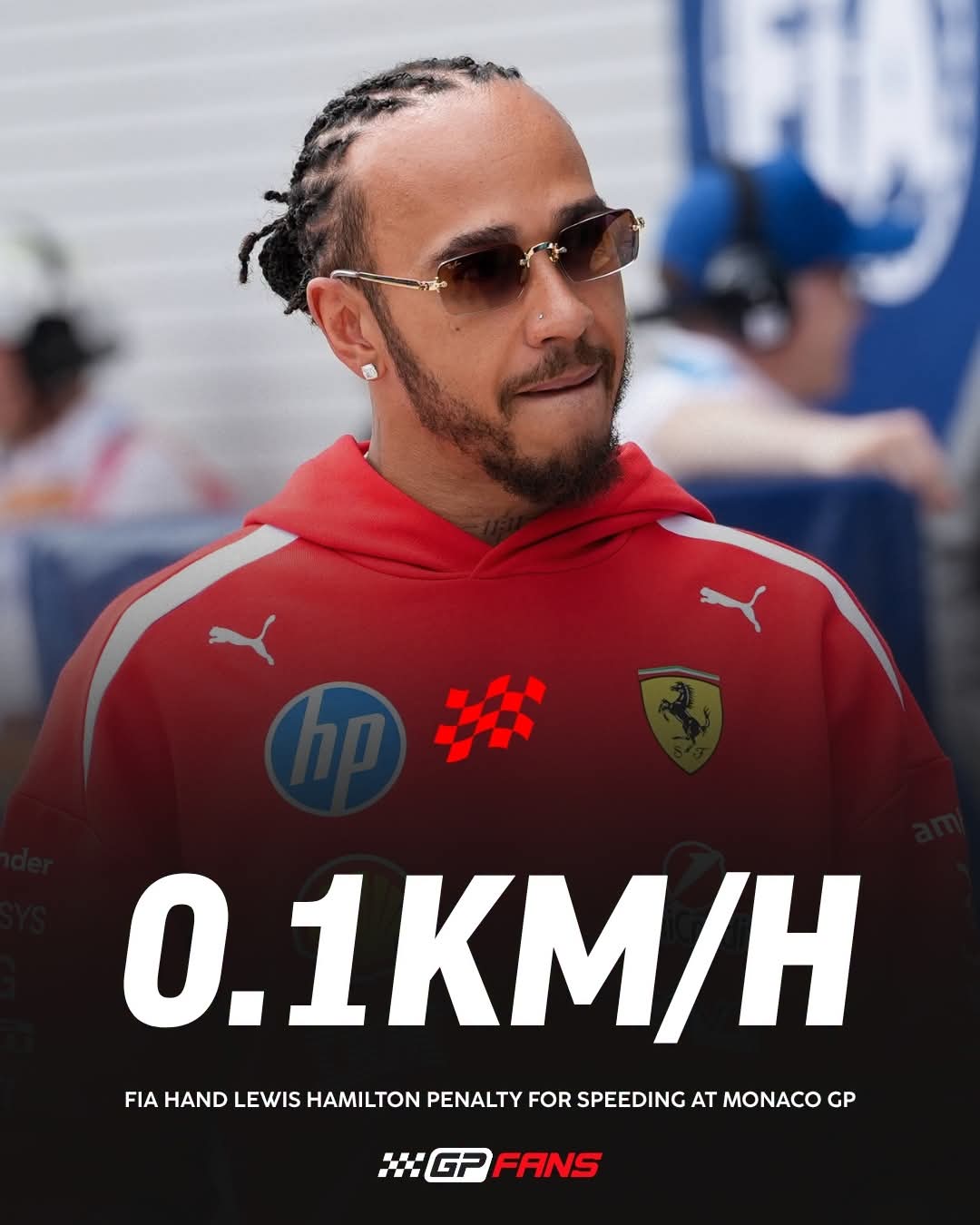
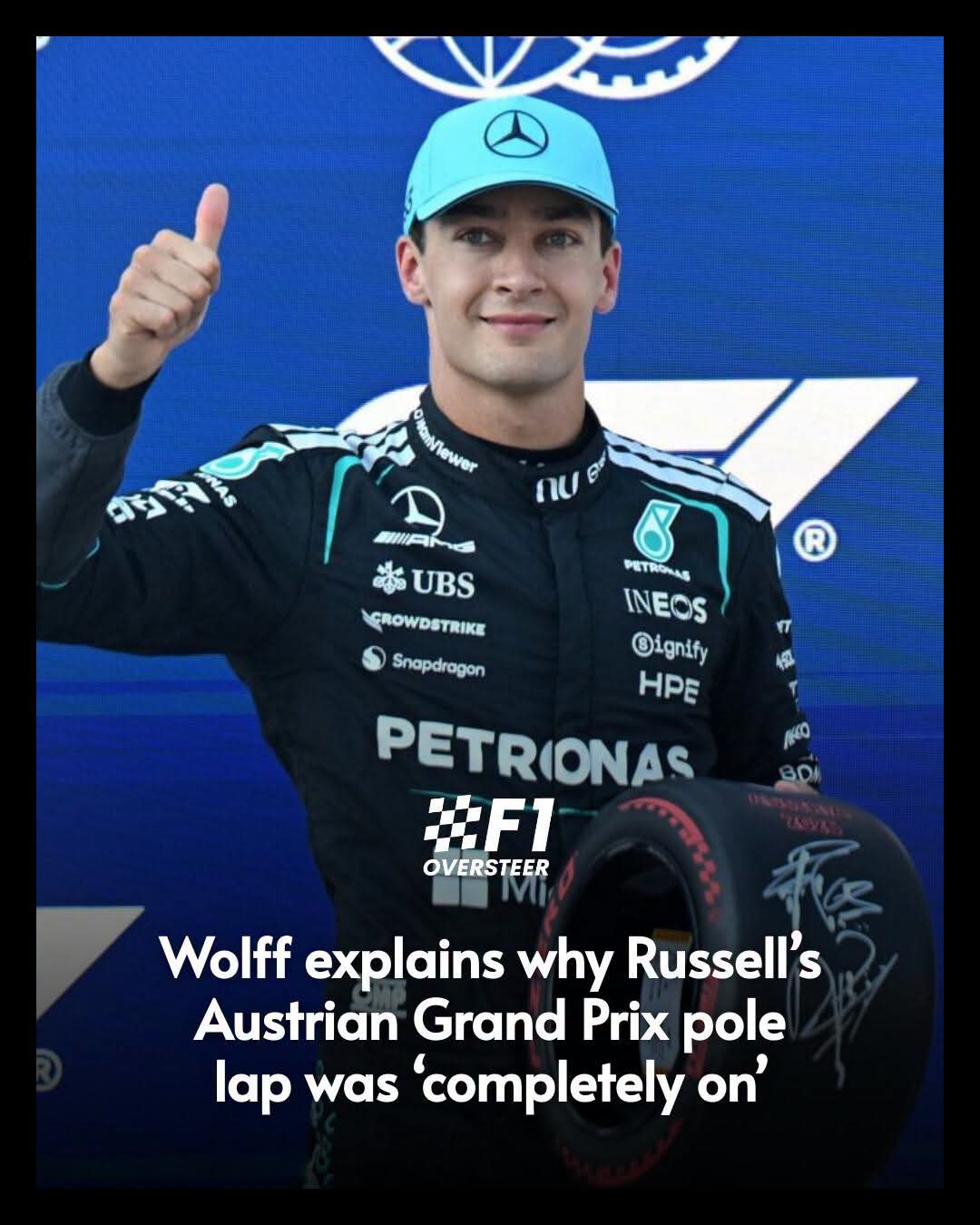
Leclerc qualified a strong second but finished fourth. Teammate Lewis Hamilton came home sixth. George Russell’s Mercedes won the race, and Red Bull remained a consistent threat. Leclerc was blunt afterward. He admitted Ferrari no longer possessed the best chassis and that rivals had made “big steps forwards.” Mercedes, McLaren, and Red Bull had improved their cornering performance, eroding the advantage Ferrari once held in that area. On the long straights of Baku, the lack of outright power and the inability to defend effectively became obvious.
This was Ferrari’s fifth consecutive race without a podium. What began as a season of genuine promise—Ferrari starting as Mercedes’ closest challenger with what many believed was the strongest chassis—has settled into a mid-to-front-of-the-pack reality. The engine upgrade was meant to unlock the car’s potential. Running the latest specification in Baku and still finishing behind the leading group suggests the gains were real but insufficient against the progress made by others.
For Leclerc personally, the result added to a familiar Baku narrative. He has been devastatingly quick around the street circuit for years, often locking out pole, yet race victories have remained elusive. The combination of strategy, reliability, and pure pace has repeatedly denied him. This time the car simply was not fast enough over a full race distance even with the newer power unit.
THE BROADER IMPACT ON FERRARI, THE CHAMPIONSHIP, AND THE SPORT
Inside the team, the slip will likely prompt tighter media protocols. Frédéric Vasseur has run a more open ship than some of his predecessors, but technical details around power units remain sensitive under the FIA’s development rules and the competitive environment. Leclerc’s candor is generally an asset—he is respected for his honesty—but moments like this create unnecessary noise when the focus should stay on performance recovery.
For the constructors’ and drivers’ championships, the result reinforces the current hierarchy. Mercedes and Red Bull are operating at a level Ferrari cannot currently match over a race weekend. Hamilton’s presence in the second car brings experience and data, but the package itself needs another step. The remaining races will test whether Ferrari can extract more from the ADUO2 specification or whether further chassis development is required to stay relevant.
The moment also feeds the larger conversation about transparency in Formula 1. Fans crave authenticity. Leclerc’s unfiltered reply, followed by the awkward realization, felt real in a sport often criticized for scripted answers. At the same time, it underscores why teams invest heavily in controlling the narrative. Information is currency, and even a casual confirmation can shift expectations among rivals, media, and sponsors.
WHAT COMES NEXT FOR LECLERC AND FERRARI
Looking ahead, Ferrari faces a clear challenge. The team must decide how aggressively to develop within the remaining allocation and whether the current power unit direction is enough to close the gap. Leclerc has already signaled urgency, noting that once rivals pull ahead on upgrades, catching up becomes significantly harder. Hamilton’s feedback will be critical as the team prepares for the final stretch of the season.
Predictions in Formula 1 are always risky, but the pattern is clear. Unless Ferrari finds meaningful performance in both engine and chassis, podium finishes will remain difficult against the current leaders. Leclerc remains one of the most talented drivers on the grid and continues to extract maximum from the car. His Baku comments, both the technical slip and the honest assessment of the competition, showed a driver who understands exactly where the team stands.
- In the end, the viral exchange was more than a media mishap. It was a small window into Ferrari’s reality in 2026: a competitive but no longer dominant package, a driver willing to speak plainly, and a team still searching for the next leap forward. For a squad with Ferrari’s history and ambition, that combination is both a challenge and a call to action. The rest of the season will show whether they answer it.