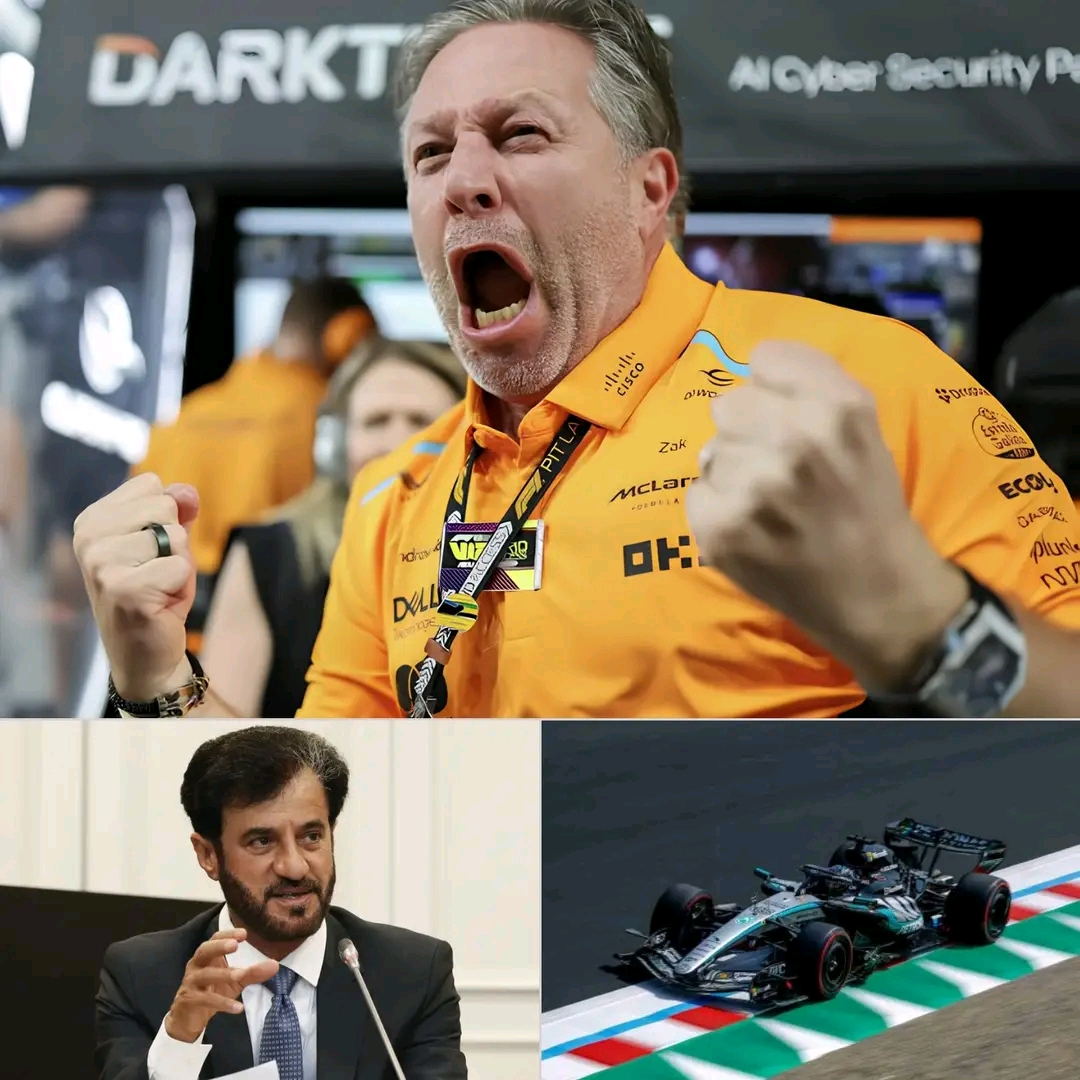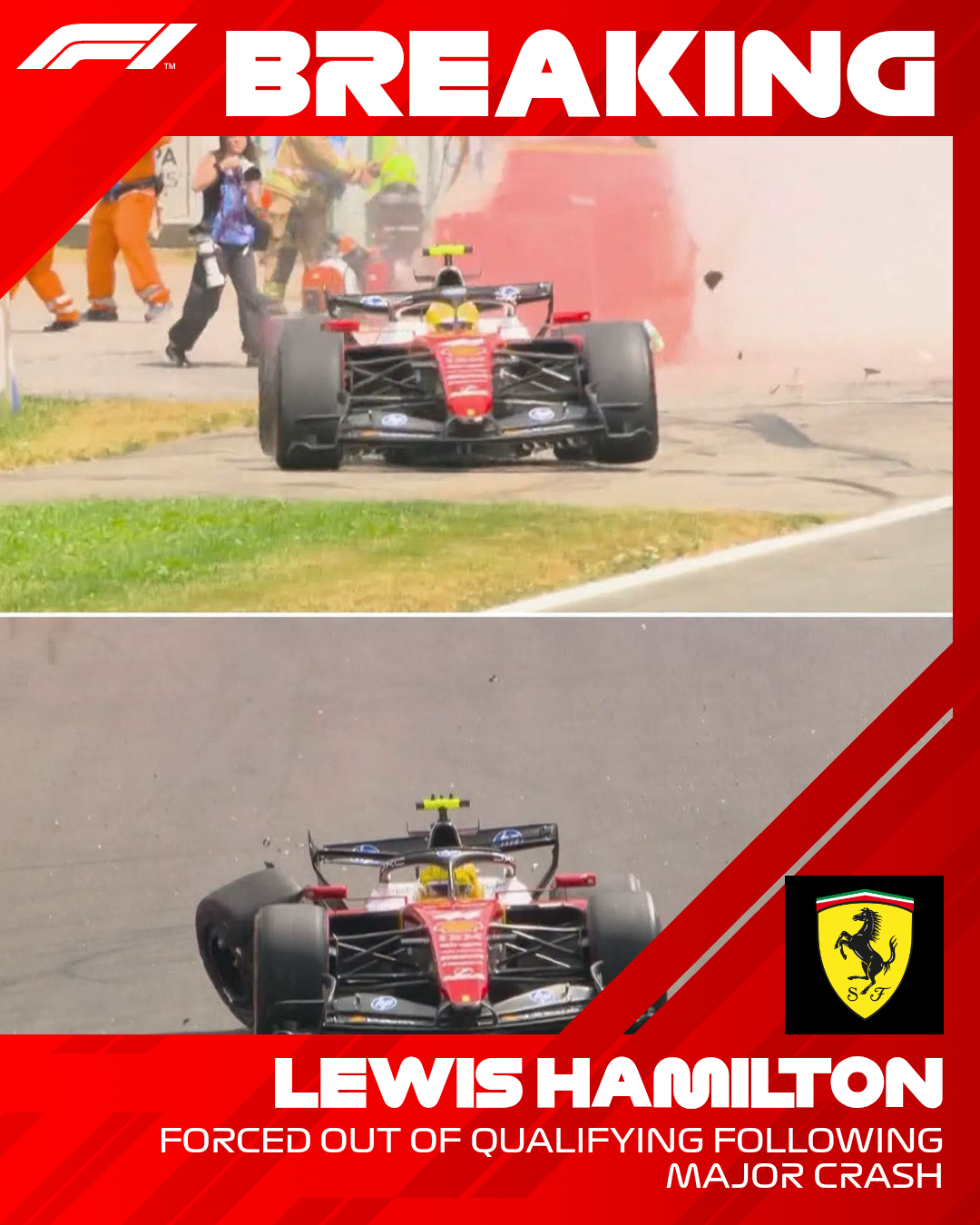
The FIA has confirmed a series of post-race penalties following a dramatic Dutch Grand Prix at Zandvoort, with Franco Colapinto, Liam Lawson and Carlos Sainz all sanctioned for separate incidents during the race.
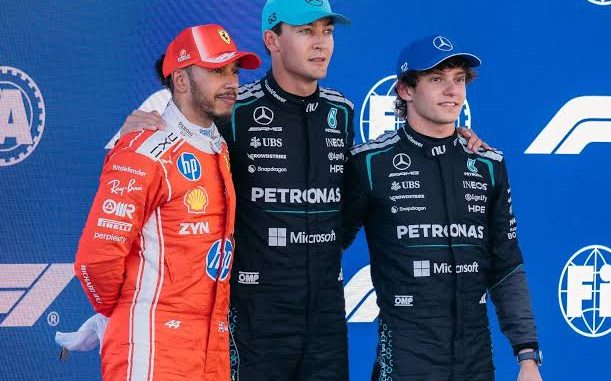
While the penalties altered the lower reaches of the classification, the leading positions remained unchanged. Lando Norris secured victory ahead of championship leader Kimi Antonelli and Mercedes teammate George Russell, while Lewis Hamilton completed the top four for Ferrari. Importantly, despite several reports circulating online suggesting that a major disqualification had changed the Dutch GP results, the FIA’s classification reviewed in this report does not show any classified driver being disqualified.
FIA HANDS OUT THREE 10-SECOND PENALTIES
Colapinto endured one of the most complicated races of the three penalised drivers. The Alpine driver was punished for failing to slow sufficiently for yellow flags, with the drive-through penalty converted into a 10-second time penalty for the final classification.
He was also investigated for overtaking Yuki Tsunoda under double yellow flags. That incident resulted in additional penalty points, adding further frustration to what was already a difficult afternoon for the Alpine driver.
Lawson was also punished for failing to slow sufficiently for yellow flags, receiving a 10-second penalty. Carlos Sainz, meanwhile, was handed the same time penalty for causing a collision.
The FIA’s intervention demonstrates how incidents that may appear relatively minor during a Grand Prix can still have consequences once stewards complete their investigations.
NO POST-RACE DISQUALIFICATION CHANGES THE PODIUM
Despite the sensational headlines surrounding an alleged Dutch GP disqualification, the FIA classification referenced in the report confirms that the top three remained intact.
Norris therefore retained his victory, while Antonelli continued to take second place and Russell remained third. Hamilton also kept his fourth-place finish.
That distinction is important because a genuine post-race disqualification of one of the leading drivers could have produced a significant reshuffling of the championship standings. In this case, however, the confirmed penalties did not produce that kind of dramatic change at the front.
MAX VERSTAPPEN’S EARLY EXIT ADDS TO THE DRAMA
The Dutch Grand Prix had already been turned upside down before the post-race investigations began.
Max Verstappen suffered an opening-lap crash that brought out a race stoppage and forced the field to regroup before the event resumed. For Verstappen, the incident represented another painful chapter in a season that has failed to deliver the level of success Red Bull had become accustomed to during his championship-winning years.
His early retirement also removed one of the biggest potential factors from the fight at the front, allowing Norris, Antonelli and Russell to battle for the major positions without the four-time champion interfering in the podium contest.
PENALTIES COULD BECOME IMPORTANT AS THE SEASON DEVELOPS
Although the three 10-second penalties did not alter the podium, every championship point becomes increasingly valuable as the 2026 season moves toward its decisive stages.
For teams fighting in the midfield, a single position can influence both the constructors’ championship and the financial rewards attached to their final ranking. Racing Bulls, Alpine and Williams therefore have plenty of reason to scrutinise every stewarding decision.
The penalties also underline the FIA’s continued emphasis on yellow-flag compliance. Drivers are expected to reduce their speed sufficiently when a danger zone is declared, and failing to do so can lead to serious sporting consequences.
THE DUTCH GP RESULTS REMAIN A STORY OF MULTIPLE BATTLES
The biggest takeaway from Zandvoort is that the race produced drama at almost every level of the field.
Norris strengthened his momentum with another victory, Antonelli retained his position at the head of the championship fight, and Russell delivered another podium for Mercedes. Hamilton, meanwhile, secured fourth but left the circuit frustrated after Ferrari’s strategic decisions prevented him from challenging for another podium.
Behind them, drivers such as Gasly, Tsunoda, Lawson, Colapinto and Sainz were involved in battles where every second mattered.
That makes the FIA’s final classification particularly important. The post-race penalties have been incorporated into the official results, but there is no confirmed mass disqualification or leading-driver exclusion in the classification described here.
The Dutch Grand Prix therefore ends with Norris celebrating another major victory, Mercedes strengthening its championship position and several drivers facing the consequences of incidents that occurred during a fiercely contested race.
For the teams heading into the next round, the message is clear: with the championship battle tightening, even the smallest mistake can become expensive.