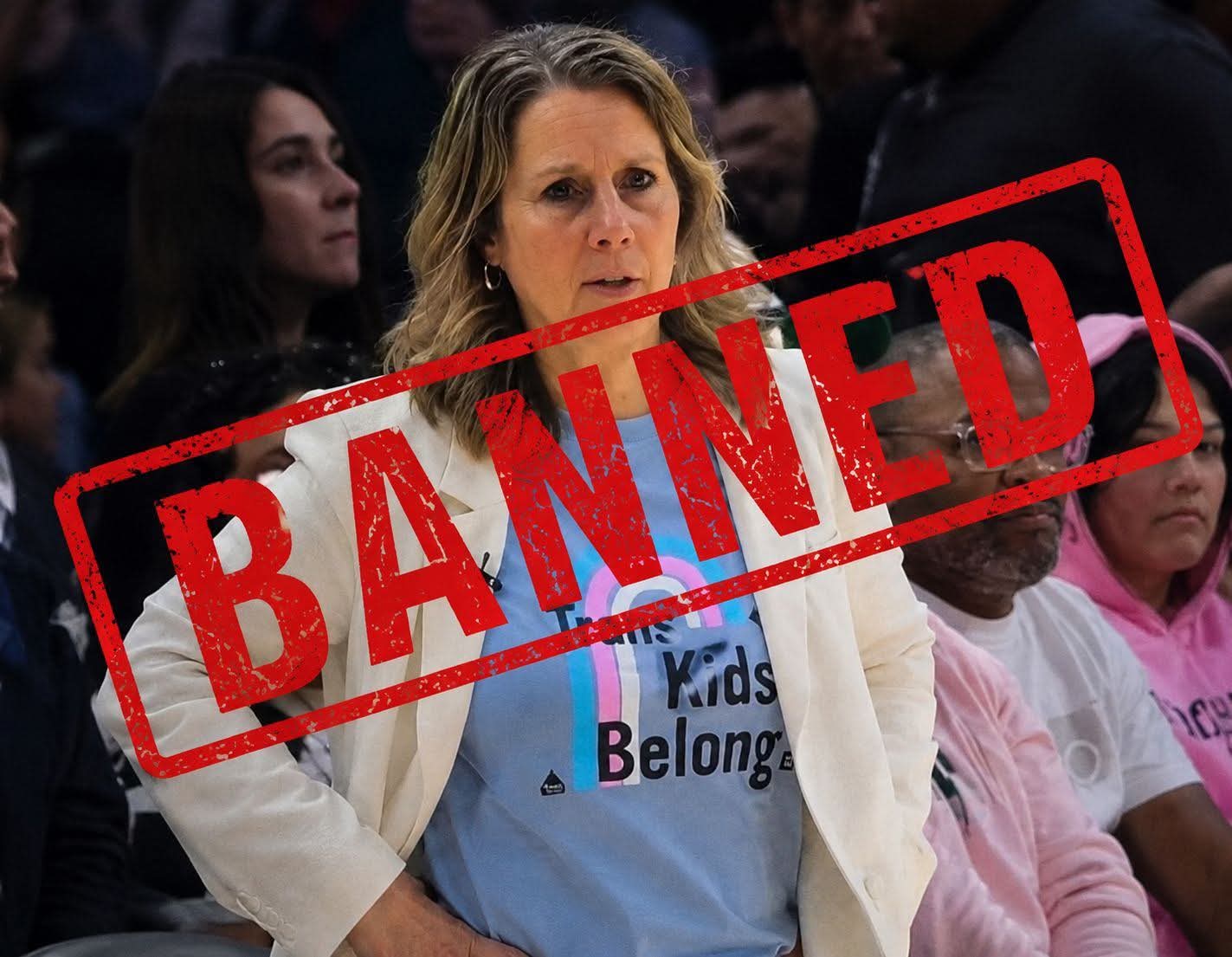
The WNBA has once again found itself at the center of a broader public conversation after Minnesota Lynx head coach Cheryl Reeve’s pregame attire became one of the league’s biggest talking points. Reeve wore a shirt displaying the message “Trans Kids Belong” before a nationally televised game, prompting widespread reactions from fans, media personalities, players, and commentators across social media.
The moment quickly evolved beyond basketball, fueling renewed debate about the role of personal advocacy in professional sports. Some applauded Reeve for publicly supporting an issue she believes in, while others questioned whether political or social messaging belongs in official league settings. As discussions intensified, attention shifted toward how leagues balance freedom of expression with maintaining focus on competition.
THE LEAGUE FACES A FAMILIAR CHALLENGE
Professional sports have increasingly become platforms for athletes and coaches to express views on social issues. Over the past decade, leagues across North America have witnessed players and coaches using clothing, interviews, and social media to raise awareness about causes ranging from racial equality and mental health to voting rights and gender inclusion.
That history has made situations like Reeve’s particularly significant. Every public statement by a high-profile figure has the potential to spark passionate debate, placing leagues in the difficult position of respecting individual voices while avoiding distractions that could overshadow the sport itself.
FANS REMAIN SHARPLY DIVIDED
Reaction among basketball fans has reflected the broader national conversation. Many supporters praised Reeve for standing by her beliefs and argued that coaches should not be discouraged from expressing personal convictions. Others believe basketball should remain separate from political and cultural debates, suggesting that attention should stay on players, games, and championship races rather than off-court issues.
Social media platforms quickly filled with contrasting opinions, illustrating just how polarizing these discussions have become. While some viewed the moment as an important example of leadership, others felt it represented another instance of sports becoming entangled in issues unrelated to competition.
THE WNBA’S GROWING SPOTLIGHT BRINGS GREATER SCRUTINY
The timing is particularly noteworthy as the WNBA continues experiencing unprecedented growth. Record television audiences, rising attendance figures, expanding sponsorships, and increased media coverage have placed every major storyline under a brighter spotlight than ever before.
As the league attracts millions of new viewers, virtually every controversy now extends far beyond basketball circles. What might once have remained a local talking point can now dominate national headlines within hours, creating new challenges for league officials, franchises, and players alike.
FINDING THE RIGHT BALANCE WILL REMAIN A CHALLENGE
Questions surrounding personal expression in sports are unlikely to disappear anytime soon. Every league continues searching for the right balance between supporting individual voices and ensuring the focus remains on the competition itself.
Whether future discussions lead to new guidelines or simply continue as part of the evolving sports landscape, the conversation sparked by Cheryl Reeve’s viral appearance demonstrates how closely basketball, public advocacy, and modern media have become intertwined. As the WNBA’s profile continues to grow, similar debates are likely to remain part of the league’s broader story for years to come.