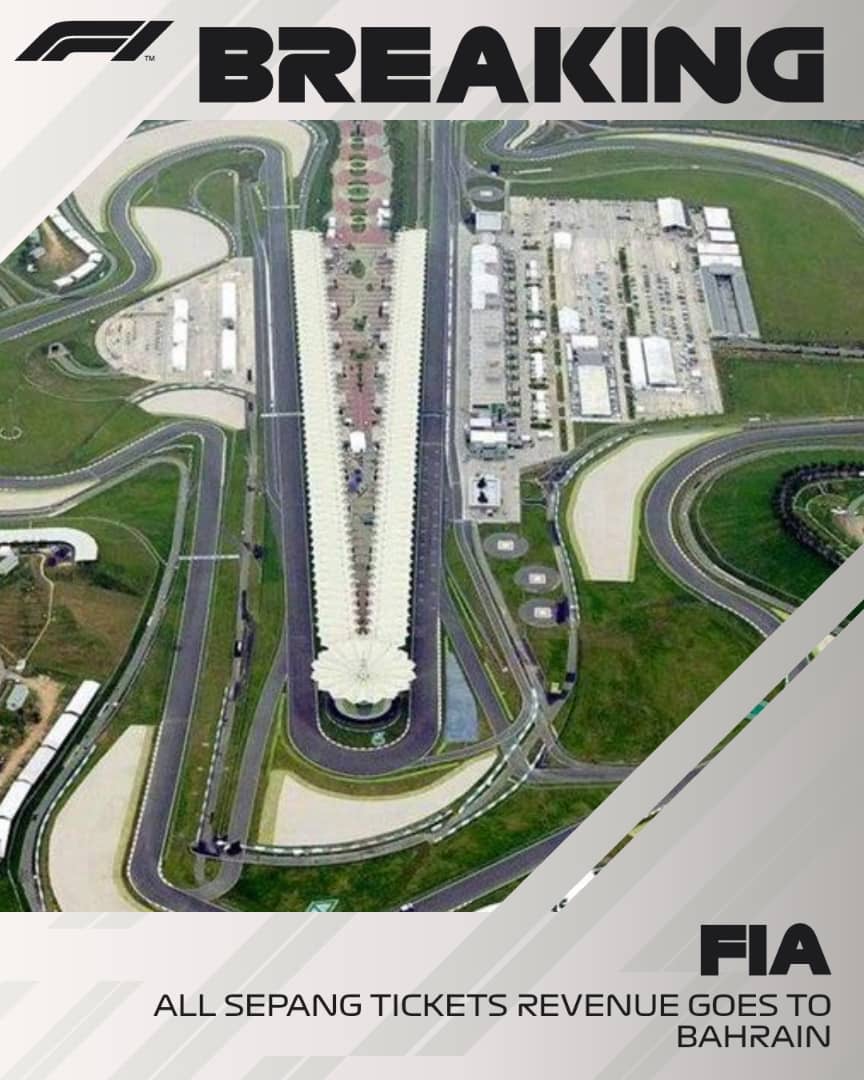
The dream of Formula 1 returning to Malaysia has taken another significant step forward, but officials at Sepang International Circuit are making one thing abundantly clear—they are not rushing into talks about a permanent place on the calendar. Instead, their immediate objective is delivering a flawless comeback event that proves the country is ready to host the pinnacle of motorsport once again.
After years away from the Formula 1 schedule, Malaysia’s return has generated enormous excitement among fans, teams, sponsors, and the wider motorsport community. However, Sepang’s leadership is taking a measured approach, insisting that execution comes before ambition. Their message is simple: first deliver an unforgettable Grand Prix, then discuss the future.
SEPANG WANTS ACTION TO SPEAK LOUDER THAN PROMISES
Circuit officials have emphasized that every effort is currently being directed toward ensuring the returning race meets Formula 1’s exceptionally high standards. Rather than making bold promises about securing a long-term contract immediately, organizers believe success on race weekend will provide the strongest possible argument for remaining on the calendar.
That strategy reflects the modern reality of Formula 1. With record-breaking global interest and fierce competition among host nations, every Grand Prix must demonstrate commercial value, operational excellence, and an unforgettable fan experience. A successful Malaysian Grand Prix would strengthen Sepang’s position far more effectively than any public commitment made before the lights go out.
FORMULA 1’S GLOBAL EXPANSION HAS MADE EVERY CALENDAR SPOT MORE VALUABLE
Formula 1 has changed dramatically since Malaysia last hosted a Grand Prix. New races have emerged across the Middle East, North America, and Europe, while demand to join the championship continues to grow.
That means returning venues face greater competition than ever before. Even circuits with rich histories cannot rely solely on nostalgia. They must prove they can attract large crowds, deliver world-class facilities, satisfy commercial partners, and contribute to Formula 1’s long-term global strategy.
For Malaysia, this represents both a challenge and an opportunity. Sepang remains one of the sport’s most respected circuits, famous for its wide layout, technical corners, unpredictable tropical weather, and countless memorable races. If organizers can combine those strengths with a modern event experience, the circuit could quickly re-establish itself as one of the calendar’s standout destinations.
WHY SEPANG’S RETURN MATTERS TO FORMULA 1
Malaysia’s comeback is significant beyond the racing itself. Formula 1 has continued expanding its presence throughout Asia, and bringing Sepang back would strengthen the championship’s footprint in one of the world’s fastest-growing sports markets.
The circuit has historically produced unpredictable races thanks to its demanding layout and changing weather conditions. Drivers have always respected the challenge, engineers appreciate the technical complexity, and fans remember the dramatic overtaking opportunities and strategic battles that often unfolded there.
A successful return would also benefit local tourism, hospitality businesses, and the broader Malaysian economy. Major sporting events generate international exposure while attracting thousands of overseas visitors, creating lasting commercial opportunities beyond race weekend.
THE PRESSURE WILL BE ON ORGANIZERS
Hosting a Formula 1 Grand Prix today is considerably more demanding than it was a decade ago. Fans expect premium entertainment, advanced digital experiences, seamless transportation, and world-class hospitality alongside the on-track spectacle.
Sepang will therefore be judged on every aspect of the event—from logistics and fan engagement to safety procedures and operational efficiency. Delivering excellence across those areas would reinforce confidence among Formula 1 executives when future calendar discussions begin.
The circuit’s cautious messaging also demonstrates an understanding that expectations should be earned rather than assumed. Instead of looking too far ahead, organizers appear determined to build momentum through performance.
WHAT HAPPENS AFTER A SUCCESSFUL COMEBACK?
If Malaysia’s returning Grand Prix proves successful, conversations about a longer-term Formula 1 agreement are likely to become much easier. Strong attendance figures, positive feedback from teams, commercial success, and smooth race operations would all strengthen Sepang’s case for becoming a regular fixture once again.
Formula 1 continues to balance historic venues with new destinations, making consistent quality essential for every promoter. A standout event could position Malaysia as a valuable long-term partner while giving fans another classic circuit to enjoy every season.
For now, though, Sepang’s focus remains exactly where it should be—not on promises about the future, but on delivering a race worthy of Formula 1’s return. If organizers succeed, the conversation about a permanent place on the calendar may become a natural next step rather than a difficult negotiation.