Lando Norris has reignited one of Formula 1’s most intriguing teammate rivalries after claiming he was “better in every sense” than Oscar Piastri during the Hungarian Grand Prix, despite the Australian leading the race early on. Fresh off his first victory of the 2026 season, the reigning world champion left Budapest full of confidence, insisting that McLaren’s race pace gave him complete belief he would eventually come out on top.
While Piastri’s race ended in heartbreak following gearbox problems after an earlier collision with Carlos Sainz, Norris’ comments have already sparked debate among Formula 1 fans. Were they simply an honest assessment of race pace, or the first sign that the battle inside McLaren is beginning to intensify as the championship enters its decisive phase?
NORRIS ENDS HIS WINLESS START TO 2026 IN STYLE
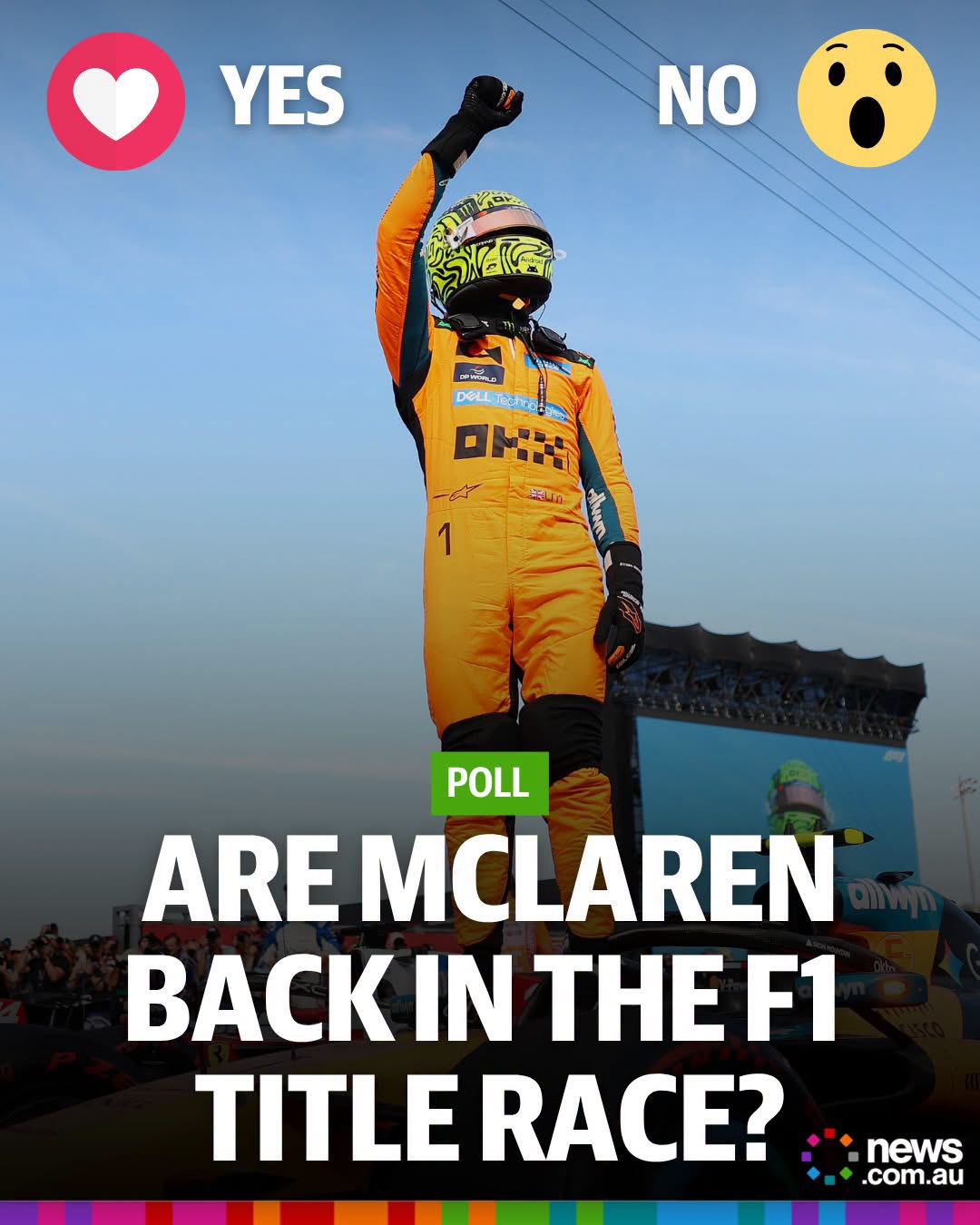
After months of frustration, Norris finally returned to the top step of the podium with a commanding performance at the Hungaroring.
Starting from pole position, the Briton initially lost the lead to teammate Oscar Piastri after Turn 2 on the opening lap. Many expected that mistake to define the race, but Norris never appeared concerned.
Instead, he settled into a consistent rhythm, carefully managing his tyres while staying within striking distance of the Australian. That patience proved decisive.
McLaren’s strategy, combined with Norris’ impressive tyre management, allowed him to regain control of the race through the pit-stop cycle before Piastri’s afternoon unraveled due to mechanical failure.
It was a victory built on composure rather than aggression.
WHY NORRIS BELIEVES HE WAS THE FASTER DRIVER
Despite spending much of the opening stint behind his teammate, Norris insisted after the race that he always felt victory was within reach.
According to the McLaren driver, his advantage wasn’t limited to outright speed.
He pointed to superior tyre degradation, stronger race pace, and greater consistency over long stints as evidence that he held the upper hand throughout the Grand Prix.
Norris admitted his opening lap was not perfect, but argued that everything which followed demonstrated his overall advantage.
His confidence was evident when he explained that regardless of strategy—whether undercutting, extending his stint, or switching tyre tactics—he believed he possessed the pace to win.
That level of self-belief is exactly what championship-winning drivers are expected to display.
PIASTRI’S MISFORTUNE DENIED McLAREN A PERFECT RESULT
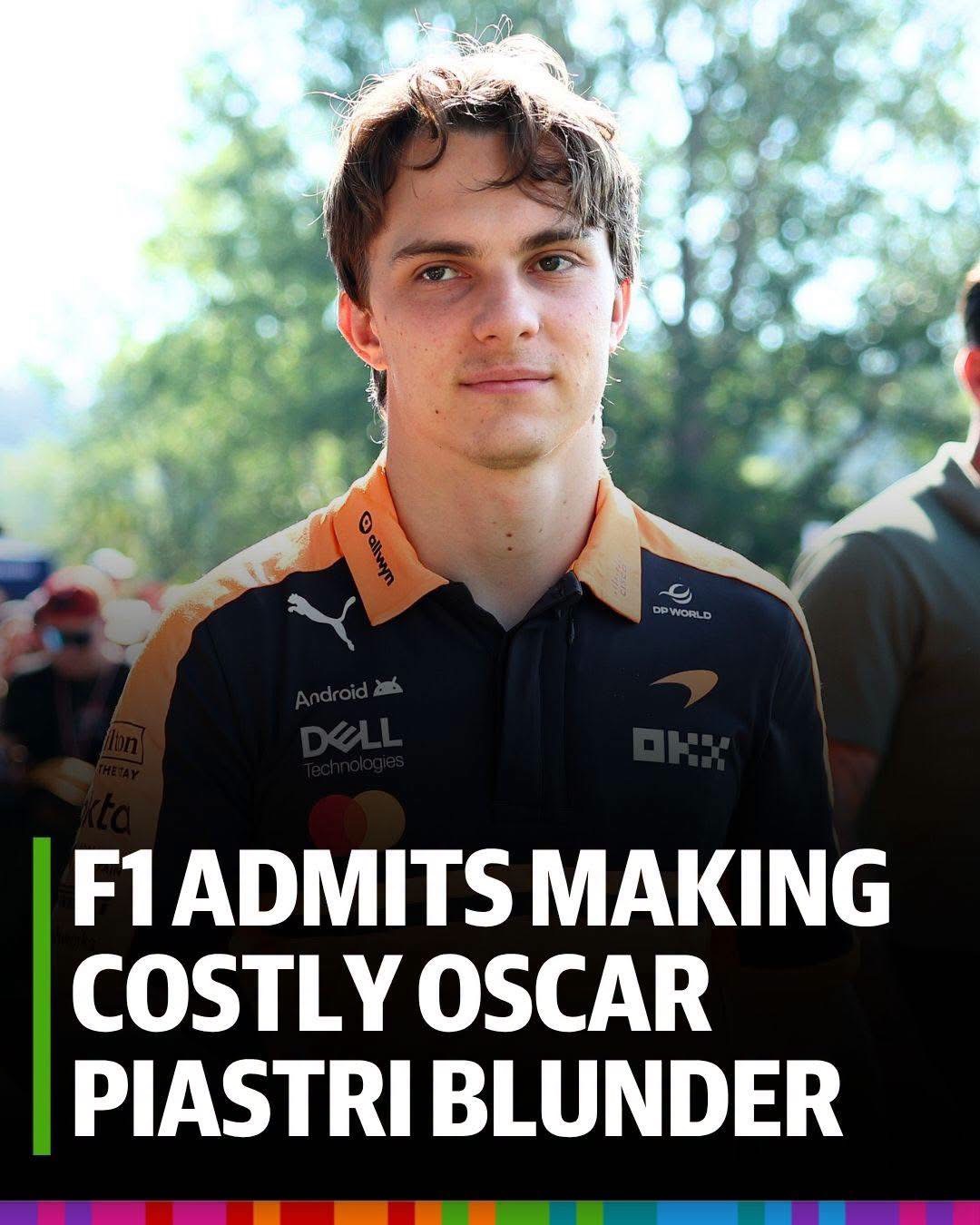
For Oscar Piastri, Hungary represented another race filled with mixed emotions.
The Australian produced an excellent start, immediately overtaking Norris to seize the lead and looked capable of challenging for victory throughout the early stages.
However, several setbacks changed the course of his afternoon.
Contact involving Carlos Sainz cost Piastri valuable time during the pit sequence, while later gearbox problems forced him into retirement altogether.
Without those setbacks, McLaren appeared well-positioned to secure a dominant one-two finish.
Norris himself acknowledged the disappointment, admitting he believed both drivers deserved to finish at the front after demonstrating superior pace throughout the race.
McLAREN’S CAR HAS BECOME THE BENCHMARK
One of the biggest stories to emerge from Hungary wasn’t simply Norris’ victory—it was McLaren’s overwhelming speed.
Interestingly, Norris revealed that despite winning the race, the car was still difficult to drive.
Rather than criticizing the MCL machine, however, he emphasized that raw performance matters more than perfect handling.
That statement speaks volumes about McLaren’s current position.
Even with a car that drivers describe as challenging, the team possesses enough outright pace to consistently fight at the front of the grid.
If engineers can improve drivability without sacrificing performance, McLaren could become even more dangerous during the second half of the season.
A TEAMMATE RIVALRY IS STARTING TO TAKE SHAPE
Norris’ comments are unlikely to create conflict inside McLaren, but they do highlight the growing competitiveness between the team’s two drivers.
Elite teammates rarely lack confidence in their own abilities.
Every championship-winning driver believes they are capable of outperforming whoever occupies the opposite side of the garage.
For McLaren, managing that internal competition will become increasingly important.
As long as both drivers continue scoring heavily, the rivalry can push the team forward. But if championship ambitions begin to collide, difficult decisions regarding race strategy and team orders could eventually emerge.
At this stage, McLaren appears committed to allowing both drivers to race fairly.
WHAT THE VICTORY MEANS FOR THE CHAMPIONSHIP
Norris’ breakthrough victory could prove to be a turning point in the 2026 campaign.
Winning after a difficult opening half of the season provides renewed momentum and demonstrates that McLaren remains capable of challenging the sport’s leading teams on race day.
Beyond the points, victories build confidence.
Drivers who rediscover winning form often carry that belief into subsequent races, particularly after proving they can convert pole positions and strong pace into Grand Prix success.
For Norris, Hungary may represent the beginning of a sustained resurgence.
LOOKING AHEAD TO THE REST OF THE SEASON
The Hungarian Grand Prix offered a glimpse of what could become one of Formula 1’s defining storylines over the remaining races.
McLaren now possesses two drivers capable of winning Grands Prix, a car with genuine front-running pace, and growing confidence within the team.
If reliability improves and operational execution remains sharp, Norris and Piastri could regularly challenge for victories after the summer break.
Norris’ bold claim that he was “better in every sense” will undoubtedly generate headlines, but his performance backed up much of that confidence.
Still, Formula 1 has a way of changing narratives quickly.
Piastri has already demonstrated throughout his career that setbacks rarely keep him down for long, and he will be determined to respond immediately when racing resumes.
For McLaren, having two highly motivated drivers pushing each other to the limit may ultimately be the team’s greatest strength—and perhaps its biggest challenge—as the battle for championship glory intensifies.