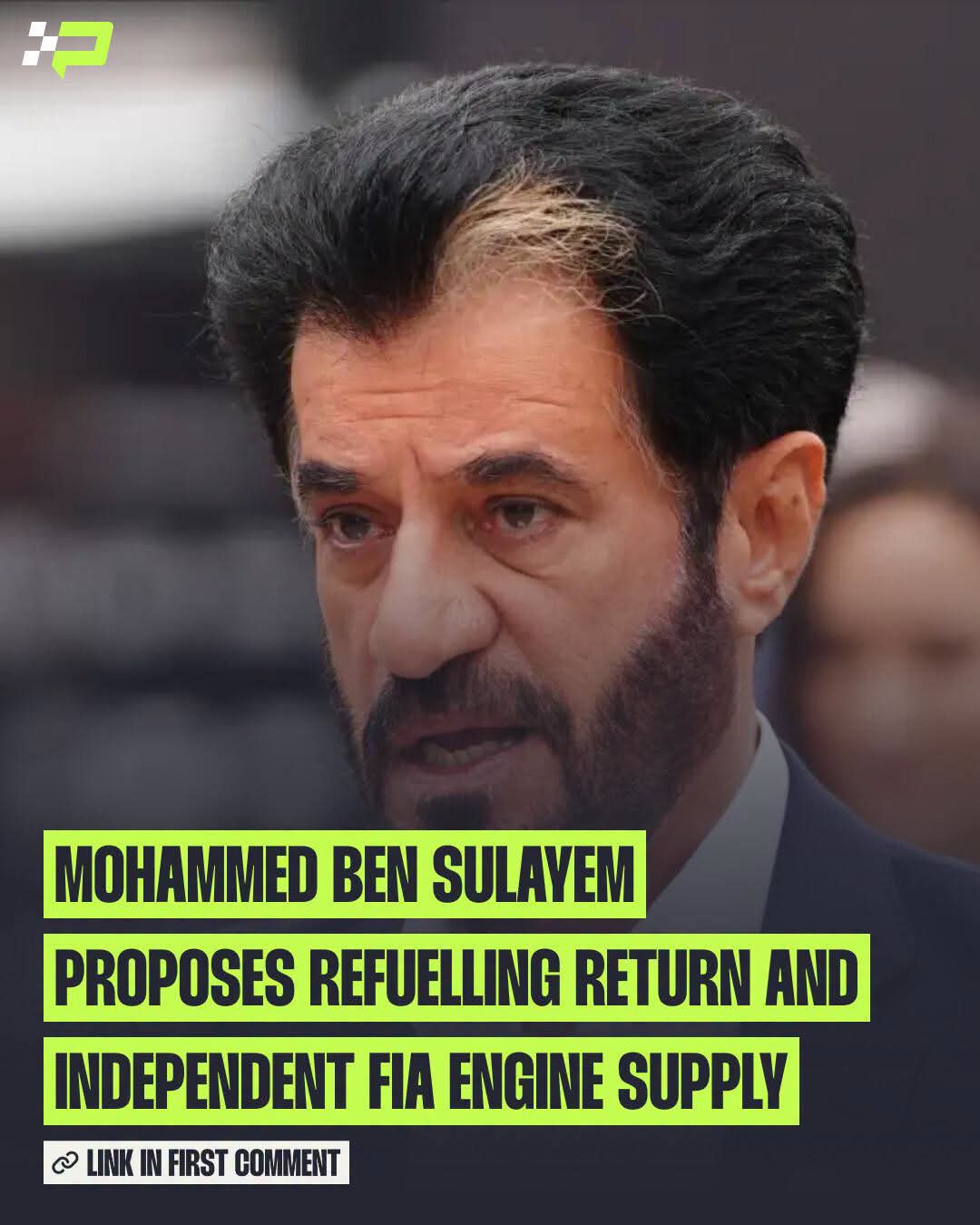
Formula 1 could be heading toward one of its biggest technical revolutions in decades after FIA President Mohammed Ben Sulayem revealed that the governing body is studying the return of race refuelling while also exploring the creation of an independent FIA-backed engine supplier. Although no formal rule changes have been approved, the proposals have already sparked widespread debate across the paddock, with teams, manufacturers, and fans weighing the potential impact on the future of the sport.
The comments come as Formula 1 continues its transition toward greater sustainability while trying to balance performance, cost control, and entertainment. Ben Sulayem’s latest vision suggests the FIA is willing to challenge long-standing conventions if it believes the changes will improve competition and reduce costs.
REFUELLING COULD MAKE A SURPRISING RETURN TO FORMULA 1
One of the most eye-catching proposals is the possible reintroduction of refuelling during Grands Prix. The practice was banned after the 2009 season, largely due to safety concerns and the desire to simplify race strategy while reducing operational costs.
According to Ben Sulayem, however, modern technology and improved safety procedures mean the FIA believes the concept deserves another evaluation. He emphasized that no final decision has been made, but confirmed the governing body is actively studying how refuelling could work alongside sustainable fuels and future hybrid systems.
If implemented correctly, refuelling could dramatically alter race strategy, allowing teams to run lighter cars for longer portions of the race while opening up new tactical opportunities during pit stops.
AN INDEPENDENT FIA ENGINE SUPPLIER COULD TRANSFORM THE GRID
Perhaps even more significant is Ben Sulayem’s proposal for an FIA-selected independent engine supplier.
Currently, customer teams rely on major manufacturers such as Mercedes, Ferrari, and Red Bull Ford for power units. While these partnerships have generally been successful, critics have long questioned whether customer teams always receive identical equipment or enjoy the same level of technical support as factory operations.
Ben Sulayem believes introducing an independent engine option could eliminate any perceived political influence from manufacturers while giving smaller teams greater technical independence.
The proposal would also prevent manufacturers from using engine supply relationships as leverage during discussions involving governance, regulations, or commercial agreements.
WHY THESE CHANGES MATTER FOR FORMULA 1’S FUTURE
Formula 1 is entering a period of major transition.
The sport continues expanding globally, attracting new manufacturers, welcoming Cadillac to the grid, and preparing for future engine regulation cycles beyond the current 2026 framework.
At the same time, development costs continue rising despite financial regulations, making affordability an increasingly important issue for independent teams.
By exploring both refuelling and alternative engine supply models, the FIA appears focused on creating a championship that remains competitive while preventing costs from spiraling out of control.
If successful, these ideas could make Formula 1 more attractive for future entrants while strengthening competition throughout the field.
BEN SULAYEM’S LONG-TERM ENGINE VISION GOES EVEN FURTHER
The FIA President has also continued advocating for lighter, simpler Formula 1 cars powered by naturally aspirated V8 engines combined with sustainable fuels and limited hybrid assistance.
His vision centers around reducing vehicle weight significantly while maintaining environmental responsibility through cleaner fuels rather than relying on increasingly complex hybrid technology.
Supporters argue that such an approach would lower development costs, improve reliability, restore the iconic Formula 1 engine sound, and produce more agile racing machines.
Critics, however, question whether manufacturers investing billions in hybrid technology would support such a dramatic shift.
MANUFACTURERS MAY NOT ALL SUPPORT THE PROPOSALS
Not every stakeholder appears convinced.
Current engine manufacturers have invested enormous financial and technical resources into Formula 1’s sophisticated hybrid power units. Moving toward standardized engines or simplified regulations could reduce the competitive advantage these manufacturers currently enjoy.
Renault CEO Francois Provost has already indicated that Alpine has no plans to independently develop a new V8 power unit under the suggested framework, highlighting the practical challenges involved in any future transition.
As with every major regulation change, balancing the interests of manufacturers, independent teams, sponsors, broadcasters, and fans will be essential before any proposals become reality.
FANS COULD BENEFIT FROM A MORE EXCITING SPORT
From a spectator’s perspective, many of Ben Sulayem’s ideas target long-standing fan complaints.
Refuelling could introduce greater strategic variety during races, while lighter cars would likely improve overtaking, braking performance, and overall racing quality. A return to louder engines would also satisfy many traditional fans who miss Formula 1’s unmistakable soundtrack.
Whether these proposals ultimately succeed will depend on detailed technical studies, commercial negotiations, and support from Formula 1 teams.
THE ROAD TO CHANGE IS ONLY BEGINNING
At this stage, none of Ben Sulayem’s proposals have been formally adopted, and Formula 1’s existing regulations remain unchanged. Nevertheless, the fact that the FIA is openly evaluating such significant reforms demonstrates its willingness to rethink the sport’s long-term direction.
If discussions continue gaining momentum, Formula 1 could enter the next decade with a very different technical identity—one shaped by lighter cars, revised engine regulations, new supplier models, and possibly the return of refuelling for the first time in more than twenty years.
For now, the conversation has only just begun, but the decisions made over the coming years could define Formula 1’s next generation.