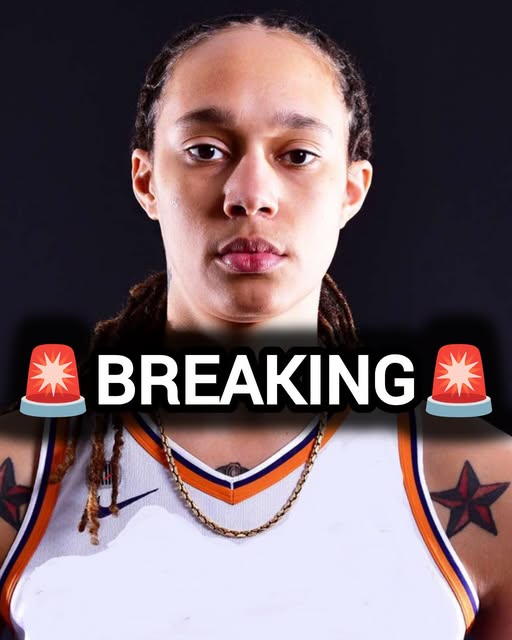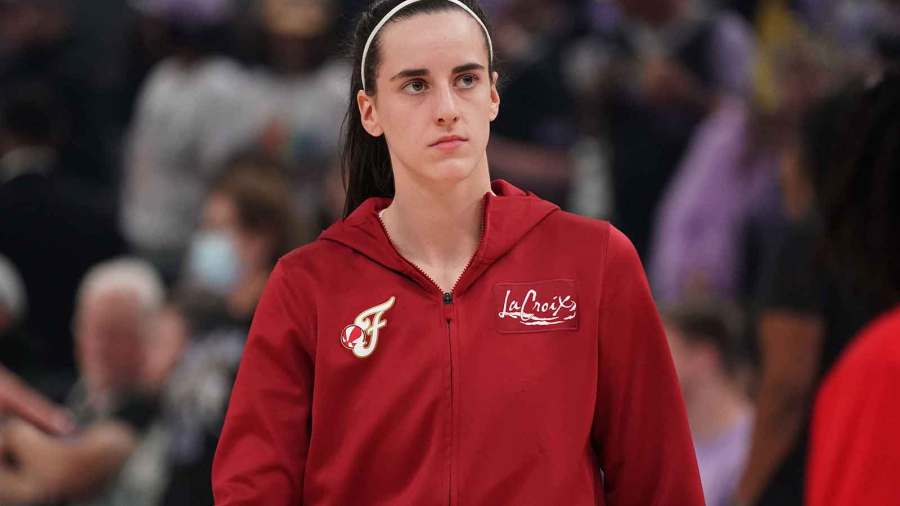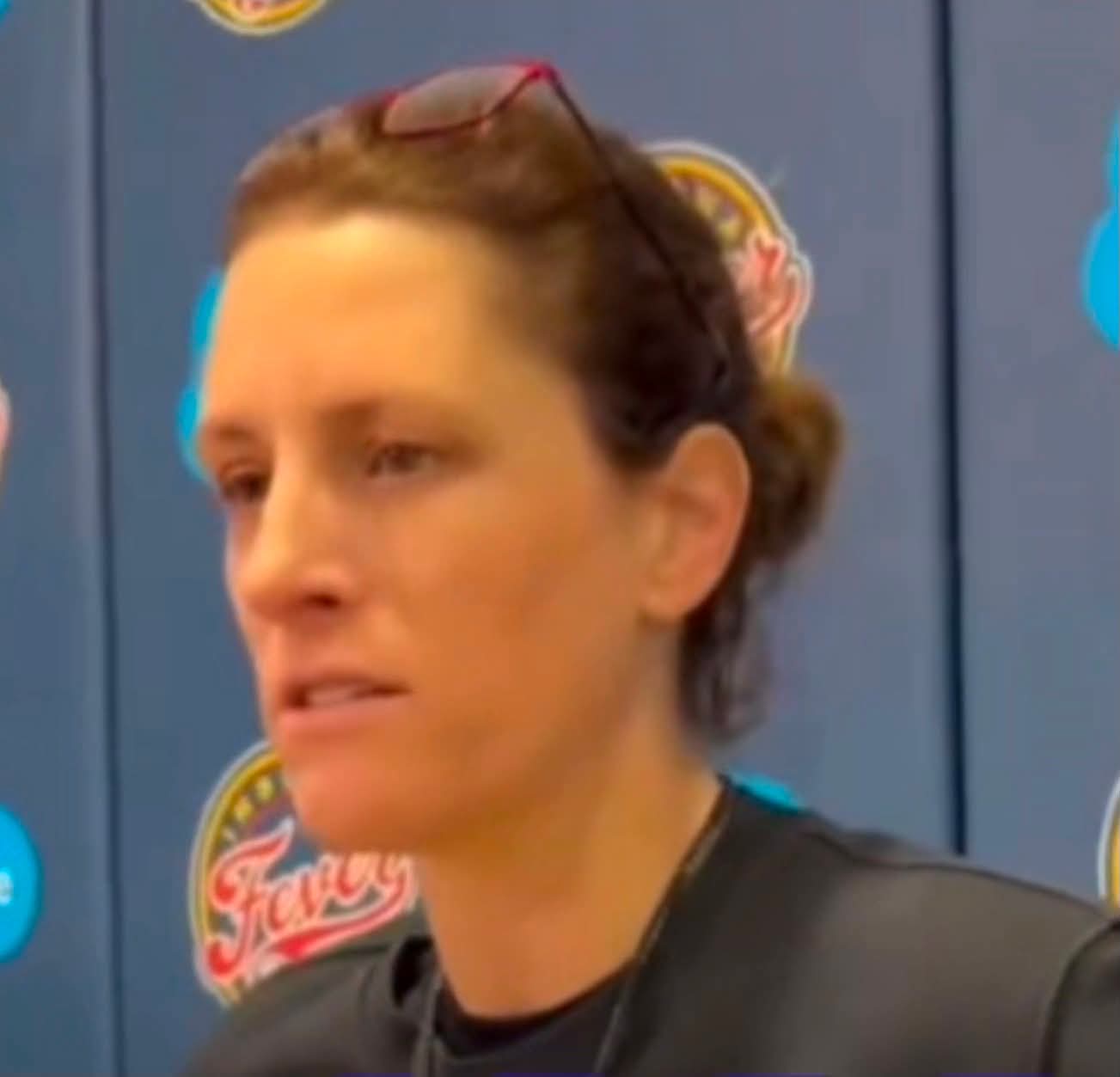
The conversation surrounding Indiana Fever head coach Stephanie White has taken another dramatic turn as passionate fans continue debating her leadership, particularly her public support for franchise superstar Caitlin Clark. Recent comments from White condemning racism, death threats, and harassment directed toward Phoenix Mercury star Alyssa Thomas were widely praised across the basketball community. However, they also reignited criticism from some Fever supporters who believe White has not shown the same public intensity when defending Clark throughout a season filled with physical play and controversy.
While there is broad agreement that no athlete should ever face racism, threats, or abuse, the latest debate centers on consistency rather than the substance of White’s comments. Some fans argue that White has been outspoken when addressing issues involving opposing players but comparatively restrained when Clark has been involved in contentious situations. Whether that perception is fair or not, it has become another storyline surrounding one of the WNBA’s most closely watched teams.
WHY STEPHANIE WHITE’S COMMENTS HAVE SPARKED DEBATE
White recently condemned the harassment directed at Alyssa Thomas following her one-game suspension for contact involving Caitlin Clark. Her message emphasized that racism, death threats, and personal attacks have no place in sports or society.
Few disagreed with that stance. Instead, criticism emerged from a section of Fever fans who questioned why they rarely hear equally forceful public statements when Clark becomes the subject of hard fouls, controversial officiating, or intense media criticism.
Those supporters believe a franchise player should consistently feel protected by her head coach—not only privately behind closed doors but publicly when situations demand leadership.
THE PERCEPTION OF A DOUBLE STANDARD
Whether justified or not, perception often shapes public opinion as much as reality.
Throughout Clark’s young WNBA career, she has experienced physical defensive attention unlike almost any rookie or second-year player in league history. Several incidents have resulted in league reviews, flagrant fouls, suspensions, and endless media debate.
Some Fever fans expected White to become Clark’s strongest public advocate during those moments. Instead, many feel her responses have generally remained measured and diplomatic.
Others argue that White’s approach reflects professionalism rather than indifference, choosing to avoid escalating controversies while protecting the team internally.
The difference between those viewpoints continues to divide the fan base.
HAS THE FEVER’S CULTURE CHANGED?
Beyond individual incidents, some supporters believe Indiana’s overall atmosphere feels noticeably different compared to last season.
The 2024 Fever were often described as an energetic, resilient group learning together while building around Clark’s arrival. Although inconsistent, the team frequently displayed visible chemistry and enthusiasm that resonated with fans.
This season, however, some observers believe the mood appears more tense. Increased expectations, championship ambitions, constant national attention, and recurring controversies have created a far more demanding environment.
Whether that reflects coaching, roster dynamics, media pressure, or simply the natural evolution of a contender remains open to interpretation.
SHOULD STEPHANIE WHITE’S FUTURE DEPEND ON A CHAMPIONSHIP?
Some frustrated supporters have gone even further, arguing that anything short of a championship should lead to White’s dismissal.
That remains an opinion rather than an objective assessment.
Evaluating a coach typically involves far more than wins and losses. Front offices consider player development, locker-room culture, tactical adjustments, injury management, long-term planning, and overall organizational progress alongside postseason success.
Indiana entered the season with significantly higher expectations than a year ago. If the Fever fall short of those goals, questions about every aspect of the organization—including coaching—will naturally become louder.
CAITLIN CLARK REMAINS THE CENTER OF EVERY CONVERSATION
Regardless of where fans stand on White, one fact remains undeniable: almost every major discussion surrounding the Fever eventually circles back to Caitlin Clark.
Clark’s popularity has transformed Indiana into one of the WNBA’s biggest attractions, bringing unprecedented television ratings, attendance, sponsorship interest, and media coverage.
That visibility also means every coaching decision, every officiating controversy, and every public statement receives far greater scrutiny than it might for other teams.
The pressure on both Clark and White has therefore become inseparable.
WHAT HAPPENS NEXT?
The remainder of the season could determine whether these concerns fade or intensify.
Winning has a way of quieting criticism. A deep playoff run—or even a championship—would likely reshape much of the current narrative surrounding White’s leadership.
Conversely, if Indiana underperforms despite its talented roster, questions about coaching philosophy, player relationships, and organizational direction are almost certain to grow louder during the offseason.
The Fever still possess one of the league’s highest ceilings, but realizing that potential will require unity both on and off the court.
FINAL THOUGHTS
Stephanie White’s recent comments supporting Alyssa Thomas have reopened an ongoing conversation among Indiana Fever fans about coaching, leadership, and public advocacy for Caitlin Clark. While everyone agrees that racism, harassment, and death threats have no place in sports, opinions remain sharply divided over whether White has consistently defended her own franchise player with the same visible passion.
Ultimately, those criticisms reflect fan perspectives rather than established fact. What will matter most moving forward is whether the Fever can translate their talent into sustained success. If Indiana delivers a championship-caliber season, many of today’s debates may quickly disappear. If not, scrutiny of White’s leadership—and the franchise’s overall direction—is unlikely to fade anytime soon.