The conversation surrounding a recent on-court collision between Alyssa Thomas and Caitlin Clark has evolved into something far more significant than a debate over a single basketball play. What began as a controversial moment during a WNBA game has now become a league-wide discussion about online harassment, player safety, fan responsibility, and the growing pressures that come with the sport’s rising popularity.
After receiving league discipline for the incident, Thomas has publicly stated that she has faced death threats and accusations of racism in the days that followed. Her comments have highlighted a troubling reality facing many professional athletes: criticism is part of sports, but personal threats and abusive behavior are not.
As the WNBA continues to reach new audiences and generate record levels of interest, the league is also confronting challenges that often accompany rapid growth.
THE INCIDENT THAT TRIGGERED THE DEBATE
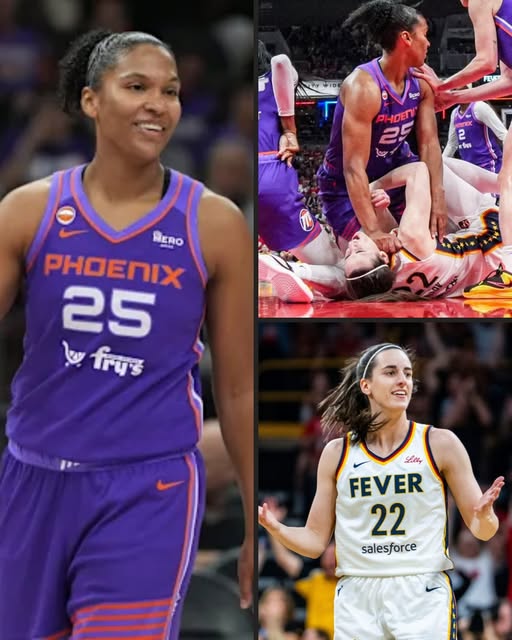
The controversy stems from a physical play involving Thomas and Indiana Fever star Caitlin Clark during last week’s game.
The collision immediately generated widespread discussion among fans and media. While some viewed the contact as overly aggressive and supported the league’s disciplinary action, others argued it reflected the physical style that has long been part of professional basketball.
Regardless of differing opinions about the play itself, the reaction extended far beyond normal sports debate.
Within hours, social media became flooded with slow-motion replays, commentary, and heated arguments that quickly escalated into personal attacks directed at players.
THOMAS SPEAKS OUT ABOUT ONLINE HARASSMENT
Thomas said the aftermath of the incident has been more difficult than the play itself.
According to her public comments, she has received threatening messages and abusive language following the game. She emphasized that while athletes understand criticism comes with competing at the highest level, threats against players and their families should never become part of the conversation.
Professional athletes routinely perform under enormous pressure, but personal safety should never be compromised because of an on-court incident.
Her remarks have resonated with many players around the league, regardless of where they stand on the original basketball play.
CAITLIN CLARK’S STAR POWER BRINGS UNPRECEDENTED ATTENTION
Few athletes have changed the visibility of a professional league as dramatically as Caitlin Clark.
Since entering the WNBA, Clark has helped drive television ratings, increase attendance, attract new sponsors, and introduce millions of fans to women’s professional basketball. Every Fever game now receives national attention, and nearly every controversial moment involving Clark becomes a headline within minutes.
That level of exposure has benefited the league financially and commercially, but it has also intensified public scrutiny of players, coaches, referees, and league officials.
Every hard foul, officiating decision, or postgame comment is now analyzed from countless angles across television, podcasts, and social media platforms.
WHEN PASSIONATE FANDOM CROSSES THE LINE
Sports thrive because of passionate supporters.
Fans debate officiating decisions, celebrate victories, and defend their favorite players with incredible enthusiasm. However, the line is crossed when competitive emotions turn into harassment, intimidation, or threats.
Athletes across nearly every major professional league have spoken about the increasing volume of online abuse they receive after controversial games.
The WNBA is now confronting many of the same issues that larger sports leagues have experienced for years as their digital audiences expanded.
Growing popularity inevitably brings greater visibility, but it also increases the importance of protecting players from harmful behavior.
THE LEAGUE’S BIGGEST CHALLENGE GOES BEYOND OFFICIATING
Much of the public discussion has centered on whether officials and the league handled the original play appropriately.
That remains an important conversation.
Consistency in officiating is essential for maintaining player confidence and competitive fairness. However, the bigger challenge may be ensuring that players feel protected once games end.
Professional leagues cannot control every interaction on social media, but they can strengthen security resources, improve communication with players, cooperate with law enforcement when credible threats emerge, and consistently condemn abusive conduct.
Those measures become increasingly important as fan engagement continues to grow.
WHAT THIS MEANS FOR THE WNBA’S FUTURE
The WNBA has entered one of the most exciting periods in its history.
Television audiences continue to rise, sponsorship opportunities are expanding, and the league is attracting unprecedented mainstream attention. That momentum presents enormous opportunities, but it also creates new responsibilities.
League officials must continue balancing physical, competitive basketball with player safety while addressing the realities of modern social media.
How effectively those issues are managed could influence public perception of the league for years to come.
WHY THIS MOMENT MATTERS
The controversy involving Alyssa Thomas and Caitlin Clark is about more than one disputed play.
It reflects the growing pains of a league experiencing rapid expansion, where every major moment carries national attention and every controversy spreads almost instantly online.
Healthy debate will always be part of sports. Personal attacks, abusive language, and threats should never become acceptable responses to competition.
If there is one lesson to emerge from this situation, it is that protecting athletes must extend beyond the court. The continued success of the WNBA depends not only on outstanding basketball but also on creating an environment where every player can compete without fearing harassment away from the game.
As the league continues its remarkable rise, addressing those challenges will be just as important as the action taking place during the 40 minutes on the court.