The WNBA’s biggest storyline is no longer just about what happens between the lines. It has become a broader conversation about player safety, league accountability, and the increasingly hostile environment athletes face on social media.
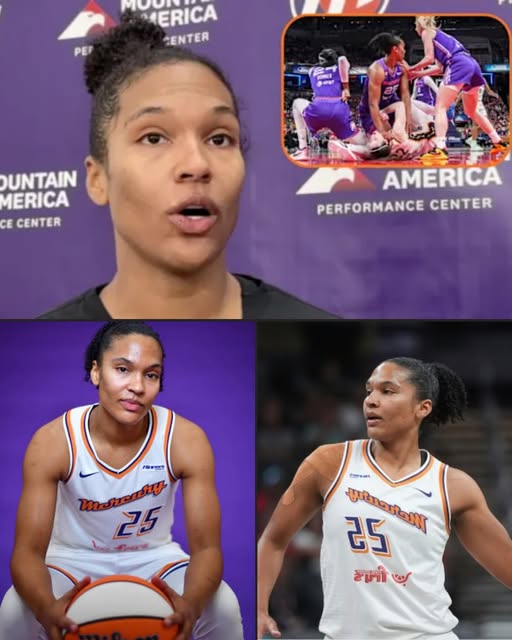
Following her suspension for a hard foul involving Indiana Fever star Caitlin Clark, Alyssa Thomas has publicly addressed the backlash she has received, revealing that she has been subjected to death threats and racist abuse in the aftermath of the incident. While opinions remain divided over the play itself, Thomas’s comments have shifted the focus toward a much larger issue: how professional sports leagues protect their players both on and off the court.
As the WNBA continues experiencing record growth, moments like this highlight the challenges that come with greater visibility and passionate fan engagement.
THE INCIDENT THAT SPARKED A LEAGUE-WIDE DEBATE
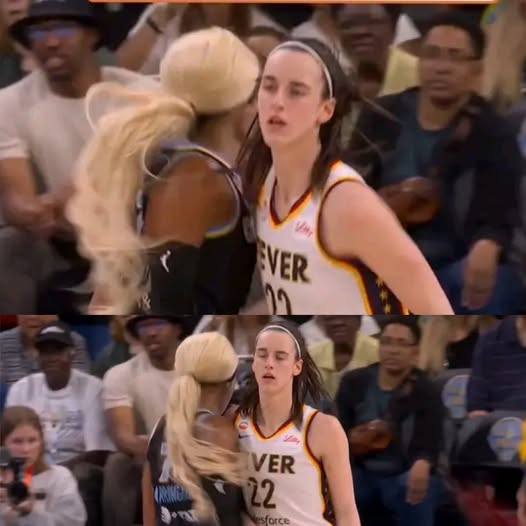
The controversy began after a physical play involving Thomas and Clark during last week’s game. Although officials did not immediately penalize the play during live action, the WNBA later reviewed the footage and suspended Thomas.
The decision generated intense debate throughout the basketball community.
Some fans believed the league acted appropriately by disciplining dangerous contact, while others argued the collision reflected the physical nature of professional basketball rather than malicious intent.
Regardless of which side fans supported, the incident quickly became one of the most discussed moments of the WNBA season.
THOMAS SAYS THE BIGGER ISSUE IS PLAYER SAFETY
Speaking publicly after the suspension, Thomas expressed frustration over what she described as a lack of league support regarding threats directed at players.
She said the situation has gone far beyond basketball, pointing to online harassment, leaked personal information, and threatening messages aimed at both herself and teammates.
Thomas also indicated that her concern extends beyond the suspension itself. Instead, she believes protecting players from intimidation and abuse should be a higher priority for the league as its popularity continues to rise.
No competitive rivalry or controversial play should result in athletes fearing for their personal safety.
THE WNBA RESPONDS TO THE GROWING CONCERNS
Following Thomas’s remarks, the WNBA condemned hate speech and confirmed that it is working with the relevant team and security personnel regarding player safety.
While disciplinary decisions often dominate headlines, incidents involving online abuse present a more complicated challenge. Professional leagues have limited control over anonymous social media users, but they can strengthen security measures, improve communication with players, and work alongside law enforcement when credible threats emerge.
As the league continues to attract larger audiences, these situations are likely to become increasingly important.
CAITLIN CLARK’S POPULARITY CONTINUES TO CHANGE THE LEAGUE
Few athletes have transformed a professional league as quickly as Caitlin Clark.
Her arrival has driven record television ratings, increased attendance, expanded sponsorship opportunities, and introduced millions of new fans to the WNBA. That extraordinary level of attention has benefited not only the Indiana Fever but the entire league.
However, unprecedented visibility also means that nearly every game involving Clark becomes a national story.
Routine fouls, controversial officiating decisions, and postgame comments now receive significantly more attention than similar situations involving most other players. While that exposure helps grow the sport, it also creates additional pressure on everyone involved—from players and coaches to referees and league executives.
PHYSICAL PLAY REMAINS PART OF PROFESSIONAL BASKETBALL
The debate surrounding this incident has also reignited discussion about how physical the WNBA should be.
Elite players often receive extra defensive attention because opponents recognize their offensive impact. Clark is no exception. Defenders routinely attempt to disrupt her rhythm with aggressive, physical defense, while officials must constantly determine where legal contact ends and unnecessary contact begins.
Maintaining that balance is one of the most difficult responsibilities for referees.
The league must continue enforcing rules consistently while preserving the competitive intensity that has long defined professional basketball.
WHY ONLINE HARASSMENT IS BECOMING A MAJOR ISSUE IN SPORTS
Social media has fundamentally changed the relationship between athletes and fans.
Players now interact directly with millions of supporters, creating stronger connections than ever before. Unfortunately, those same platforms can also amplify hostility following controversial moments.
Across professional sports, leagues have seen increases in online abuse directed toward athletes after high-profile games, disciplinary decisions, and officiating controversies.
The WNBA is not alone in facing this challenge, but its rapidly expanding audience makes addressing the issue increasingly urgent.
Creating a safer environment for players requires cooperation between leagues, teams, digital platforms, and law enforcement whenever credible threats arise.
WHAT THIS MEANS FOR THE WNBA MOVING FORWARD
The league now faces two separate but equally important responsibilities.
First, it must continue improving consistency in officiating and discipline so players, coaches, and fans understand how physical plays will be evaluated.
Second, it must demonstrate that protecting athletes extends beyond the basketball court. Clear communication, visible support for players, and swift responses to threats will become increasingly important as the league’s profile continues to grow.
The success of the WNBA has brought unprecedented attention to its athletes. Managing the challenges that accompany that growth may become just as important as expanding television audiences or increasing attendance.
THE BIGGER PICTURE
The controversy surrounding Alyssa Thomas and Caitlin Clark reflects more than one disputed play. It illustrates the growing pains of a league entering a new era of popularity.
Competitive rivalries, passionate fan bases, and physical basketball are all healthy parts of professional sports. Personal attacks, racism, harassment, and death threats are not.
As the WNBA continues its remarkable rise, how it balances competitive intensity with player protection could help define the league’s reputation for years to come.
For Thomas, Clark, their teammates, and the league as a whole, the hope is that future conversations focus more on outstanding basketball than online hostility. That outcome would benefit not only the players involved but also the continued growth and credibility of the WNBA.