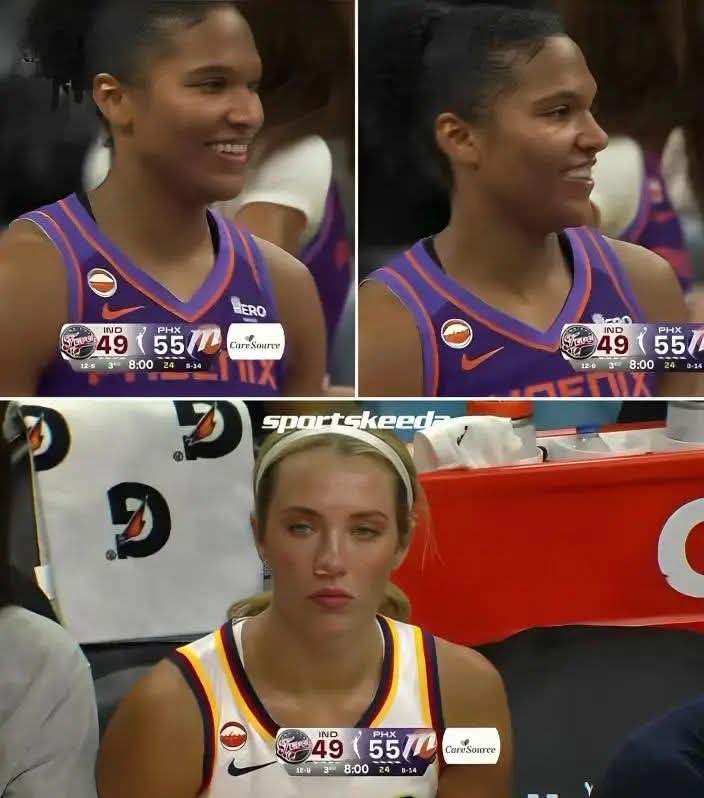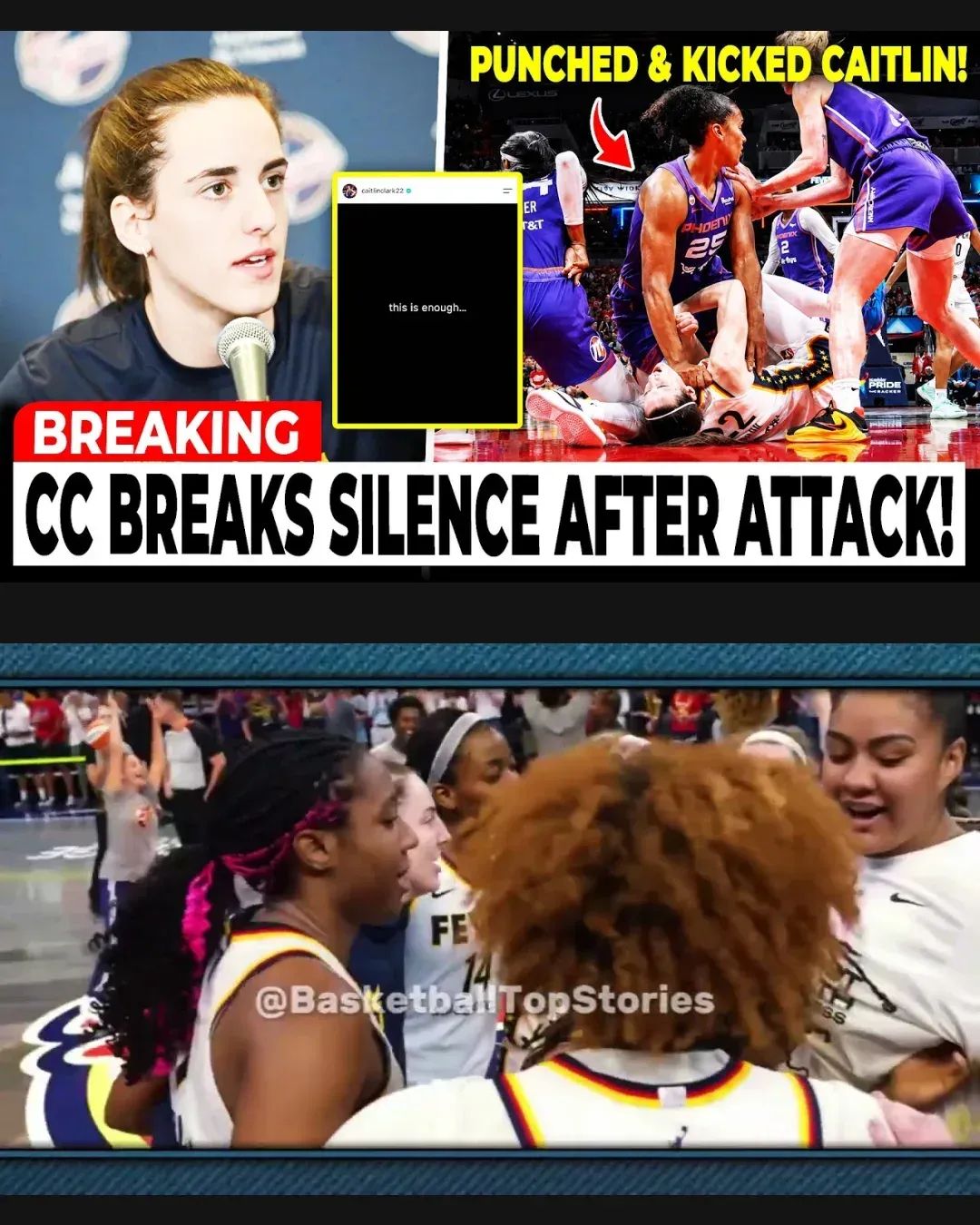
Caitlin Clark’s injury during Indiana Fever’s matchup against the Phoenix Mercury has reignited widespread debate over the WNBA’s handling of physical play and officiating standards. Throughout the game, Clark was involved in several hard collisions with Mercury star Alyssa Thomas, including moments that many fans and analysts argued deserved harsher penalties. Despite the repeated contact, officials allowed play to continue, fueling criticism from supporters who believe the league has failed to adequately protect one of its biggest stars.
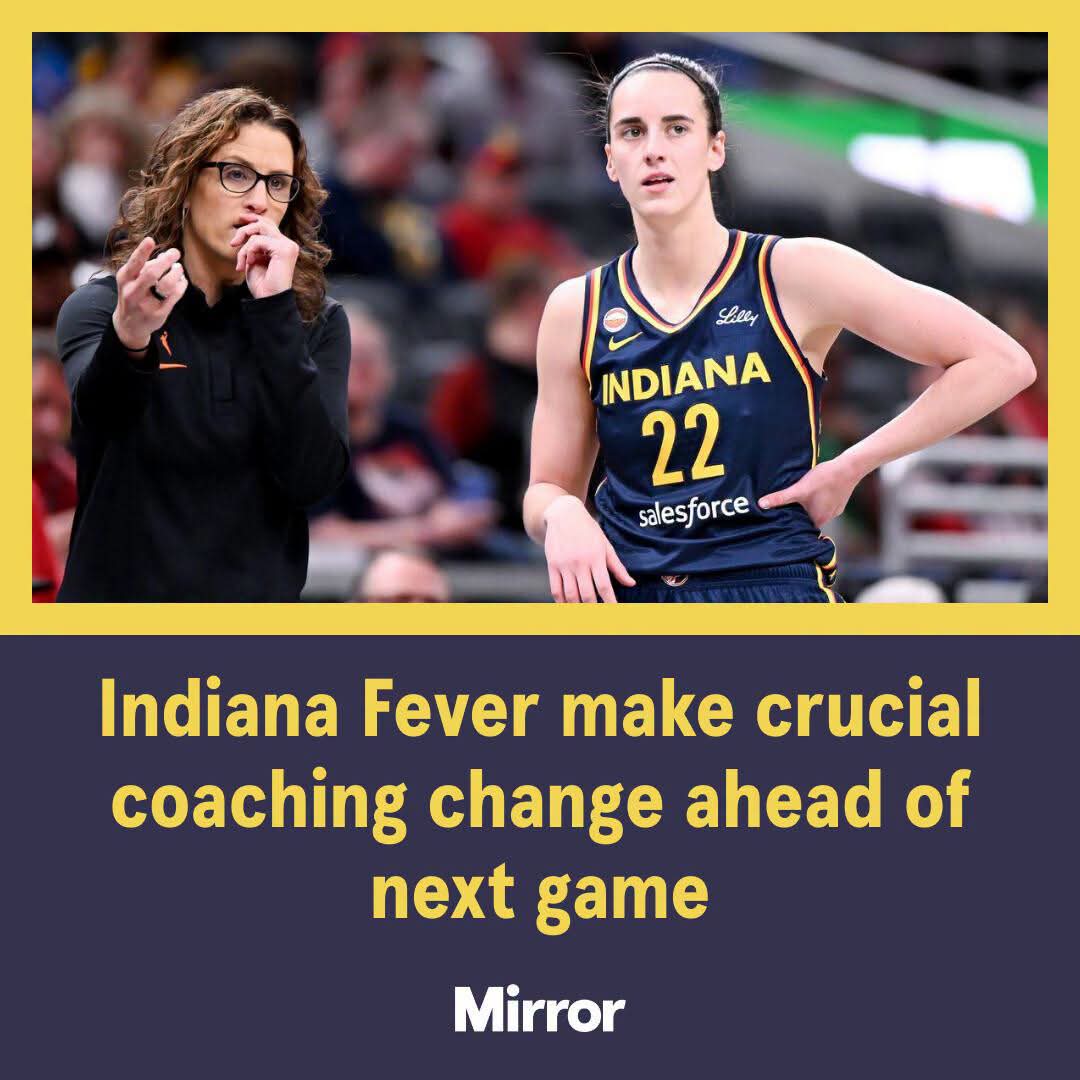
The contest was already expected to be physical after tensions flared between the two teams in their previous meeting. Clark nevertheless made an immediate impact, scoring 19 points while adding eight assists in fewer than 20 minutes before leaving with a back injury. Head coach Stephanie White later voiced her frustration, claiming multiple incidents involving Clark were either overlooked or handled inconsistently by the officiating crew. White argued that the officiating affected not only Clark’s safety but also the overall balance of the game.
Indiana remained competitive despite losing its floor general. Aliyah Boston delivered 23 points and nine rebounds, while Kelsey Mitchell poured in 30 points to keep the Fever within striking distance. However, several late-game foul calls and a flagrant foul assessment against Boston shifted momentum toward Phoenix. Those decisions, combined with Clark’s absence, ultimately proved costly as the Mercury closed out the victory.
After the game, White described the officiating as unacceptable and questioned the consistency of calls throughout the contest. She revealed that concerns about one of the incidents involving Clark had been raised with officials during halftime but believed no meaningful adjustments followed. Meanwhile, Clark drew attention on social media with a brief post that many interpreted as expressing frustration over the events of the night, further intensifying discussion across the basketball community.
The incident has since become one of the WNBA’s biggest talking points, with fans, media personalities, and former players debating whether the league should review the contested plays or take disciplinary action. As of the immediate aftermath, no official announcement regarding additional penalties or suspensions had been made. The controversy has once again placed the spotlight on player safety, officiating consistency, and how the league plans to handle increasingly physical contests involving its marquee talent.