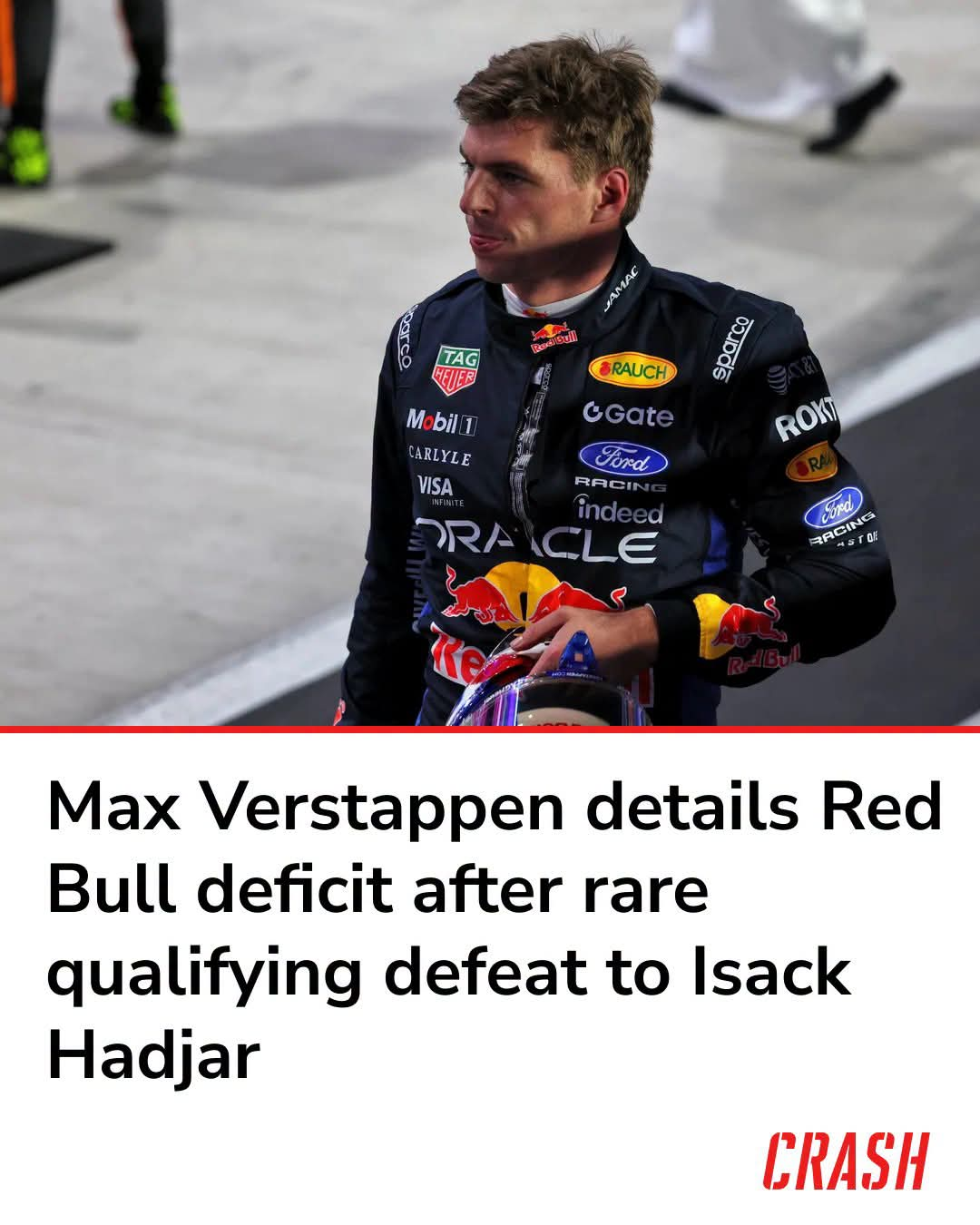
Max Verstappen did not sugar-coat the situation after Friday practice at the Lusail International Circuit. The four-time world champion made it clear that Red Bull’s RB22 is currently fighting itself on a track that rewards precision through high-speed corners, and the team has work to do before qualifying and the race.
Coming off a strong result in Las Vegas, where straight-line speed and heavy braking zones played to different strengths, the Dutchman arrived in Qatar knowing the circuit’s character would be different. Lusail is a flowing, high-commitment layout with long, loaded corners and only one proper low-speed turn. That combination immediately exposed a lack of harmony between the front and rear of the Red Bull.
A DISCONNECTED CAR AND HEAVY STEERING
Verstappen described the balance as “a bit too disconnected” and said it was costing the team significant lap time. He reported chronic understeer early in the day and later complained of very heavy steering. The car simply would not give him the confidence or the platform he needed to attack the fast sequences the way he usually does.
Technical director Pierre Waché was equally open about the challenge. The team is dealing with a “massive limitation” on the heavily loaded front-left tyre through medium- and high-speed corners. Adding enough front-end response risks upsetting the rear on entry. Mercedes appear to have solved that compromise more effectively, which showed in both short-run and long-run pace on Friday.
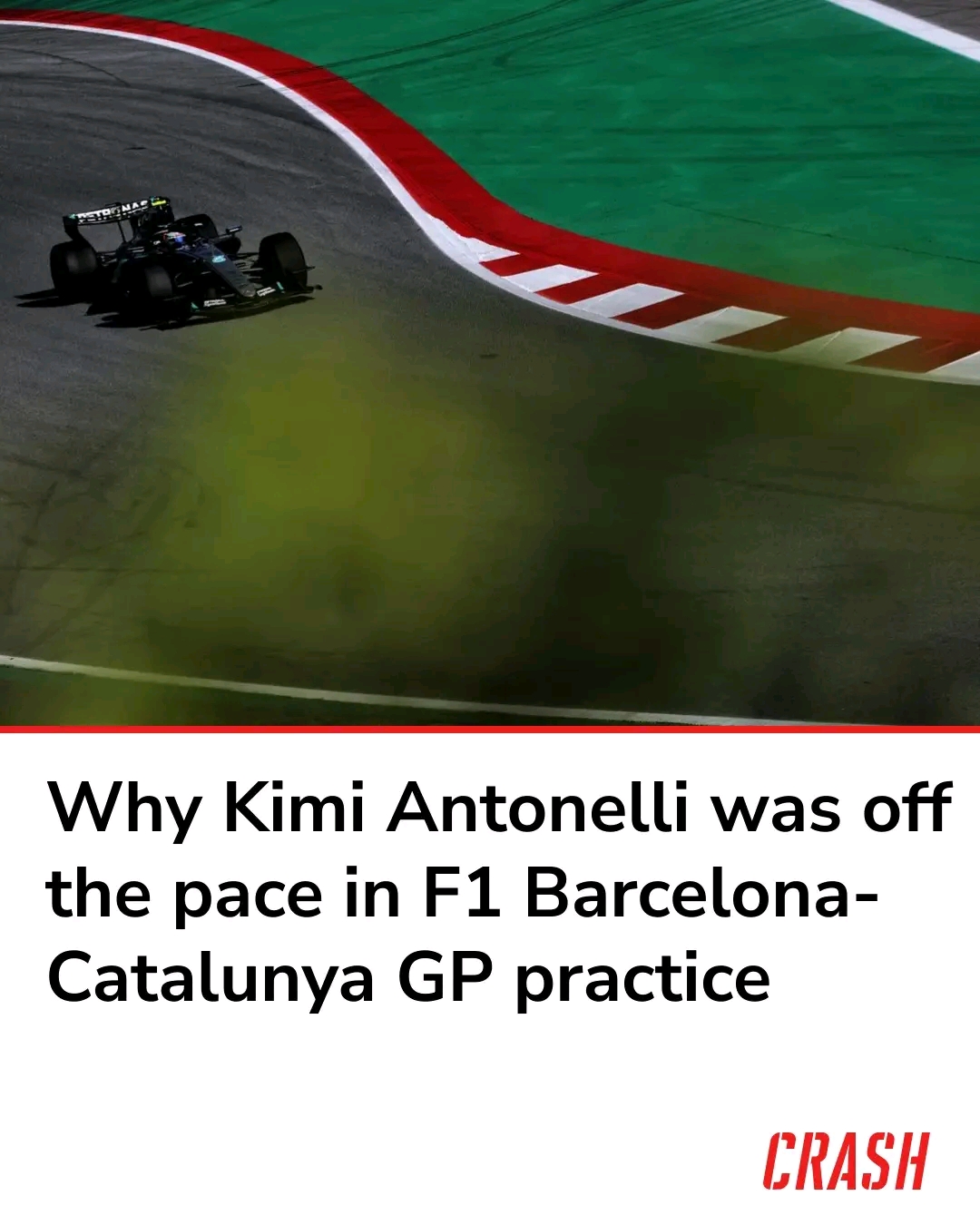
Verstappen finished the day fifth and sixth across the two sessions, with teammate Isack Hadjar close behind. The gap to the Mercedes pair, led by Kimi Antonelli, looked substantial. “They look quite far ahead in the short runs and long runs,” Verstappen admitted. “Let’s see how much we can close the gap.”
WHY THIS MATTERS FOR RED BULL AND THE CHAMPIONSHIP PICTURE
This is not a midfield story. Red Bull remains a frontrunner, and Verstappen is still capable of extracting more from an imperfect car than almost anyone else. But Lusail is unforgiving. A car that understeers or feels unpredictable through the long corners will lose time every single lap, and tyre management becomes harder when the driver is constantly correcting.
With the 2026 season heading into its final stretch and Antonelli already confirmed as champion in some reports, the remaining races are about pride, constructors’ points, and momentum heading into the next regulation cycle. A poor weekend here would hand Mercedes a psychological edge and raise fresh questions about how quickly Red Bull can adapt its concept to different track characteristics.
The team has historically been strong at overnight development. Setup changes, aero tweaks, and suspension adjustments can transform the feel of a car between Friday and Saturday. Yet Waché’s comments suggested the problem is fundamental enough that a full fix may not arrive in one night. The goal is progress, not perfection.
BROADER IMPLICATIONS FOR THE SPORT
Stories like this reveal the reality of modern Formula 1. Even the best teams and drivers can be exposed when the track characteristics do not match the car’s current development direction. Red Bull has dominated periods of the hybrid era by building cars that were stable and predictable across a wide range of circuits. When that predictability disappears, the driver has to work harder and the performance window narrows.
For fans, it adds intrigue. A Verstappen who is fighting the car is often still competitive, but the margin for error shrinks. Qualifying becomes more about damage limitation and race strategy more about survival and opportunistic pit stops. It also puts pressure on the engineers and strategists who must deliver solutions under the tightest of timelines.
WHAT COMES NEXT
Saturday’s practice and qualifying will show whether Red Bull can close the balance gap. Verstappen has repeatedly shown an ability to maximise imperfect machinery, and Lusail’s night conditions can sometimes reward those who find grip later in the weekend. Still, the honest assessment from both driver and technical director leaves little room for complacency.
If Red Bull can restore some connection between the axles and ease the front-end limitation without destroying the rear, Verstappen will be back in the fight. If the car remains disconnected, the team faces a long afternoon of managing expectations and maximising whatever points remain available.
The Qatar Grand Prix has already delivered a clear message: even the strongest outfits in Formula 1 can be forced to confront their weaknesses in public. How quickly Red Bull responds will say a lot about where the team stands as the season heads toward its conclusion.