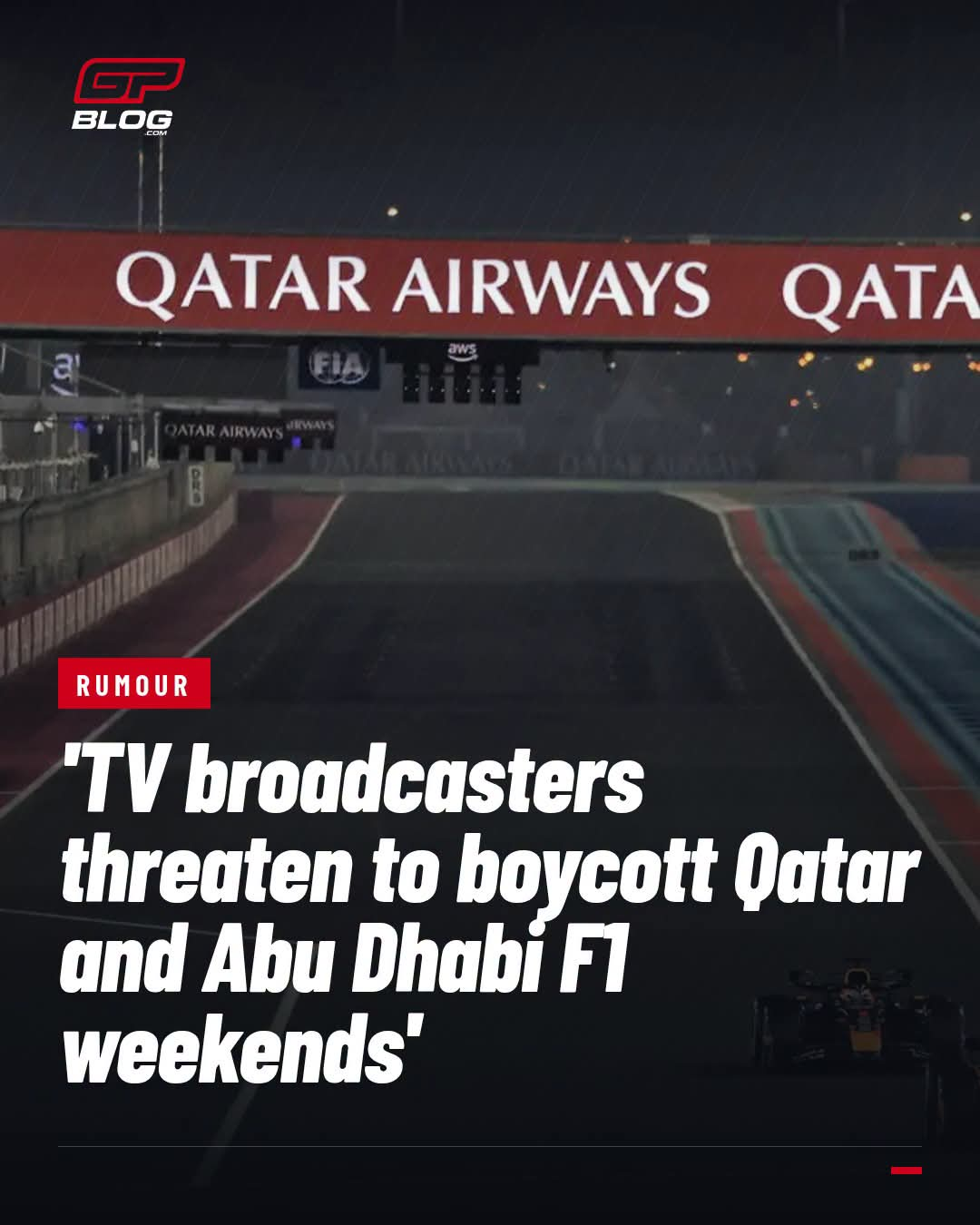
Most major MotoGP television partners are skipping the Qatar Grand Prix at Lusail International Circuit, choosing to cover the event from remote studios instead of sending crews on-site. Only DAZN is reported to be present in person. Networks including TNT Sports, Ziggo Sport, and Sky channels plan to present from home bases. This decision comes amid broader concerns about travel reliability and regional conditions affecting teams, officials, and media.
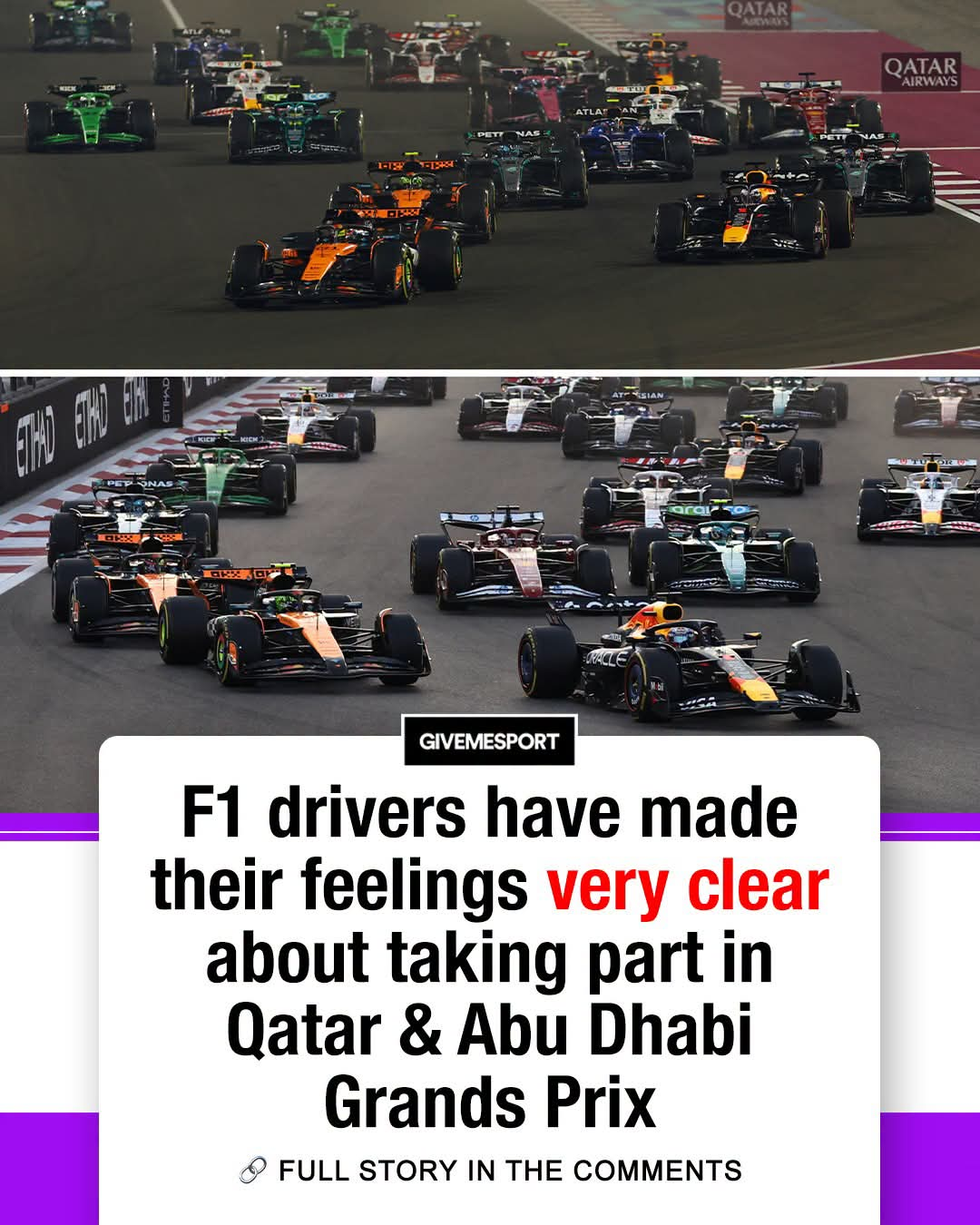
Yamaha has already withdrawn from the round. VR46 has indicated some staff will not travel. Formula 1 faces the same venue later in the month, with its Qatar Grand Prix scheduled for November 27–29. No F1 broadcaster has publicly confirmed remote presentation yet. The FIA has expressed confidence, with President Mohammed Ben Sulayem stating he would send staff to the Middle East, while F1 has urged drivers not to comment publicly on the races.
WHY MOTOGP BROADCASTERS ARE STAYING AWAY FROM LUSAIL
Risk assessments by several European broadcasters concluded that sending personnel carried unacceptable risks. Reports indicate TNT Sports, Ziggo Sport, Sky, ServusTV, and Canal+ are among those opting for remote coverage. This leaves a thinner media presence overall, with only limited journalists expected on the ground. The result is reduced on-site atmosphere, fewer pit-lane interviews, and coverage that relies more heavily on the official world feed and remote analysis.
This is not a full cancellation of the event. The race is proceeding, but the absence of traditional broadcast teams changes the viewer experience. Live commentary, expert insights from the paddock, and spontaneous moments that define modern motorsport coverage become harder to deliver when the talent and producers are thousands of miles away.
THE DIRECT QUESTION FOR FORMULA 1
Formula 1 arrives at the same circuit just weeks later. Broadcasters that cover both series or share similar operational standards now face an identical decision. Will Sky Sports F1, other major rights holders, and international partners follow the MotoGP example and keep crews at home? Or will they send full teams despite the same regional factors?
The logistics of modern grand prix coverage make remote production feasible. High-quality world feeds, multiple camera angles, onboard data, and reliable satellite or fiber links already allow sophisticated remote studios. Many sports have used hybrid models for years. The difference here is the concentration of key European broadcasters reaching the same conclusion at once for a single event.
IMPACT ON ATHLETES, TEAMS, AND THE SPORT
For riders and teams already dealing with Yamaha’s absence and partial staff withdrawals, a quieter media presence reduces the usual pressure and opportunity of a race weekend. Fewer cameras and microphones in the paddock can feel isolating, especially during a potentially decisive phase of the championship. Sponsors who value visibility through interviews and feature content also lose some of the traditional platform.
For the championship itself, the optics matter. A race that proceeds with limited media attendance risks looking diminished even if the on-track product remains strong. Liberty Media, which now owns both MotoGP and Formula 1, has invested heavily in elevating the motorcycle series with production values closer to F1 standards. Remote coverage at a key event undercuts that ambition, at least temporarily.
Viewers lose the texture that on-site teams provide: the atmosphere under the lights at Lusail, the heat of the paddock, the real-time reactions from team principals and riders. Remote studios can still deliver expert analysis and graphics, but the sense of being “there” is harder to manufacture.
BROADER INDUSTRY IMPLICATIONS AND PREDICTIONS
This episode highlights how fragile global sports logistics have become. Travel reliability, insurance costs, and duty-of-care obligations for staff now factor into decisions that once were automatic. Broadcasters, teams, and promoters must weigh commercial value against genuine risk assessments.
If F1 broadcasters ultimately follow MotoGP’s lead, it would set a notable precedent. It would signal that even the biggest series can adapt coverage models when conditions demand it. Remote production technology is mature enough that the quality drop need not be catastrophic. Yet repeated use of the model for high-profile events could gradually change expectations about what “live from the circuit” means.
Liberty Media’s dual ownership creates an interesting dynamic. Lessons from one series can transfer quickly to the other. Shared expertise in production, data, and fan engagement is already part of the stated plan. A coordinated approach to difficult venues could emerge, whether that means enhanced remote capabilities, adjusted calendars, or clearer communication protocols.
Looking ahead, expect more investment in robust remote infrastructure across motorsport. Expect also sharper internal debates about which events justify full on-site deployments. Calendar makers will face pressure to balance commercial appeal of certain locations against the practical realities of getting people there safely and reliably.
WHAT THIS MEANS FOR FANS RIGHT NOW
MotoGP fans tuning into the Qatar weekend will still get the race, the sprint, and the championship storylines. The coverage will simply feel more studio-based. For F1 fans, the coming weeks will reveal whether the same broadcasters draw the same line. The absence of confirmation so far leaves the question open.
Motorsport has always thrived on adaptation. Remote presentation is one more tool in the box. Whether it becomes a temporary solution for one difficult weekend or a more common feature of future calendars depends on how both series and their broadcast partners navigate the immediate challenges at Lusail. The on-track action remains the priority. The question is how fully the world will be able to share in the atmosphere that surrounds it.