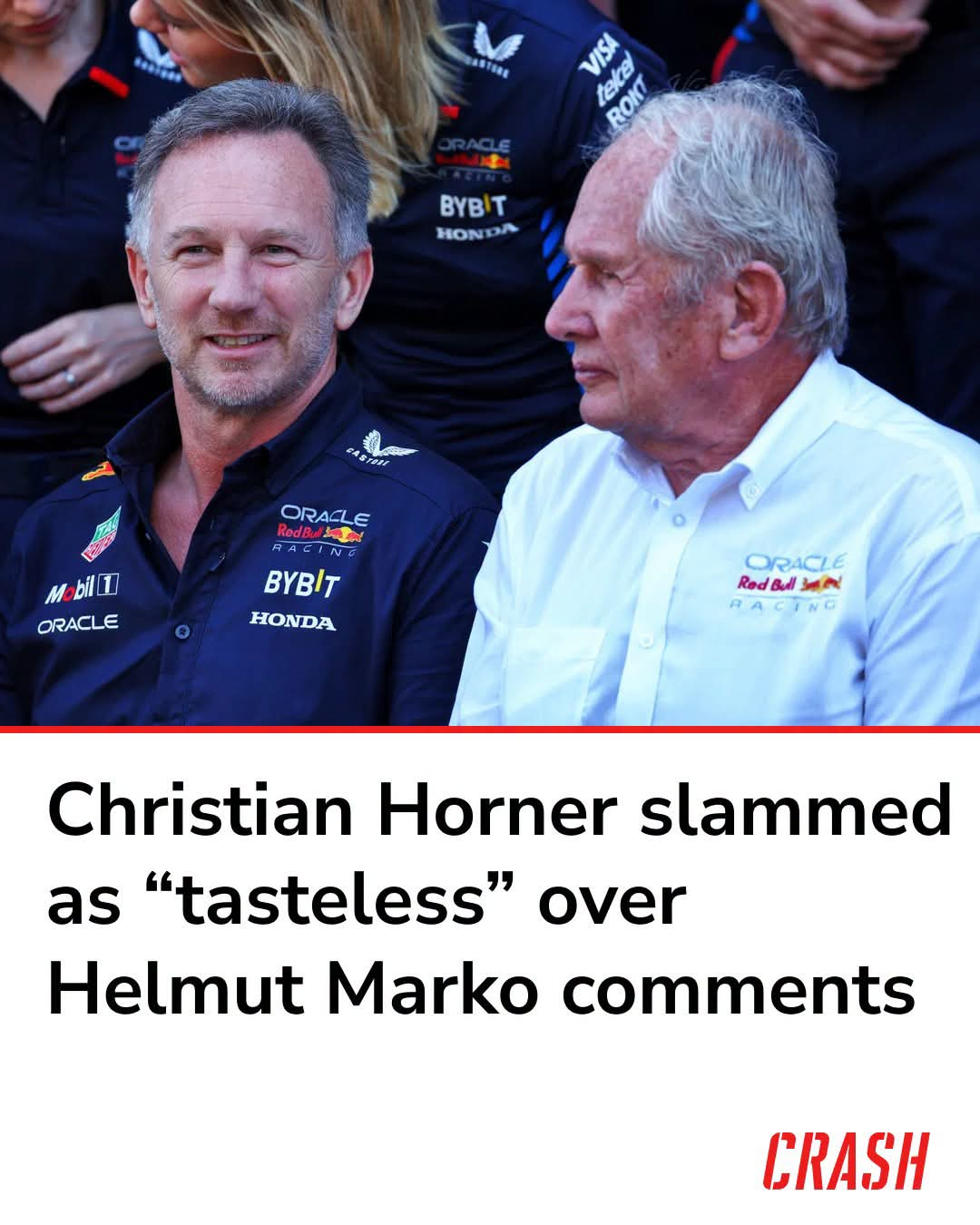
Former Red Bull team principal Christian Horner is facing sharp criticism for comments that some believe are damaging the very legacy he spent two decades building. Ralf Schumacher has labelled the remarks “tasteless,” arguing that Horner is undoing years of shared success by turning public fire on longtime ally Helmut Marko.
Horner, who led Red Bull Racing from its 2005 inception until his abrupt departure in July 2025, guided the team to eight drivers’ world championships and multiple constructors’ titles. His partnership with Marko formed the backbone of that dominance. Now, as Horner promotes his autobiography *Drive*, the gloves are off.
RALF SCHUMACHER CALLS HORNER’S REMARKS “TASTELESS” AND “A SHAME”
In recent interviews promoting the book, Horner claimed Marko played an active role in his sacking. He pointed to the painful timing: the dismissal came shortly after the death of Beverley Allen, his former partner and the mother of his daughter. Horner said Marko offered no condolences and that the episode “really got to me.” Their final meeting, he added, ended with a handshake in his office followed by complete radio silence.
Ralf Schumacher did not hold back in response. Speaking to Sky Germany, the former Formula 1 race winner said it was “nothing new” for Horner to be “a bit tasteless.” He continued: “I think that’s a shame. He is ruining all his own work, because he was very successful together with the team. He played a major role in influencing the engine with which Red Bull won races here. He got the people and then did something like that. That’s just a shame and sad.”
Schumacher’s comments capture a wider sentiment in the paddock. Many still view Horner as one of the most effective team principals of the modern era. Turning the spotlight on personal grievances so soon after leaving risks reframing a glittering record through the lens of bitterness.
THE LONG-RUNNING POWER STRUGGLE THAT TORE RED BULL APART
The Horner-Marko relationship was never simple. For years it functioned as a high-stakes partnership that delivered results. After Dietrich Mateschitz’s death in 2022, the balance of power inside Red Bull shifted. Corporate leadership in Austria sought tighter control over the Milton Keynes operation. Horner has said he was never given a clear reason for his exit but sensed he was viewed as having “too much control,” with some describing the team as “Christian Racing” rather than Red Bull Racing.
Marko has previously accused Horner of “dirty games” and attempting to align more closely with Thai co-owner Chalerm Yoovidhya. In response to extracts from *Drive*, Marko dismissed the book as “a collection of untruths” and declined to engage with the specific claims. The mutual accusations have left little room for reconciliation.
Horner was twice cleared by independent investigations of allegations of inappropriate behaviour made by a female employee in 2023-2024. Those episodes intensified internal tensions and contributed to the eventual rupture, even if they were not the stated reason for his departure.
WHY THIS MATTERS FOR RED BULL, THE ATHLETES, AND FORMULA 1
Legacy in Formula 1 is fragile. Drivers and team principals are judged not only by trophies but by how they exit and how they speak afterward. Horner’s record—transforming an energy-drink manufacturer into a serial champion—stands among the strongest of any modern team boss. Public airing of private wounds can dilute that achievement in the eyes of fans, sponsors, and future employers.
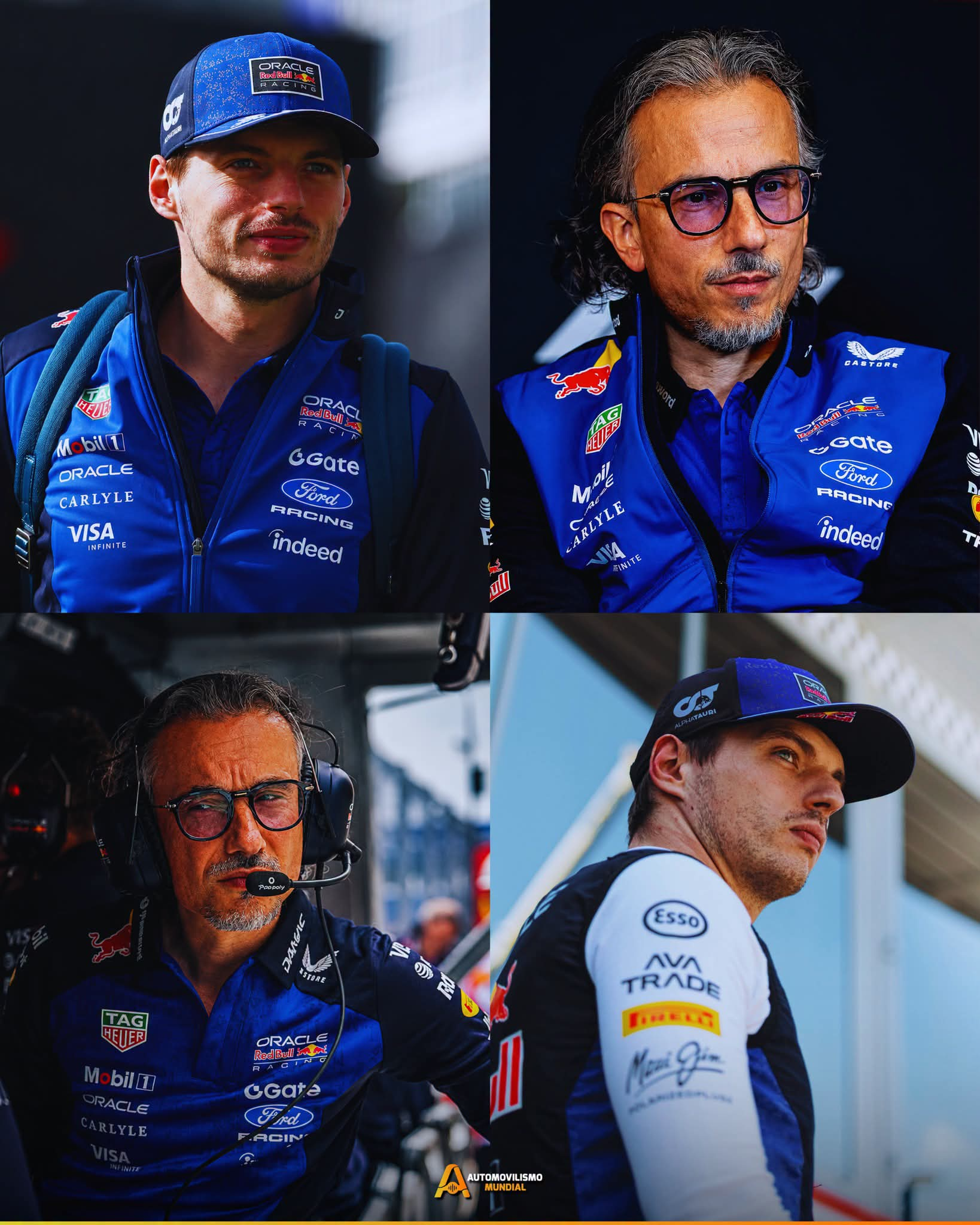
For Red Bull, the ongoing feud keeps old wounds open at a time when the team is navigating life after both Horner and Marko. Laurent Mekies now leads the race team. The organisation has lost some of the maverick identity Horner cultivated. Continued public sparring between the two former pillars does little to project stability.
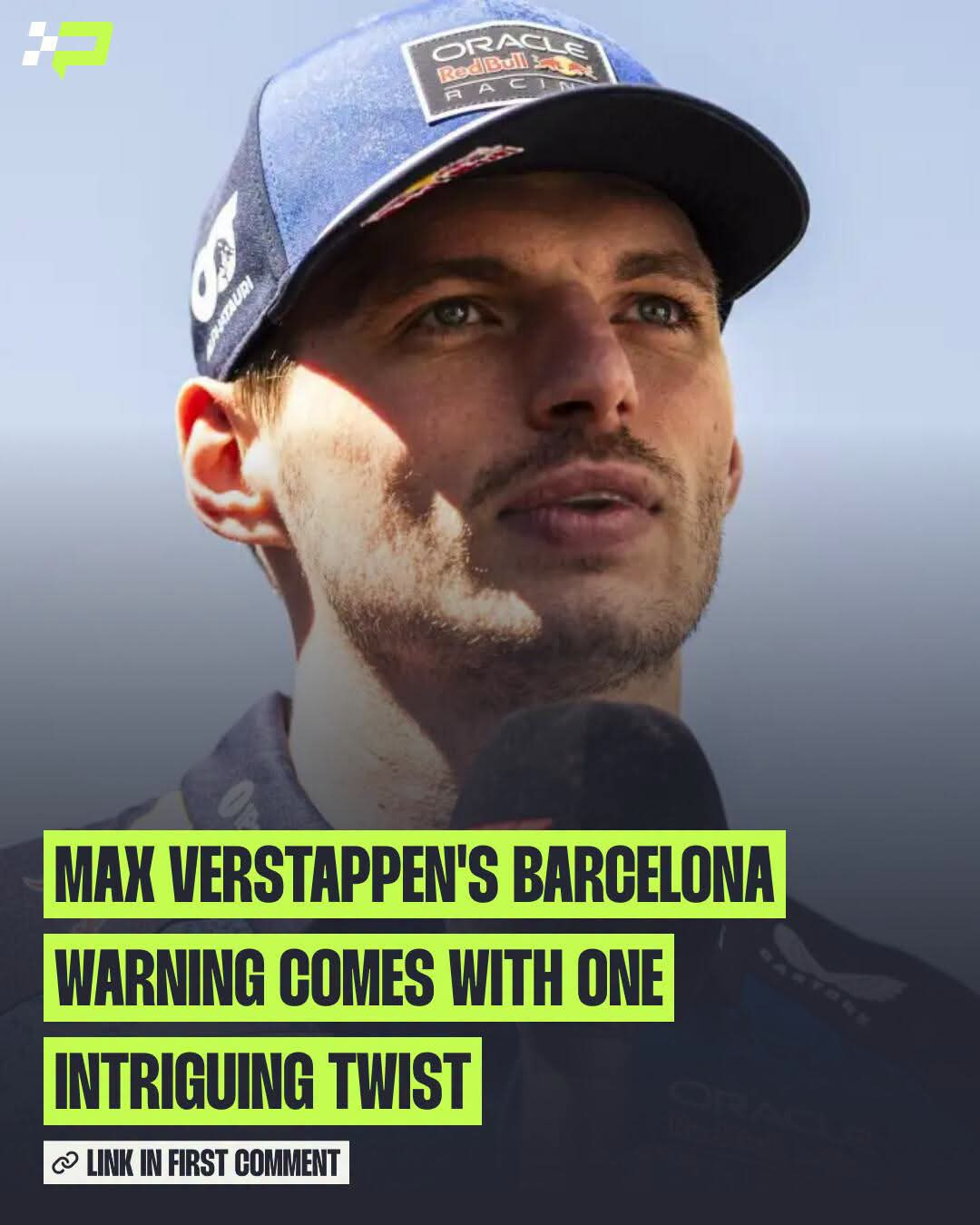
Max Verstappen and the current drivers operate in an environment still shaped by those years of dominance. Prolonged drama from the previous regime risks becoming a distraction rather than a closed chapter. Sponsors and commercial partners prefer forward-looking narratives, not lingering score-settling.
Across the wider sport, the episode highlights how personal relationships and corporate power struggles can overshadow on-track success. Formula 1 has grown into a global entertainment product. Stories of internal warfare still dominate headlines, for better or worse.
UNIQUE INSIGHT: THE DANGER OF REWRITING HISTORY WHILE THE INK IS STILL WET
Successful leaders often struggle with the transition from power. Horner received a substantial payout—reports put the figure in the tens of millions—after his contract was terminated. He has indicated he is in no rush to return unless ownership is involved. That financial security gives him the freedom to speak freely. It also removes some of the usual constraints that keep former executives measured in public.
There is a risk that every new revelation chips away at the collective memory of what Horner and Marko built together. Fans who cheered Red Bull’s dominance may now filter those memories through the current acrimony. Future historians of the sport will have to weigh the trophies against the testimonies of two men who once operated as a formidable unit and now appear unable to share the same version of events.
Schumacher’s critique lands because it comes from someone outside the immediate circle yet familiar with the pressures of elite motorsport. It frames the issue not as right versus wrong on the factual details, but as a question of judgment and timing.
WHAT COMES NEXT FOR HORNER AND THE SPORT
Horner’s book will keep the conversation alive through the end of 2026. Marko has shown little interest in a prolonged public fight, preferring short, dismissive responses. Whether either man softens his stance remains to be seen.
In the paddock, attention will eventually return to the 2026 and 2027 seasons, new regulations, and the next generation of contenders. Red Bull’s ability to move past its internal history will be tested. Horner’s next chapter—whether in another team, ownership, or outside Formula 1 entirely—will determine whether these comments become a footnote or a lasting stain.
For now, the verdict from voices like Ralf Schumacher is clear: success on the track does not automatically grant licence to rewrite the story of how that success was achieved. Horner’s legacy was forged in Milton Keynes over twenty remarkable years. Preserving it may require more restraint than the current public exchanges suggest.