Formula 1 is often described as a sport of milliseconds, but the 2026 Monaco Grand Prix offered a perfect reminder that sometimes the difference between success and punishment can be measured in fractions of a kilometer per hour.
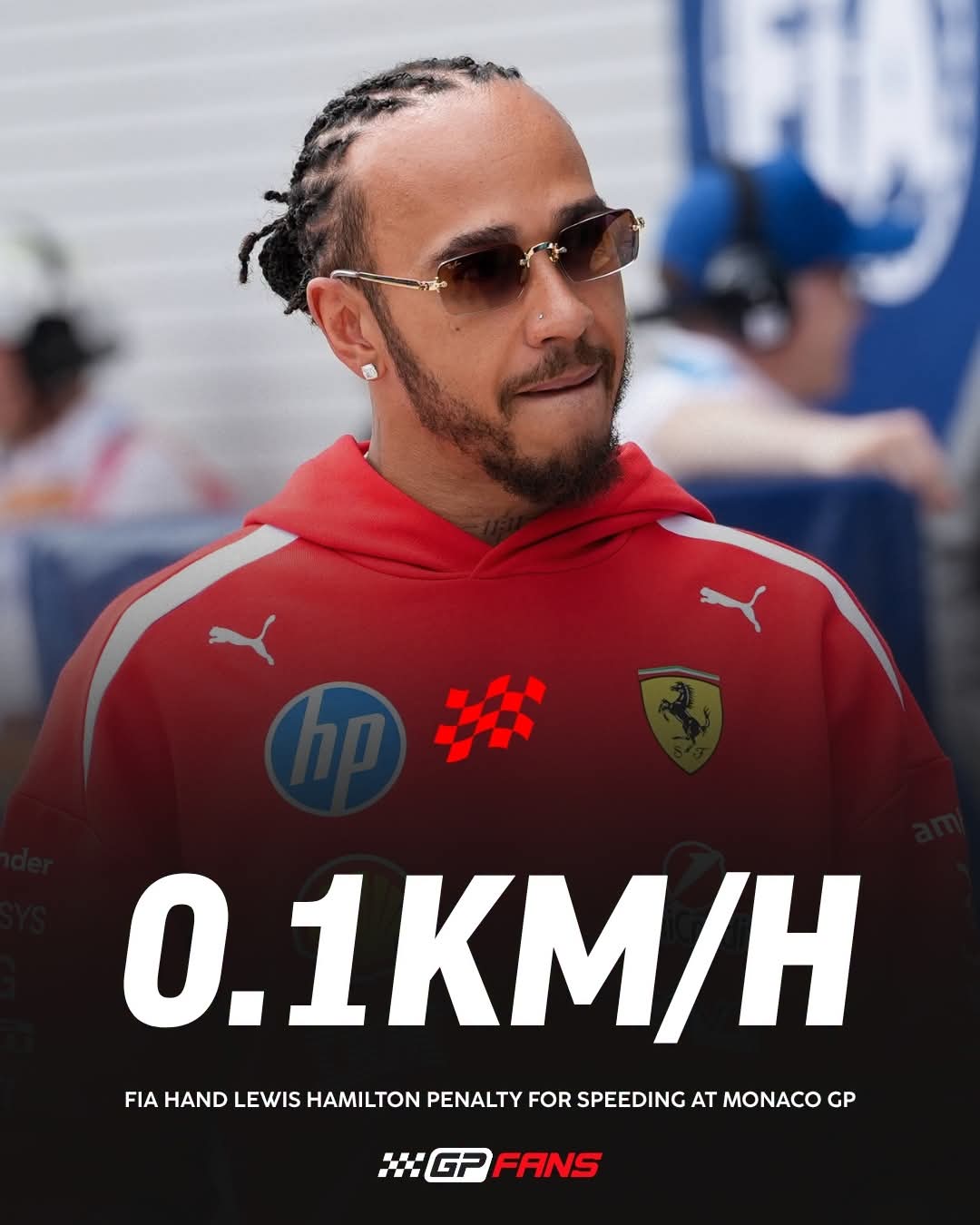
Lewis Hamilton discovered that reality firsthand when he was handed a penalty for exceeding Monaco’s pit-lane speed limit by just 0.1 km/h. While the margin appeared almost insignificant, the FIA’s regulations left little room for interpretation, forcing race stewards to apply the standard sanction.
The incident immediately sparked debate across the paddock and among fans. Was the punishment too harsh for such a minor infringement, or was it simply another example of Formula 1’s commitment to enforcing rules equally regardless of the margin involved?
The answer says a lot about how modern Formula 1 operates.
WHY HAMILTON’S PENALTY BECAME A MAJOR TALKING POINT
At first glance, being 0.1 km/h over the speed limit sounds almost impossible to detect.
For perspective, that difference is smaller than the variation many road cars experience simply due to tire wear, temperature changes, or slight speedometer inaccuracies. Yet Formula 1 operates with an entirely different level of precision.
Every car is monitored through sophisticated electronic systems that track speed with remarkable accuracy. Once a driver exceeds the pit-lane limit, even by the smallest measurable amount, the breach is recorded.
For Hamilton, the timing made the situation even more frustrating.
The Ferrari driver was running near the front of the field and attempting to maximize every strategic opportunity available. Monaco is already one of the hardest circuits on the calendar for overtaking, meaning pit-stop execution becomes even more critical than usual.
A five-second penalty in such circumstances can completely alter race strategy and eliminate any realistic chance of challenging for victory.
THE FIA’S ZERO-TOLERANCE APPROACH
The FIA’s position on pit-lane speeding has remained consistent for years.
Unlike subjective incidents such as racing collisions or track-limit violations, speed-limit breaches are black-and-white matters. Either a driver remains under the limit or exceeds it.
There is no allowance for “close enough.”
This approach exists for a reason. Pit lanes are among the most dangerous areas in motorsport. Mechanics, engineers, media personnel, officials, and drivers operate in a confined environment where even small increases in speed can significantly raise risks.
The FIA therefore treats every infringement equally, regardless of whether the excess is 0.1 km/h or several kilometers per hour.
From a safety perspective, consistency is essential.
MONACO’S PENALTY CHAOS EXPOSED A BIGGER ISSUE
Hamilton was far from the only driver caught out.
Several competitors received similar penalties throughout the Monaco weekend, creating one of the busiest days for race stewards in recent memory.
The unusual number of infractions raised questions about whether teams were struggling with calibration, whether Monaco’s pit lane presented unique challenges, or whether competitors were simply pushing too aggressively in search of every possible advantage.
In a race where track position is everything, teams often instruct drivers to approach pit-lane entry with absolute precision. The goal is to lose as little time as possible while staying legal.
The downside is obvious.
Operating so close to the limit leaves virtually no margin for error.
HOW THE PENALTY IMPACTED HAMILTON’S RACE
Despite the setback, Hamilton still managed to produce one of his strongest performances of the season.
The seven-time world champion recovered effectively and ultimately secured another valuable result for Ferrari during a weekend where the team demonstrated genuine competitiveness.
However, the penalty almost certainly altered the complexion of his race.
Without the sanction, Ferrari’s strategic options would have been more flexible. Hamilton may have been able to apply greater pressure to the leaders, particularly during safety-car periods and race restarts that repeatedly reshaped the order.
While it is impossible to know whether the penalty directly cost him a victory, it unquestionably reduced Ferrari’s tactical freedom during a race where every second mattered.
WHAT THIS REVEALS ABOUT FERRARI’S 2026 PROGRESS
The incident also highlights a broader positive trend for Ferrari.
For much of the early hybrid era, Ferrari frequently found itself battling operational mistakes, questionable strategy calls, and reliability concerns. In 2026, however, the team has shown signs of becoming a more consistent contender.
Hamilton’s ability to remain competitive despite a penalty demonstrates improved race pace and stronger execution across the organization.
That progress will be encouraging for Ferrari supporters, particularly as the championship battle enters a crucial phase.
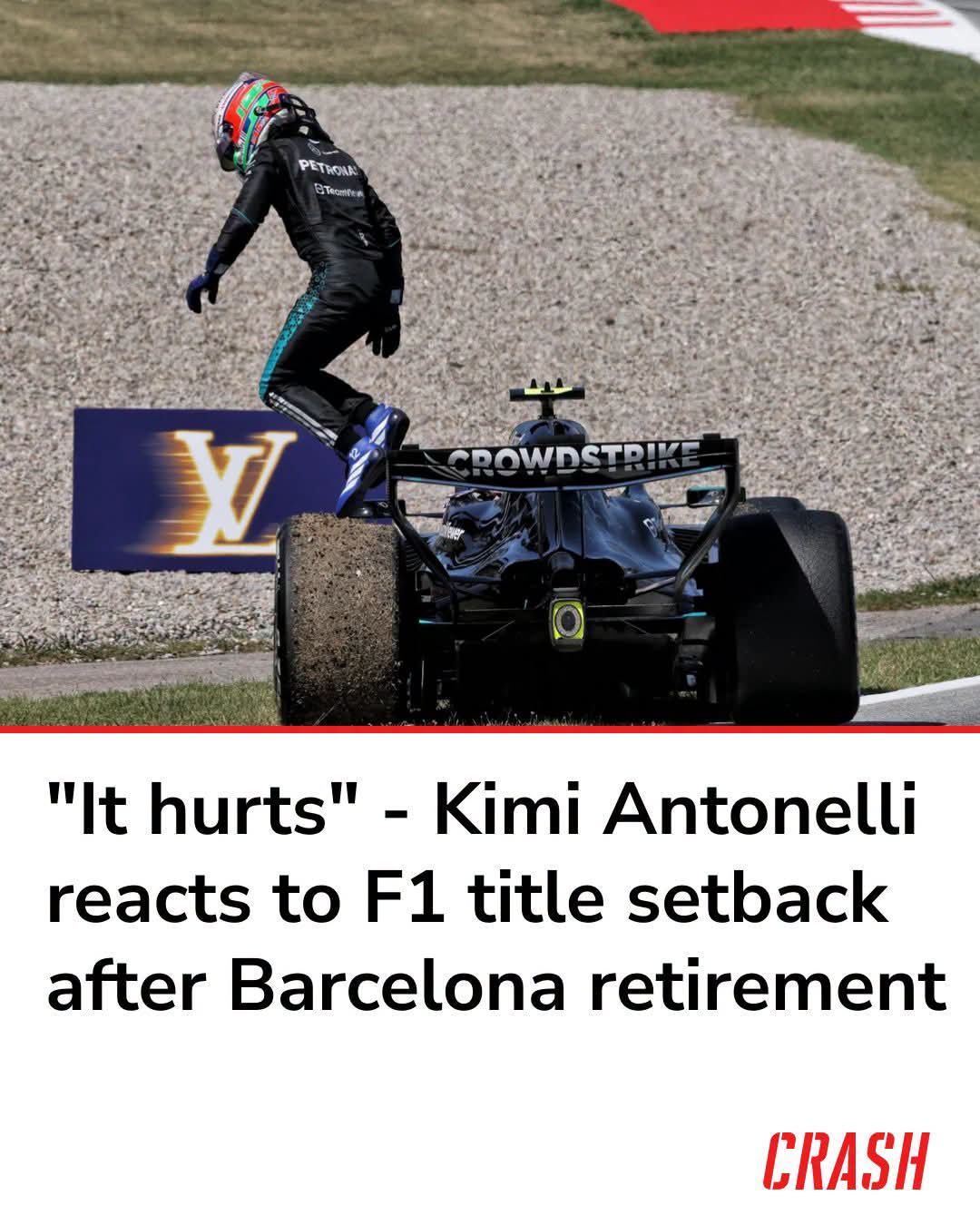
While Mercedes and championship leader Kimi Antonelli continue to set the benchmark, Ferrari appears increasingly capable of challenging for podiums and victories on merit.
WHY CHAMPIONSHIP CONTENDERS CAN’T AFFORD THESE ERRORS
Small mistakes become magnified during title fights.
A five-second penalty in June may seem relatively minor, but championship campaigns are often decided by margins far smaller than that.
Every point matters.
Every position matters.
Every operational error matters.
Hamilton already faces the difficult challenge of chasing a dominant Antonelli, who continues to build momentum with race victories and consistent performances. Closing that gap requires near-perfect execution from both driver and team.
Penalties, however small, make that task significantly harder.
COULD THE RULES EVER CHANGE?
Following incidents like this, some fans inevitably call for tolerance thresholds or warning systems.
However, introducing flexibility would create its own problems.
Where should the line be drawn? Would 0.1 km/h be acceptable? What about 0.2 km/h? Or 0.5 km/h?
Once exceptions begin to appear, consistency disappears.
Formula 1’s current approach may seem harsh, but it removes ambiguity. Every team knows the rules before the race begins and understands the consequences of crossing the line.
For that reason, significant changes appear unlikely.
WHAT THIS MEANS FOR THE REST OF THE SEASON
Hamilton’s Monaco penalty serves as another reminder that Formula 1 championships are won through relentless attention to detail.
The performance gap between teams continues to shrink under the current regulations. As a result, operational excellence is becoming just as important as outright speed.
Mercedes currently holds the advantage thanks to Antonelli’s remarkable form, but Ferrari remains within striking distance if it can eliminate costly mistakes.
Looking ahead to the upcoming races, Hamilton’s experience and Ferrari’s improving competitiveness suggest they will remain a threat throughout the season.
Yet Monaco proved that even a tiny lapse—just 0.1 km/h over a speed limit—can influence the outcome of an entire Grand Prix.
In Formula 1, perfection is not a goal. It is often a necessity.