After the 9/11 attacks, NASCAR’s return to racing came at Dover…NASCAR Returns to Racing at Dover After 9/11
DOVER, Del. — In the aftermath of the September 11, 2001, terrorist attacks, the return of NASCAR racing became more than a sporting event. When drivers, teams and fans gathered at Dover Downs International Speedway on September 23, 2001, the atmosphere reflected a nation still struggling to process an unimaginable tragedy.
The race marked NASCAR’s return to competition after the attacks had brought the sporting world to a standstill. For many Americans, the familiar sounds of engines and the sight of racing once again provided a brief sense of normalcy during one of the most difficult periods in the country’s history.
The events of September 11 had dramatically changed daily life across the United States. Commercial flights were grounded, major sporting events were postponed and communities across the country mourned thousands of lives lost in New York, Washington, D.C., and Pennsylvania.
NASCAR was no exception. Its scheduled racing activities were interrupted as the organization, like other major American sports, paused in response to the national tragedy.
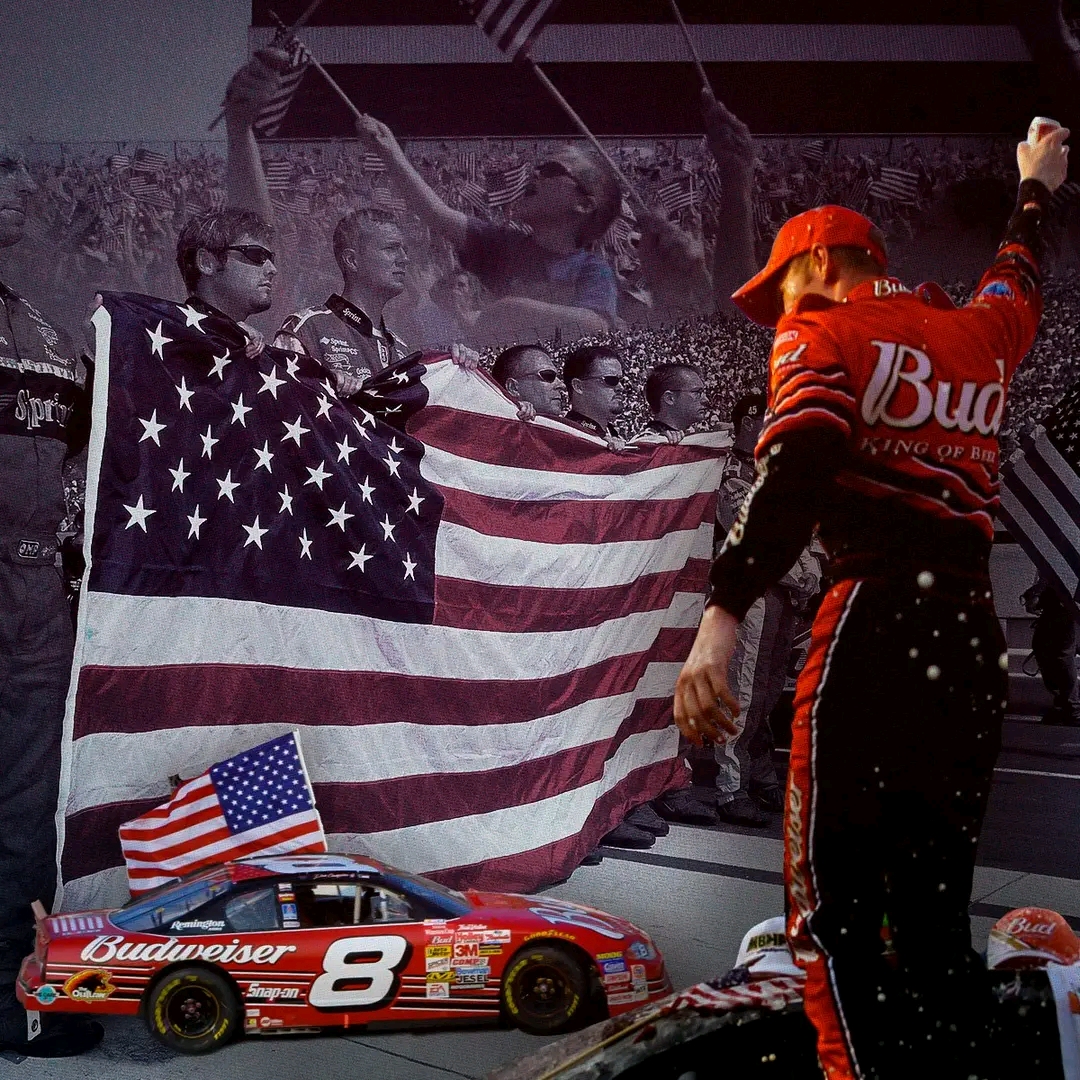
A week and a half later, the series returned to the track at Dover. The September 23 event carried an emotional significance that extended far beyond the championship standings.
Flags were prominently displayed throughout the speedway, while fans and competitors paid tribute to those affected by the attacks. The familiar red, white and blue imagery of American motorsports took on an even deeper meaning as the racing community gathered together.
For drivers, the challenge was also personal. They were being asked to return to the intense environment of NASCAR competition while the country was still grieving. Yet the race offered an opportunity to bring people together through a sport that had long been deeply connected to American communities.
The Dover event became part of a broader period in which sports helped provide Americans with moments of connection and distraction from the continuing uncertainty.
On the track, the competition remained as demanding as ever. Drivers battled for position around Dover’s concrete oval, while teams worked through the usual pressures of strategy, pit stops and mechanical preparation.
But away from the racing action, the significance of the day was unmistakable.
The event demonstrated how sporting traditions could take on new meaning during times of national crisis. For the people in the grandstands and those watching from home, NASCAR’s return represented a small step toward normal life.
Twenty-five years later, the September 23, 2001, race remains an important moment in NASCAR history—not simply because of what happened on the track, but because of what the event represented beyond it.
As the anniversary is revisited in 2026, the story of Dover in 2001 provides an opportunity to remember the victims of 9/11, honor those who responded in the aftermath, and reflect on the role that sport played in helping communities come together.
The engines eventually fell silent that afternoon, but the meaning of th