WNBA TAKES RARE STEP TO RESCIND CLARK’S TECHNICAL FOUL
The WNBA has made headlines after overturning a technical foul previously assessed to Indiana Fever superstar Caitlin Clark during the Fever’s commanding 123-88 victory over the Connecticut Sun. The decision represents one of the league’s most notable officiating reversals this season and immediately reignites conversations surrounding consistency, transparency, and accountability in WNBA officiating.
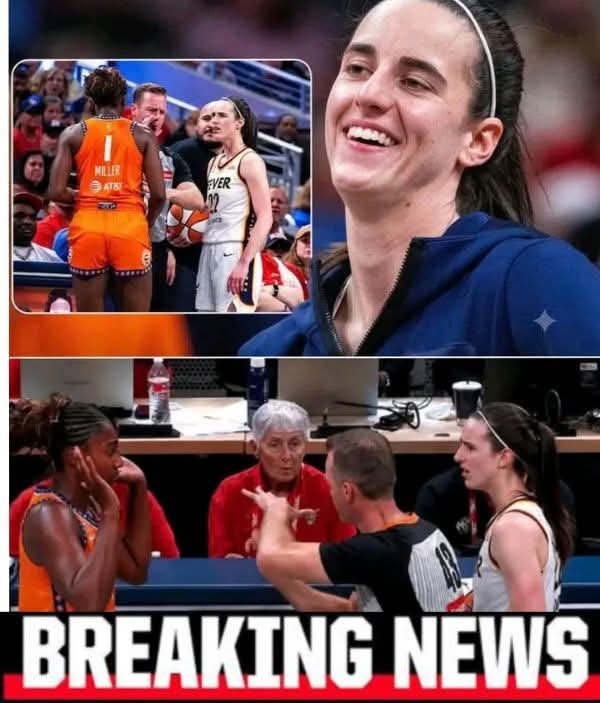
The incident occurred late in the third quarter after Clark and Connecticut guard Saniya Rivers exchanged words following a physical sequence. Officials issued double technical fouls, believing the exchange crossed the line into unsportsmanlike conduct. However, following a league review of broadcast footage, available audio, and postgame information, the WNBA determined Clark’s actions did not meet the threshold required for a technical foul under league guidelines.
With the ruling reversed, Clark’s season total drops from seven technical fouls to six, leaving her two technicals away from the automatic suspension threshold rather than one.
THE DECISION COULD HAVE MAJOR PLAYOFF IMPLICATIONS
For Indiana, the reversal carries far greater significance than simply removing a statistic from Clark’s record. Every technical foul becomes increasingly important as teams approach the most critical stretch of the regular season, particularly when suspension rules can affect playoff positioning.
Clark has become the centerpiece of Indiana’s offense, and losing her for even one game due to technical foul accumulation could dramatically alter the Fever’s postseason ambitions. The league’s decision effectively removes that immediate concern, allowing Indiana to focus entirely on its basketball rather than disciplinary implications.
It also demonstrates that the WNBA is willing to acknowledge officiating mistakes publicly when internal reviews determine an incorrect decision was made. Such transparency, while uncommon in professional sports, may help reinforce confidence that controversial calls are thoroughly examined after games conclude.
OFFICIATING ACCOUNTABILITY TAKES CENTER STAGE
Perhaps the most striking aspect of the announcement is the reported suspension of the officiating crew involved in making the call. League officials reportedly cited a failure to properly apply the technical foul standard during a nationally scrutinized game.
That action sends a clear message that officials are expected to apply league rules consistently regardless of the players involved or the intensity of the moment. While referee evaluations typically remain confidential, disciplinary measures in high-profile situations inevitably attract attention across the basketball world.
The move is also likely intended to reassure players, coaches, and fans that officiating performance is subject to the same level of accountability expected from everyone else participating in the league.
STEPHANIE WHITE BACKS THE LEAGUE’S REVIEW PROCESS
Indiana Fever head coach Stephanie White welcomed the outcome, emphasizing that competitive emotion should not automatically result in punishment when it remains within the rules.
Her comments reflect a growing sentiment throughout professional basketball that officials must distinguish between natural competitive intensity and genuine unsportsmanlike conduct. Basketball has always been an emotional sport, particularly during heated matchups, and players frequently exchange words without crossing disciplinary boundaries.
Clark herself has not publicly addressed the reversal, but the decision is unlikely to change her aggressive, competitive style—one that has quickly become part of her identity since entering the WNBA.
THE WNBA’S BIGGER CHALLENGE MOVING FORWARD
The controversy extends beyond one player or one technical foul. Instead, it highlights an ongoing challenge facing the WNBA as its popularity continues to surge.
With larger television audiences, greater media attention, and unprecedented scrutiny surrounding stars like Caitlin Clark, every officiating decision receives immediate national attention. That reality places increased pressure on officials while simultaneously raising expectations for consistency across every game.
The league’s willingness to reverse the decision may ultimately be viewed as a positive step, but it also raises questions about how technical fouls are interpreted from game to game. Coaches and players will undoubtedly seek greater clarity moving forward to ensure similar situations receive consistent treatment.
As the Fever continue their playoff push, the focus now shifts back to basketball. However, this incident will likely remain part of the broader discussion about officiating standards throughout the remainder of the season, with many expecting the WNBA to continue refining how emotional interactions are judged in high-pressure moments.