The WNBA’s explosive growth has brought record television ratings, sold-out arenas, and unprecedented national attention. It has also created a new reality: every controversial whistle—or missed whistle—can dominate the sports news cycle within minutes.
That was once again evident following the highly discussed on-court sequence involving Phoenix Mercury forward Alyssa Thomas and Indiana Fever star Caitlin Clark. While the league ultimately suspended Thomas after reviewing the play, the broader discussion has shifted toward officiating consistency, player safety, and the increasing pressure facing WNBA officials during one of the league’s most important periods of growth.
Contrary to rumors circulating online, there has been no official announcement from the WNBA that the officiating crew from the game was suspended. The league’s confirmed disciplinary action involved Thomas following its postgame review of the play.
THE PLAY THAT BECAME A LEAGUE-WIDE TALKING POINT
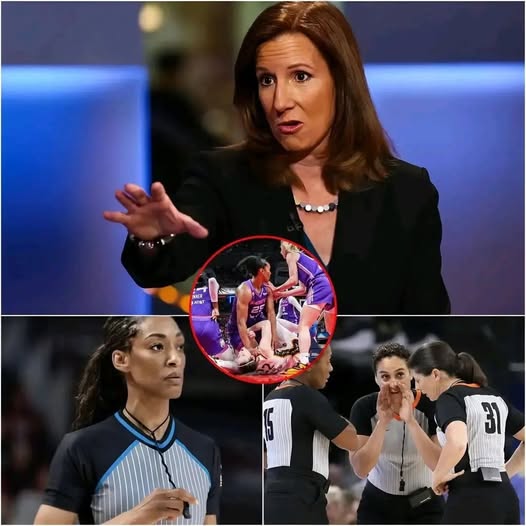
The controversy originated during a loose-ball sequence between Clark and Thomas.
Officials allowed play to continue without calling a foul in real time. However, after reviewing the incident, the WNBA upgraded the play to a Flagrant 2 foul and issued Thomas a one-game suspension, concluding that the contact warranted additional discipline.
That decision immediately shifted attention from the physical play itself to the league’s officiating process.
Many observers questioned why the contact was not identified during the game, while others argued that basketball officials must make split-second decisions from imperfect angles and that postgame review exists specifically to correct missed calls.
WHY OFFICIATING HAS BECOME THE BIGGER STORY
Every professional league experiences disputed calls.
What makes this situation different is the level of attention surrounding today’s WNBA.
With millions of new viewers following the league, controversial moments now spread across television, podcasts, social media platforms, and sports debate shows almost instantly. Slow-motion replays, multiple camera angles, and frame-by-frame analysis often create expectations that are impossible for officials to match during live action.
That doesn’t excuse mistakes, but it does illustrate why officiating has become one of the most discussed aspects of the modern game.
As the league expands, consistency in officiating may become just as important as the quality of play itself.
CAITLIN CLARK’S IMPACT HAS CHANGED THE SPOTLIGHT
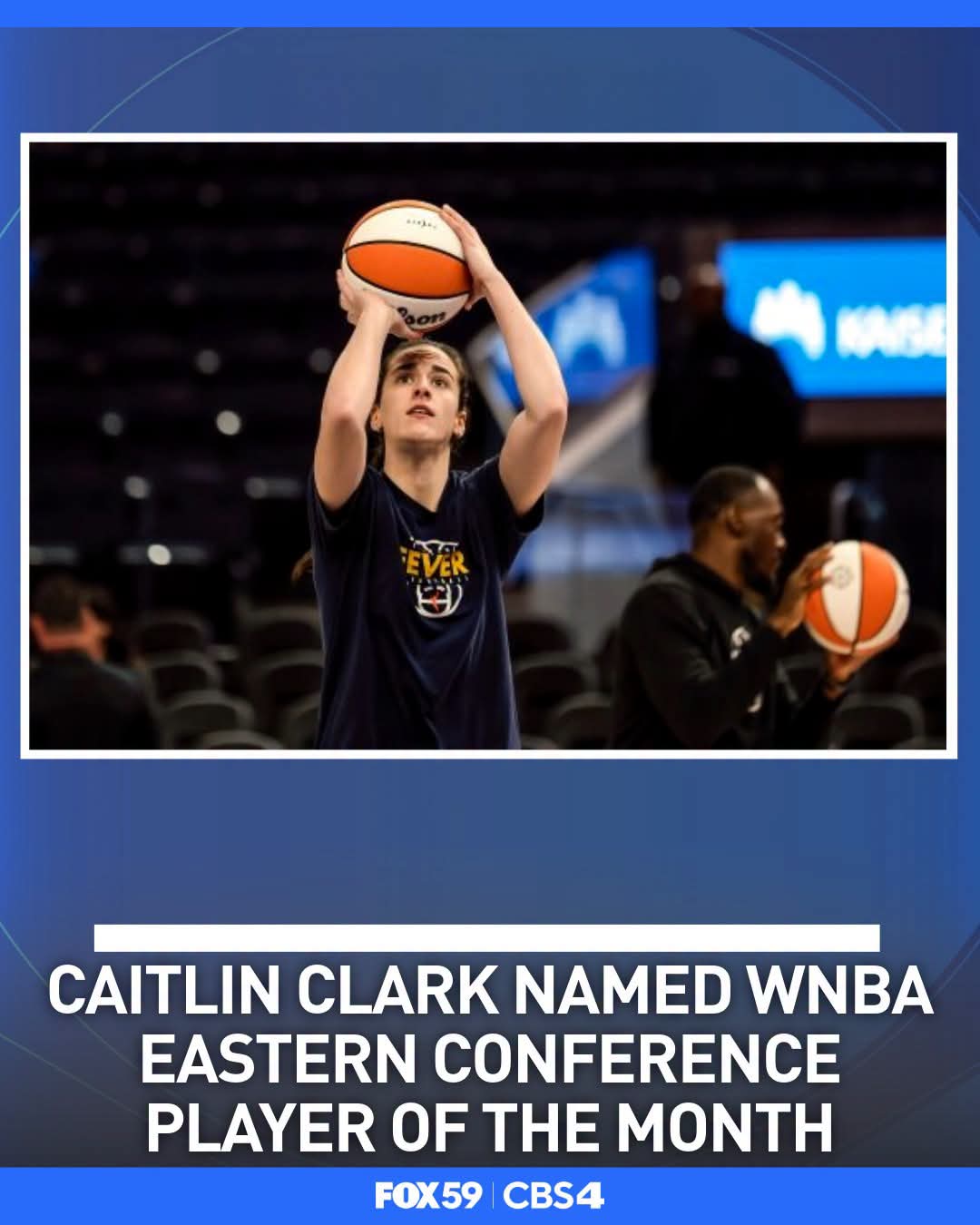
Few athletes have influenced a professional league as dramatically as Caitlin Clark.
Her arrival has fueled record attendance, increased television audiences, expanded sponsorship opportunities, and introduced countless new fans to the WNBA.
That success has elevated every Fever game into a major national event.
As a result, virtually every physical interaction involving Clark receives extraordinary attention. Defensive plays that once might have generated only local discussion now become national headlines.
This level of visibility benefits the league, but it also increases expectations for referees, who know every decision will be analyzed long after the final buzzer.
THE CHALLENGE OF BALANCING PHYSICAL PLAY AND PLAYER SAFETY
Professional basketball has always rewarded physical defense.
Elite offensive players naturally draw aggressive defenders determined to disrupt their rhythm, deny space, and make every possession difficult.
Clark has experienced that reality throughout her professional career.
The challenge for officials is determining where legitimate defensive intensity ends and unnecessary or dangerous contact begins.
That balance is rarely simple, especially in fast-paced situations involving multiple players fighting for possession.
Maintaining that balance consistently remains one of the league’s greatest officiating challenges.
SOCIAL MEDIA HAS AMPLIFIED EVERY CONTROVERSY
Another lesson from this incident is how dramatically social media has changed sports coverage.
Within minutes of the play, highlight clips circulated across multiple platforms, generating millions of views and countless opinions.
Former officials offered rule interpretations. Current and former players weighed in with differing perspectives. Fans dissected every angle in search of evidence supporting their viewpoint.
While that engagement reflects growing interest in the WNBA, it also creates enormous pressure on everyone involved—from players and coaches to officials and league executives.
WHY THE LEAGUE’S RESPONSE MATTERS
The WNBA’s decision to review the play demonstrates its willingness to address incidents after games conclude.
Going forward, the league will likely continue evaluating whether additional officiating education, replay procedures, or communication can improve consistency.
Transparency may also become increasingly valuable.
When fans understand why certain disciplinary decisions are made, confidence in the league’s processes generally improves—even if every decision is not universally accepted.
As audiences continue to grow, maintaining trust in officiating will remain essential.
LOOKING AHEAD
The debate surrounding the Clark-Thomas incident will eventually fade, but the issues it raised are unlikely to disappear.
Every major professional sports league faces difficult questions about officiating, player safety, and consistency. The WNBA is no different. The difference now is the size of the audience watching every game.
With more national broadcasts, greater media coverage, and stronger fan engagement than ever before, every controversial decision carries greater significance.
The league’s ability to balance physical competition with fair officiating will play an important role in sustaining its remarkable momentum.
THE BOTTOM LINE
The discussion surrounding Caitlin Clark, Alyssa Thomas, and the officiating crew is ultimately about more than one missed call.
It reflects the expectations that come with a league entering a new era of popularity. Fans expect accountability, players expect consistency, coaches expect fairness, and officials are asked to make perfect decisions in real time under enormous pressure.
While debate over individual plays is inevitable, the WNBA’s continued success will depend on maintaining confidence in its officiating, protecting player safety, and ensuring that every game is decided by competition rather than controversy.