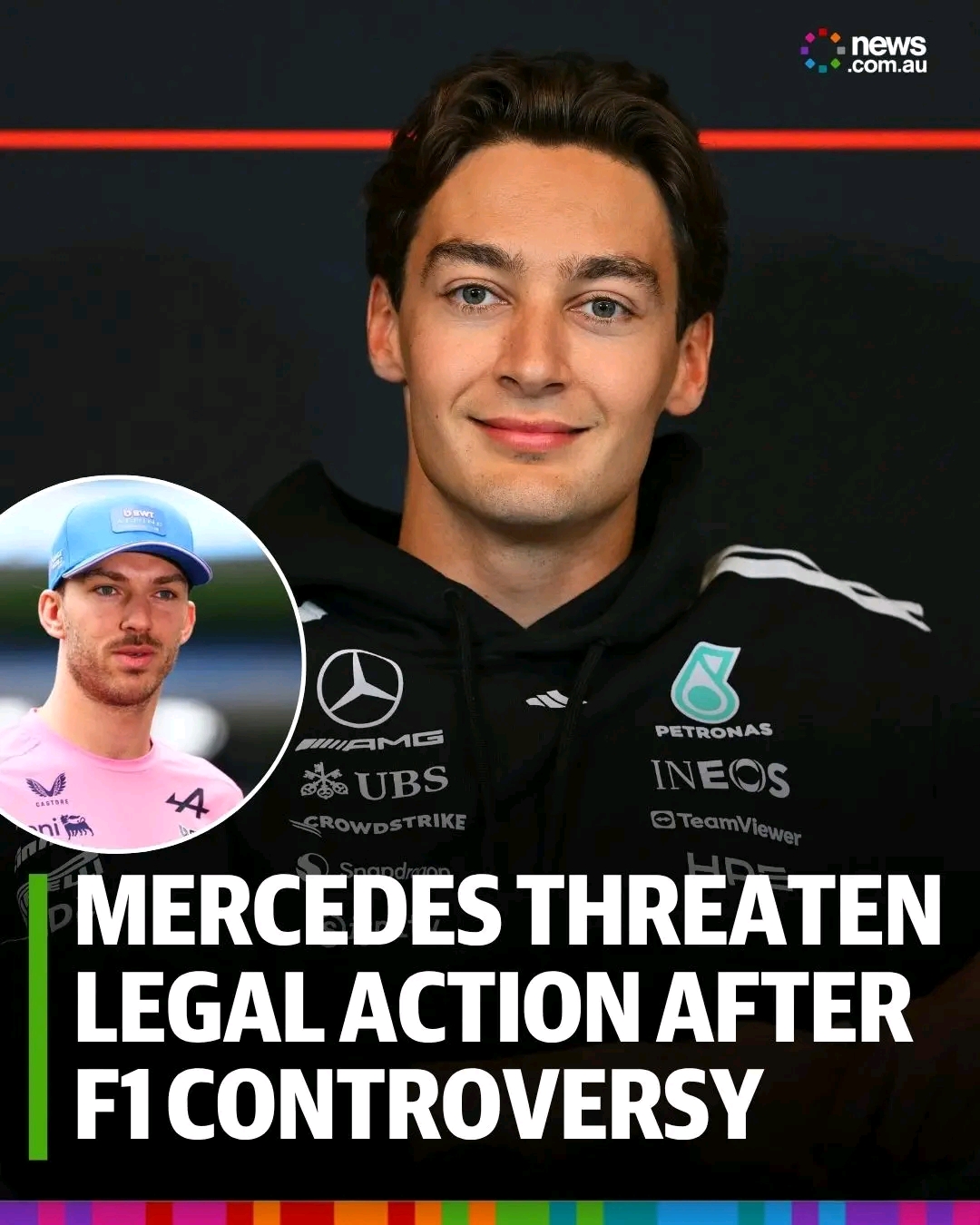
Monaco Grand Prix has taken yet another dramatic turn, with Mercedes now reportedly considering legal action following a controversial stewards’ decision that reshaped the final classification. The situation centres around Pierre Gasly’s reinstated podium and the knock-on effect it had on George Russell’s race result, creating one of the most disputed outcomes of the 2026 season so far.
What initially looked like a routine post-race penalty review has now escalated into a broader governance debate about consistency, timing errors, and how far teams can challenge FIA decisions.
HOW THE MONACO GP CONTROVERSY UNFOLDED
The controversy began when Pierre Gasly crossed the line in third place before being demoted to seventh due to two separate five-second penalties. However, days later, stewards reversed part of that ruling after acknowledging a timing-related error involving Gasly’s pit lane procedure.
That correction reinstated Gasly to third place, reshuffling the final podium positions and triggering frustration across rival teams.
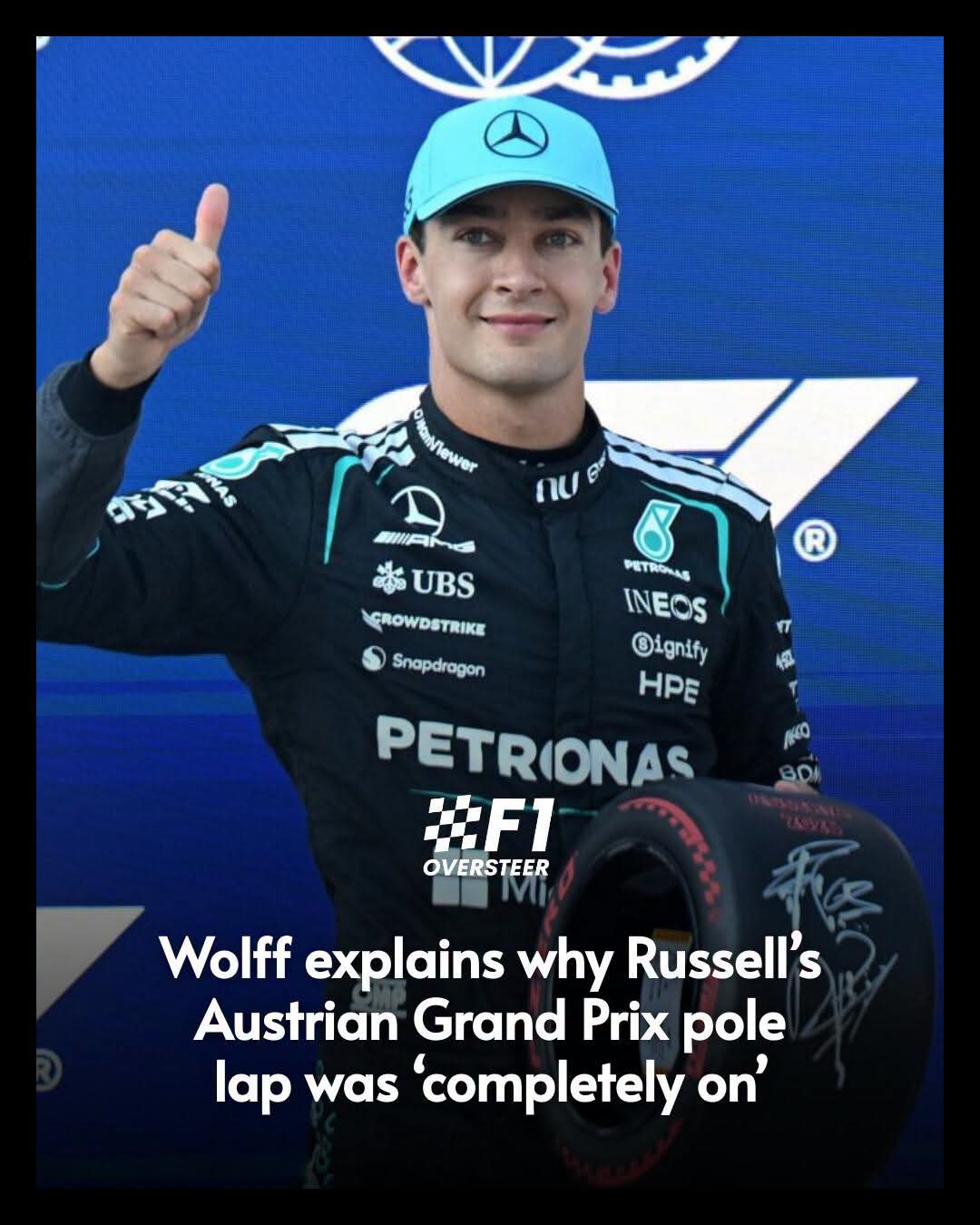
At the same time, George Russell’s race was heavily impacted by a penalty situation of his own. A combination of pit lane speeding and procedural confusion resulted in a drive-through penalty that dropped him from a potential podium finish to outside the points.
WHY MERCEDES ARE CONSIDERING LEGAL ACTION
Mercedes team principal Toto Wolff has confirmed the team is exploring legal options, not necessarily to overturn Gasly’s reinstated result, but to seek clarity and potential remedies regarding Russell’s race outcome.
The key issue for Mercedes is consistency. They argue that:
Similar incidents were treated differently
Timing and procedural clarity were not properly enforced
The final classification does not reflect on-track performance
While Wolff stopped short of directly attacking the FIA’s integrity, his comments suggest growing frustration with how quickly decisions are being made and later revised.
Importantly, Mercedes are not alone in questioning the situation, with reports suggesting other teams, including Red Bull, are also monitoring developments closely.
THE GASLY DECISION AND ITS RIPPLE EFFECT
Pierre Gasly’s reinstated podium has become the focal point of the controversy. While Alpine successfully challenged the original penalties, the correction exposed deeper concerns about how race control and stewards communicate decisions during chaotic race conditions.
In modern Formula 1, where margins are measured in milliseconds, even small procedural errors can have massive championship implications. Gasly’s case highlights how a single correction can completely alter the podium picture and influence team strategies moving forward.
For Mercedes, the issue is not necessarily Gasly himself, but the inconsistency in how penalties and corrections are applied across different incidents.
GEORGE RUSSELL’S FRUSTRATION AND MERCEDES’ ARGUMENT
George Russell’s Monaco weekend has become one of the clearest examples of how costly procedural confusion can be. A drive-through penalty, combined with timing mismanagement, effectively erased what could have been a strong podium result.
Mercedes argue that the sporting outcome should not be decided by administrative uncertainty. Instead, they believe clearer enforcement protocols are needed to prevent similar situations in the future.
From a championship perspective, these lost points could prove significant in a tightly contested season where every podium finish matters.
IMPACT ON THE F1 CHAMPIONSHIP BATTLE
While the Monaco controversy may not directly decide the title fight, it adds pressure to an already intense championship landscape.
For teams like Mercedes, Red Bull, and Ferrari, consistency in officiating is as important as car performance. When results are revised after the fact, it creates uncertainty not just for standings, but also for race strategy decisions in future events.
This could influence how teams approach:
Pit lane risk management
Penalty compliance strategies
Communication with race control
Appeals and review processes
In a season where multiple teams are closely matched, administrative clarity becomes almost as valuable as aerodynamic upgrades.
WHAT THIS MEANS FOR FIA GOVERNANCE
The situation places additional scrutiny on the FIA’s stewarding system. Formula 1 has long struggled with balancing human decision-making and automated systems, especially in high-pressure environments like Monaco.
Calls for reform are likely to grow louder, particularly around:
Real-time penalty accuracy
Communication transparency with teams
Post-race correction procedures
Standardisation of stewarding decisions
If legal action progresses or formal appeals increase, it could force the FIA to reconsider how race results are finalised.
WHAT HAPPENS NEXT
Mercedes are expected to continue discussions internally before deciding whether to escalate the matter formally. While overturning Gasly’s result appears unlikely, any legal or procedural review could still lead to changes in how similar incidents are handled in the future.
For now, the Monaco GP fallout remains unresolved in the court of public opinion and within the paddock itself.
One thing is clear: this is no longer just about a single podium finish. It has become a wider debate about fairness, consistency, and the credibility of Formula 1’s decision-making system.